What is a rough terrain scissor lift? −
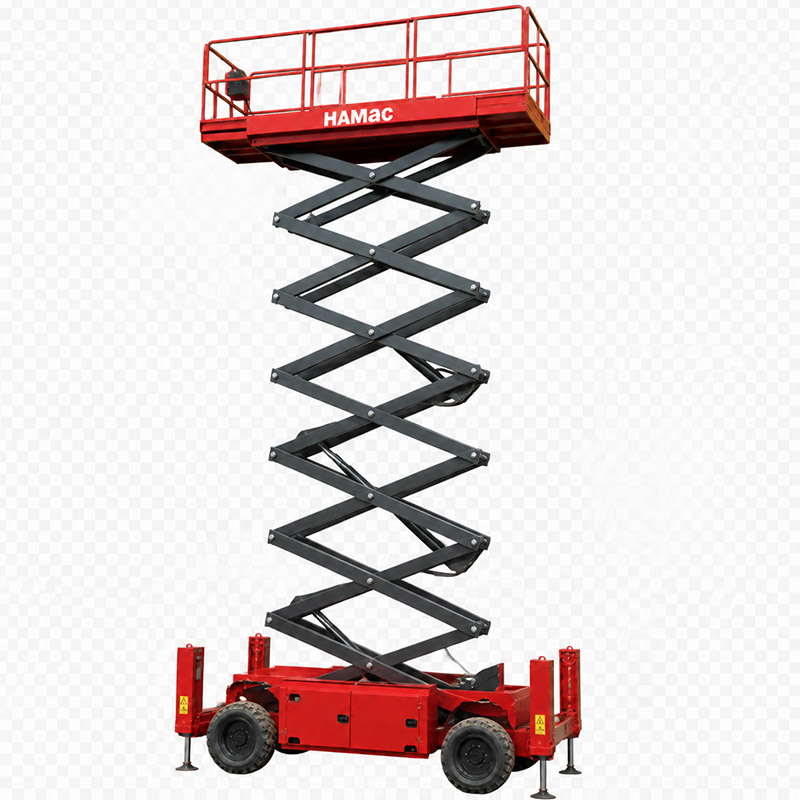
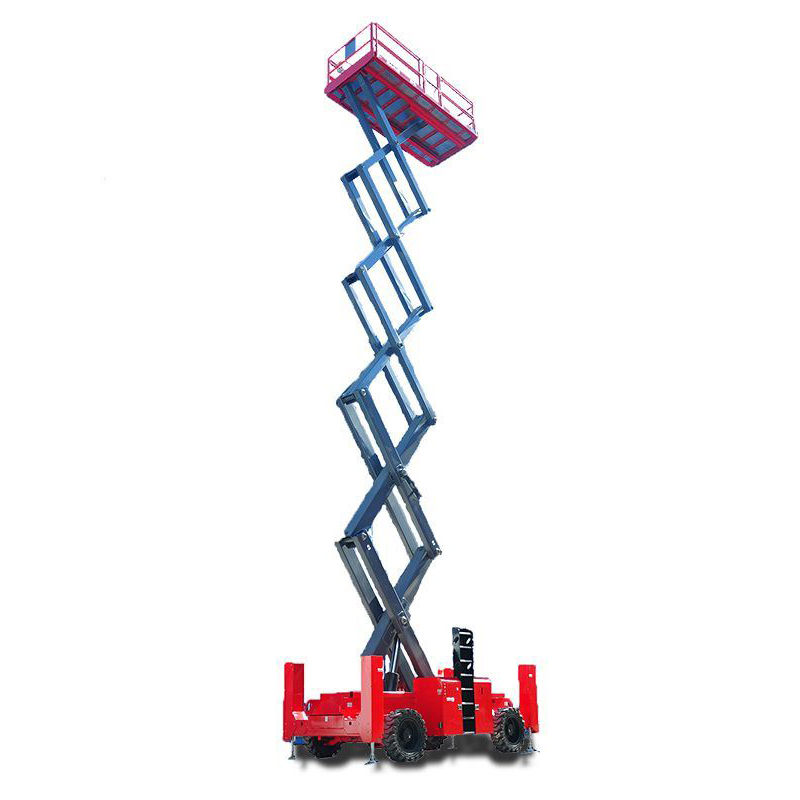
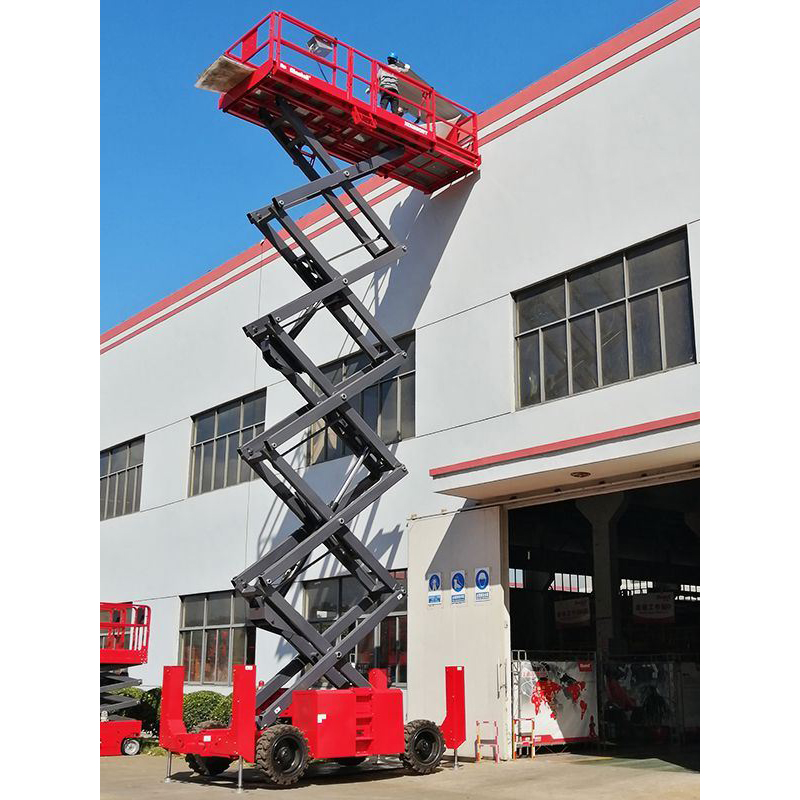
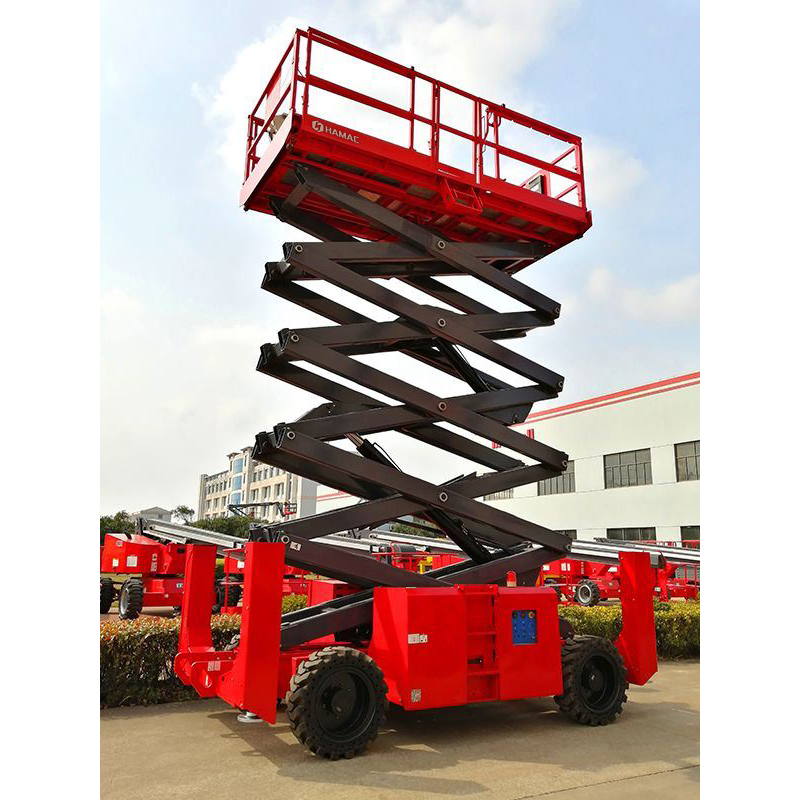
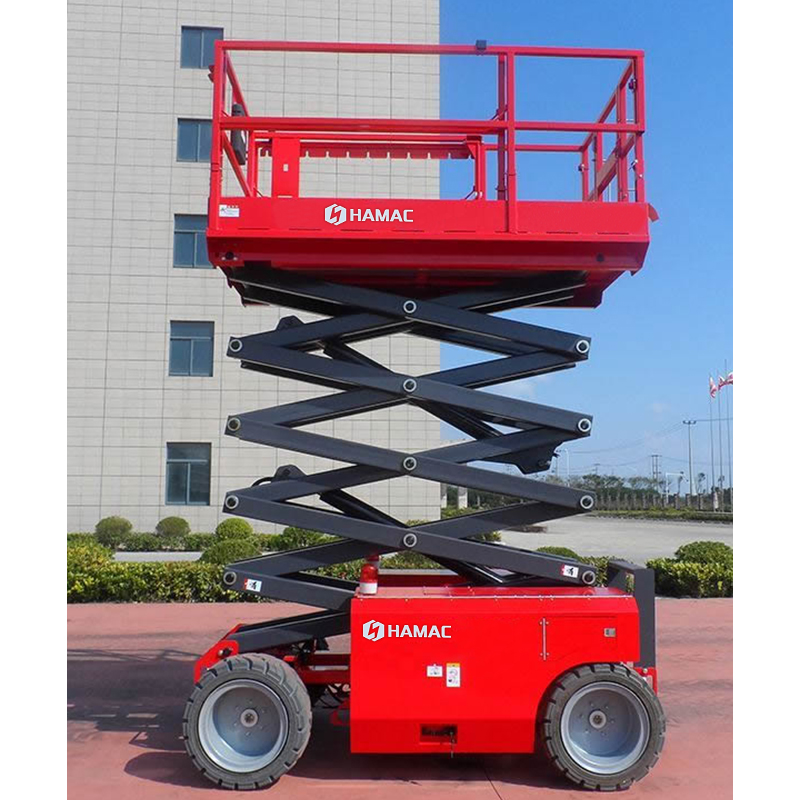
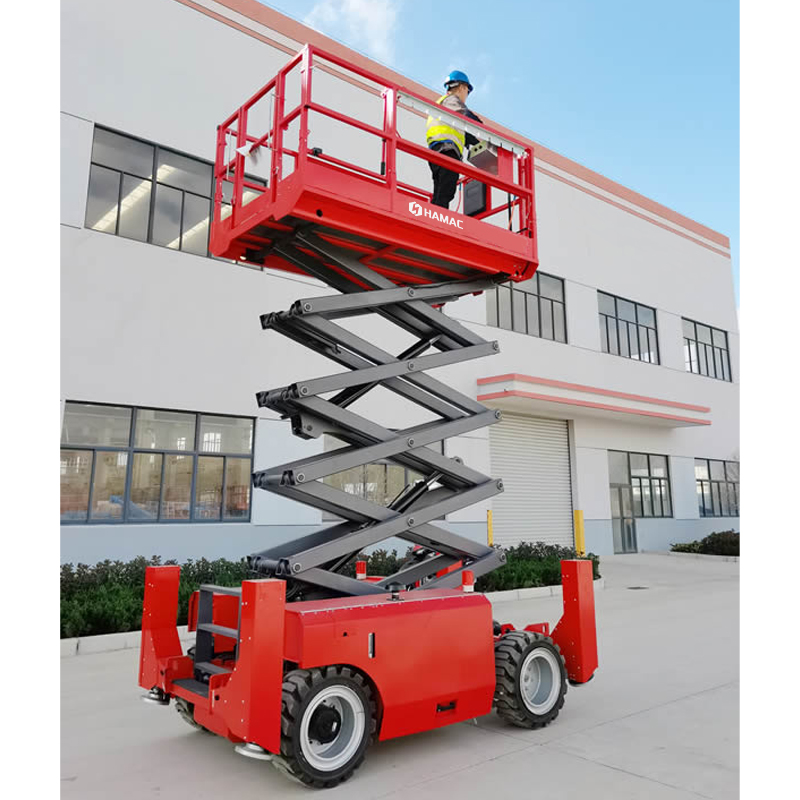
A rough terrain scissor lift is a self-propelled mobile elevating work platform designed for safe vertical access on outdoor construction sites and uneven ground. HAMAC RTSL rough terrain scissor lifts combine large work platforms, rough-terrain tires, strong gradeability, emergency safety systems, and electric or diesel power options. They are widely used for construction, steel erection, façade installation, industrial maintenance, infrastructure, and equipment rental applications.
What is the difference between an electric and a diesel rough terrain scissor lift? +
An electric rough terrain scissor lift, such as RTSL100E to RTSL140E, uses a 48 V battery system for low-noise and zero local-emission operation in suitable indoor-outdoor or environmentally sensitive workplaces. A diesel rough terrain scissor lift, such as RTSL100D to RTSL180HD, provides stronger outdoor mobility through diesel engines, 4-wheel drive, larger tires, and higher gradeability. The right choice depends on your site surface, ventilation conditions, emission requirements, required working height, and platform load.
Which HAMAC RTSL model is suitable for a 10 m, 12 m, 14 m, 15 m, or 18 m working height? +
HAMAC offers RTSL100E or RTSL100D for 10 m working height, RTSL120E, RTSL120D, or RTSL120HD for 12 m, RTSL140E or RTSL140D for 14 m, RTSL150HD for 15 m, and RTSL180HD for 18 m aerial work. For a suitable rough terrain scissor lift quotation, confirm the required platform height, working height, number of operators, total tool and material weight, ground condition, and whether electric or diesel power is preferred.
|
Model Group |
Working Height |
Power Type |
Drive |
Max. Platform Capacity |
Best-Fit Application |
|
RTSL100E–RTSL140E |
10 m–14 m |
48 V Battery Electric |
2-Wheel Drive |
567 kg |
Low-noise and low-emission indoor-outdoor access work |
|
RTSL100D–RTSL140D |
10 m–14 m |
Diesel |
4-Wheel Drive |
567 kg |
Outdoor construction and uneven job sites |
|
RTSL120HD–RTSL180HD |
12 m–18 m |
Yanmar Diesel |
4-Wheel Drive |
Up to 1,000 kg |
Heavy-duty, large-platform, multi-operator work |
Can a rough terrain scissor lift drive on uneven ground? +
Rough terrain scissor lifts are designed for firm outdoor surfaces with uneven site conditions, but they must always be operated within the limits stated in the operator’s manual. HAMAC diesel RTSL D and RTSL HD models use 4-wheel drive, solid rough-terrain tires, and gradeability from 40% to 45%, depending on the model. Before driving, check soil stability, potholes, slopes, trenches, debris, overhead hazards, and the machine’s permitted slope rating.
What does 4-wheel drive mean on a rough terrain scissor lift? +
A 4-wheel-drive scissor lift delivers driving force through all four wheels, helping the machine maintain traction on loose gravel, compacted soil, uneven construction access roads, and other demanding surfaces. HAMAC RTSL100D, RTSL120D, RTSL140D, RTSL120HD, RTSL150HD, and RTSL180HD use 4-wheel drive for outdoor work. This configuration is particularly suitable for contractors and rental fleets serving construction, industrial, energy, mining, and infrastructure projects.
How much weight can a HAMAC rough terrain scissor lift carry? +
Platform capacity varies by model and extension configuration. The compact RTSL E and RTSL D models provide rated lifting capacities from 345 kg to 567 kg. The heavy-duty RTSL120HD can carry up to 1,000 kg with a single extension and 900 kg with double extension, while RTSL150HD and RTSL180HD provide up to 680 kg with single extension and 570 kg with double extension. Always include the combined weight of operators, tools, cables, materials, and accessories when selecting a high-capacity scissor lift.
Why choose a large platform scissor lift with double extension decks? +
A large platform rough terrain scissor lift with double extension decks provides more space for workers, installation materials, tools, and equipment. The RTSL HD series has a 3.90 m × 1.90 m main platform that can reach 5.10 m with a single extension and 6.30 m with double extension. This reduces machine repositioning during façade work, steel installation, pipe fitting, electrical installation, roofing, and industrial maintenance projects.
Can a rough terrain scissor lift be driven while the platform is raised? +
Some HAMAC RTSL models are designed for elevated travel at controlled low speed when site conditions and operating limits allow. The RTSL E and RTSL D models list a raised travel speed of 0.8 km/h, while the RTSL HD models list 1.0 km/h. Maximum drive height differs by model: RTSL120HD can drive at full height, while RTSL150HD and RTSL180HD list a maximum drive height of 9.6 m. Operators must follow the manual, use level and firm ground, and observe all tilt alarm and load restrictions.
What gradeability is required for a construction site scissor lift? +
Gradeability is the maximum slope a scissor lift can climb under specified conditions, usually while the platform is stowed. HAMAC RTSL E models provide 30% to 35% gradeability, RTSL D diesel models provide 40%, and RTSL HD heavy-duty models provide up to 45%. A higher gradeability rating is useful for sloped access roads and uneven project sites, but it does not permit elevated operation on slopes. Always refer to the operator’s manual and applicable local safety rules.
Are hydraulic outriggers available for rough terrain scissor lifts? +
Yes. Automatic leveling hydraulic outriggers are available as an option on selected HAMAC RTSL models. On the RTSL D series, the listed outrigger leveling ability is up to 9° front-to-back and 13° side-to-side; the RTSL HD series lists up to 7° front-to-back and 11° side-to-side. Outriggers should be used only according to the manufacturer’s operating instructions, on ground that can safely support the loads imposed by the machine.
What safety features are included on HAMAC RTSL rough terrain scissor lifts? +
HAMAC RTSL rough terrain aerial work platforms are equipped with foldable guardrails, proportional controls, a diagnostic system, tilt level sensor with audible alarm, emergency pump, emergency lowering function, lowering alarm, horn, hour meter, safety brackets, solid rough-terrain tires, dual flashing beacons, and AC wiring to the platform. Selected models can also be supplied with overload sensors, airline-to-platform connections, automatic leveling outriggers, non-marking rough tires, DC power supply, and cold-start components.
What happens if power is lost while the scissor lift platform is elevated? +
The RTSL series includes emergency lowering equipment designed to help lower the platform in accordance with the operating procedure if normal power is unavailable. The heavy-duty RTSL HD series also lists emergency towing capability for moving the machine when necessary. These functions must only be used by trained personnel following the manufacturer’s instructions; emergency systems are not a replacement for daily inspection, preventive maintenance, or proper site supervision.
Can a rough terrain scissor lift be used indoors? +
Electric rough terrain scissor lifts are generally the preferred choice for suitable indoor projects because they provide zero local exhaust emissions and lower operating noise. Diesel scissor lifts may be used only where ventilation, local regulations, and site conditions permit. For indoor factory expansion, warehouse construction, logistics facilities, exhibition halls, or enclosed industrial projects, customers should consider emission requirements, floor bearing capacity, aisle dimensions, and the required working height before selecting an electric or diesel aerial work platform.
What applications are suitable for a 12 m to 18 m rough terrain scissor lift? +
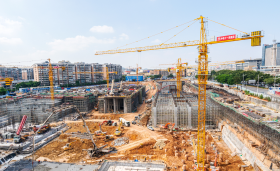
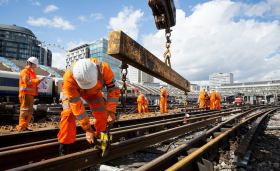
A 12 m to 18 m rough terrain scissor lift is suitable for high-level outdoor work requiring a stable, spacious platform. Typical applications include building construction, curtain wall and façade installation, roofing, steel structure assembly, bridge maintenance, shipyard work, energy projects, mining facilities, airport maintenance, industrial plant shutdowns, and large-scale mechanical or electrical installation. The RTSL HD series is particularly suitable where several workers and heavier materials must be raised together.
How do I choose the right rough terrain scissor lift for a rental fleet or construction project? +
Select a rough terrain scissor lift by comparing required working height, total platform load, number of operators, platform length, extension-deck requirement, power preference, ground condition, slope, transport dimensions, and destination-market requirements. Choose RTSL E for suitable low-emission work, RTSL D for 10 m to 14 m diesel 4WD access, and RTSL HD for 12 m to 18 m high-capacity work with large platforms. HAMAC can support global distributors, rental companies, contractors, and end users with model selection, export packing, technical documents, spare-parts planning, and after-sales communication.