
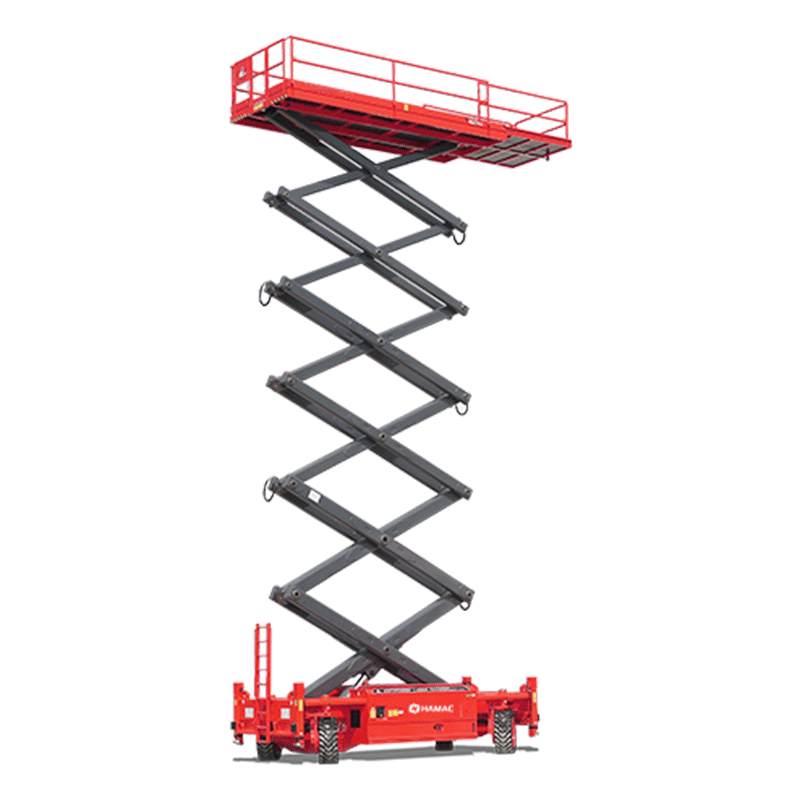
Scissor Lift
Aerial Work Platforms
Max. Working Height:6–32m
S.W.L (Safe Working Load):230-1000kg
Consult now






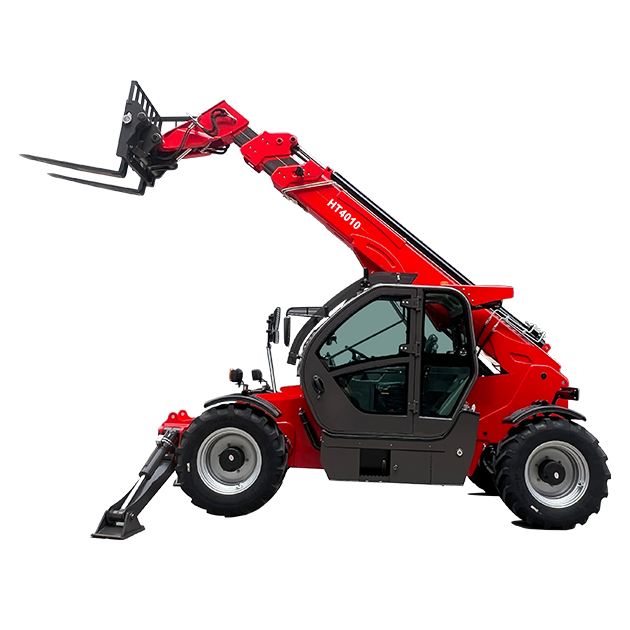
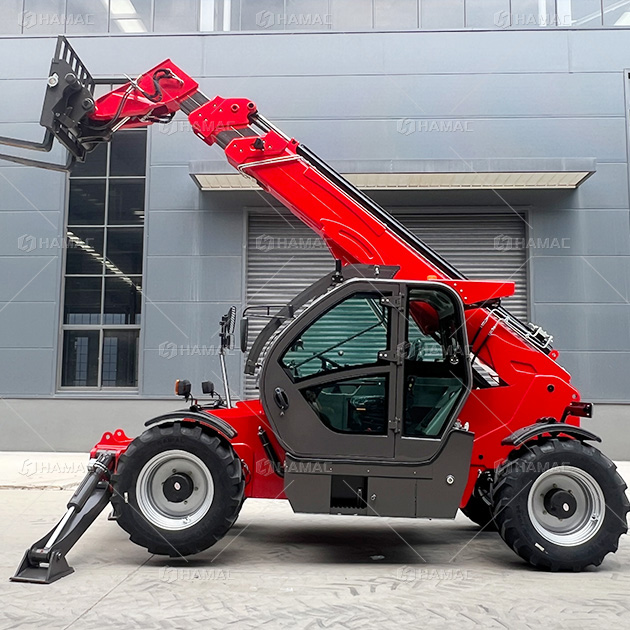
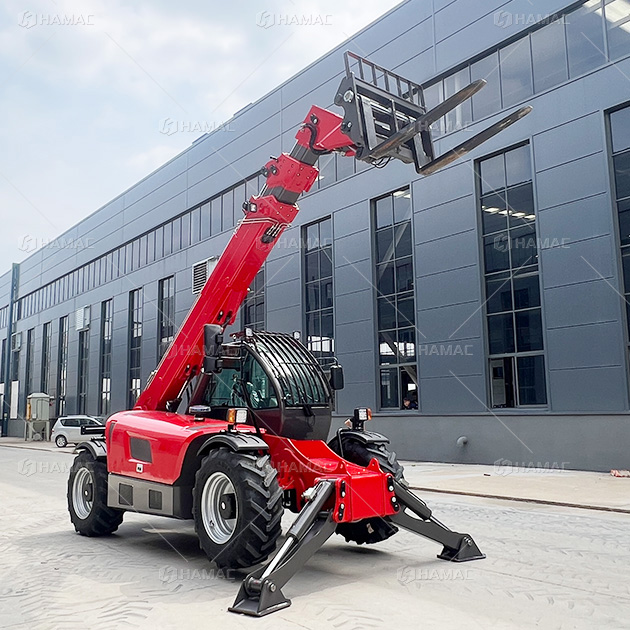
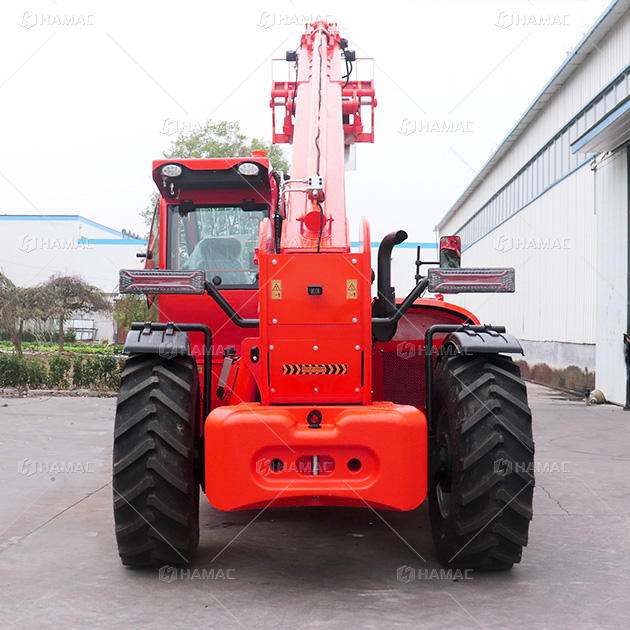
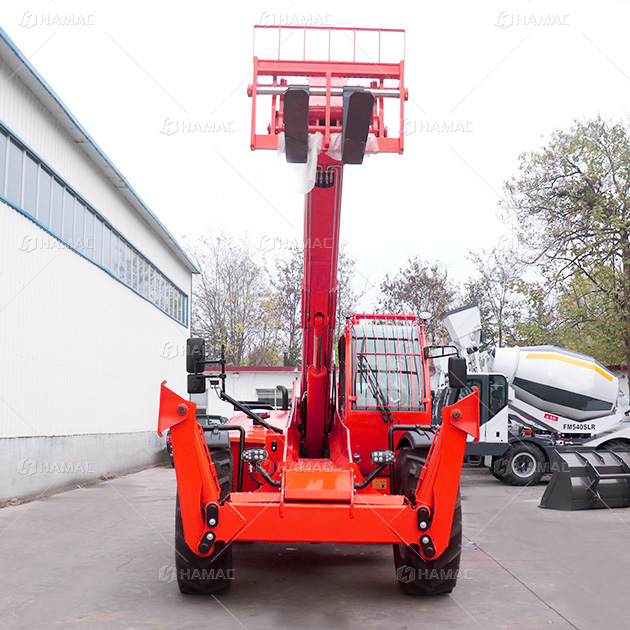
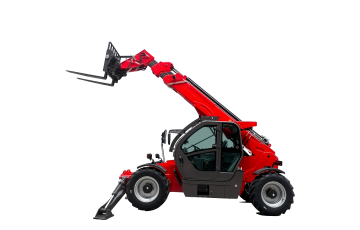
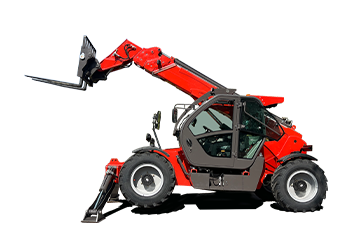
The HAMAC HT4010 is a 4 ton telehandler with around 10 m lift height, designed for construction and industrial sites needing strong lifting capacity and medium reach in a compact package. Its telescopic boom combines forklift‑style loading with crane‑like reach, enabling operators to place heavy pallets and materials onto elevated working areas, mezzanines and high racks without constant machine repositioning. Compact dimensions, good ground clearance and 4×4 drive allow the HT4010 to maneuver easily on tight, uneven sites.
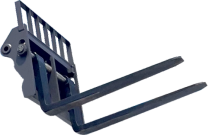
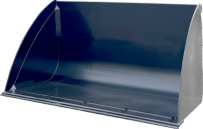
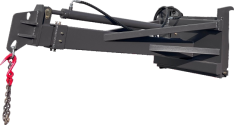
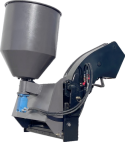
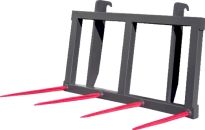
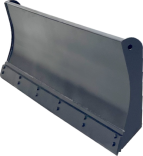
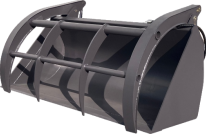
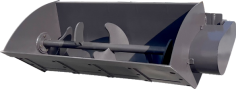
With a quick‑change attachment system for forks, buckets, jibs and platforms, the HT4010 telehandler can switch quickly between lifting, loading and installation tasks across the same project. It is ideal for builders, industrial plants and rental fleets that need a telehandler with more capacity than compact units but still small enough to work around restricted access and congested sites. For owners focused on productivity and flexibility, HT4010 offers a well‑balanced mix of power, reach and maneuverability.
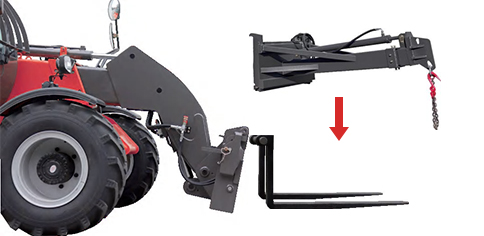
A telehandler combines the roles of forklift, crane and loader in one compact unit, switching between forks, buckets, hooks and man‑baskets in minutes to handle many different tasks on the same site.
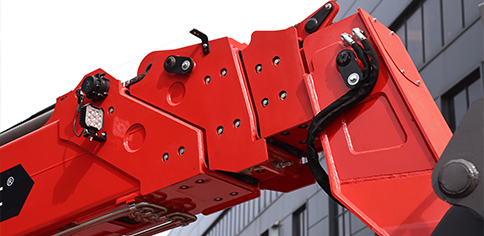
With its telescopic boom, a telehandler can place materials far higher and further than a conventional forklift, reaching upper floors, rooftops and deep into trucks or over obstacles without repositioning the machine.
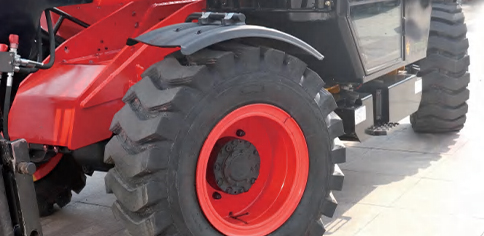
Four‑wheel drive, high ground clearance and multiple steering modes (front, four‑wheel, crab steer) give telehandlers excellent traction and stability on mud, gravel and uneven ground where warehouse forklifts cannot work safely.
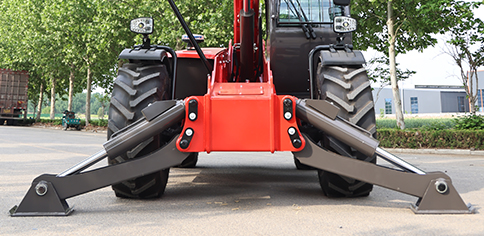
Telehandlers offer high load capacity in a relatively compact chassis, allowing them to maneuver in tight spaces and congested sites while still lifting several tons per pick to useful working heights.
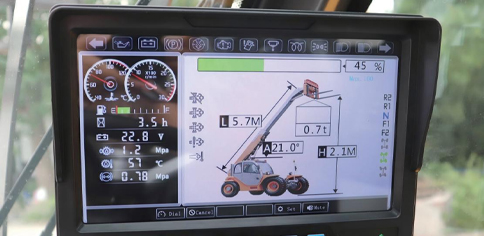
Modern telehandlers include load charts, overload protection, stability control and boom management systems, helping operators stay within safe working envelopes and reducing the risk of tip‑over at long reach.
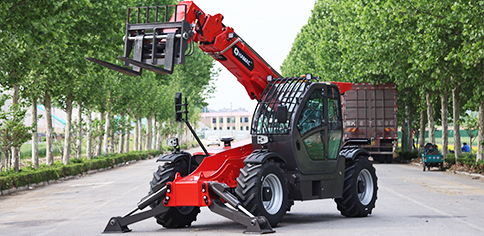
Because one telehandler can unload trucks, move materials across rough terrain and position them at height, it reduces the number of machines and operators needed, cuts rental and maintenance costs, and speeds up overall project progress.
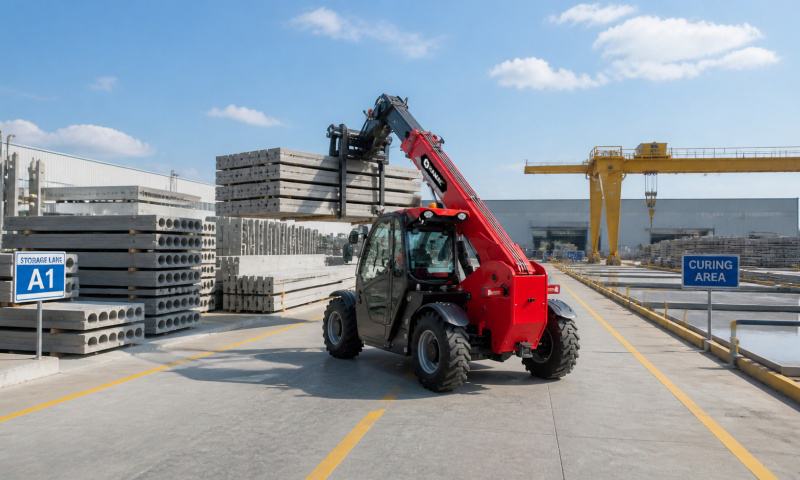
In a precast concrete yard, an HT2506 telehandler is used to move and stack wall panels, floor slabs
Free Consultation >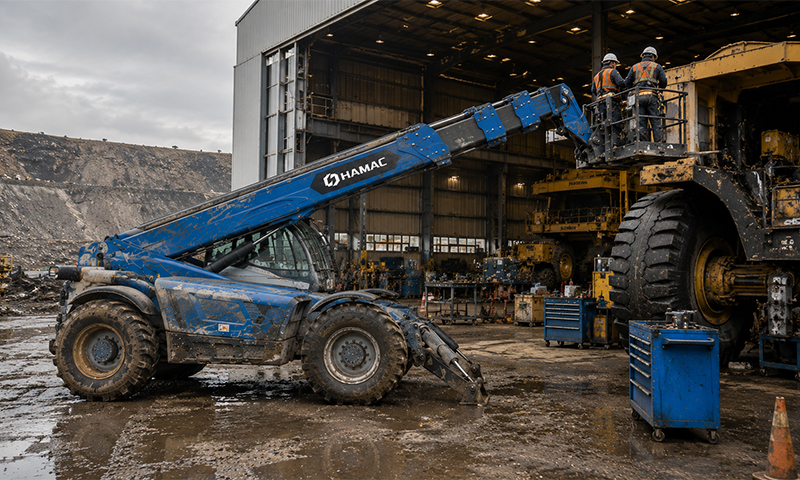
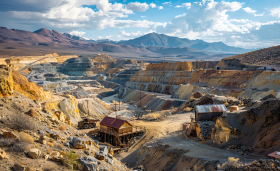
At an open-pit mine workshop, a HAMAC HT5018 telehandler is used to handle heavy parts, tools and sup
Free Consultation >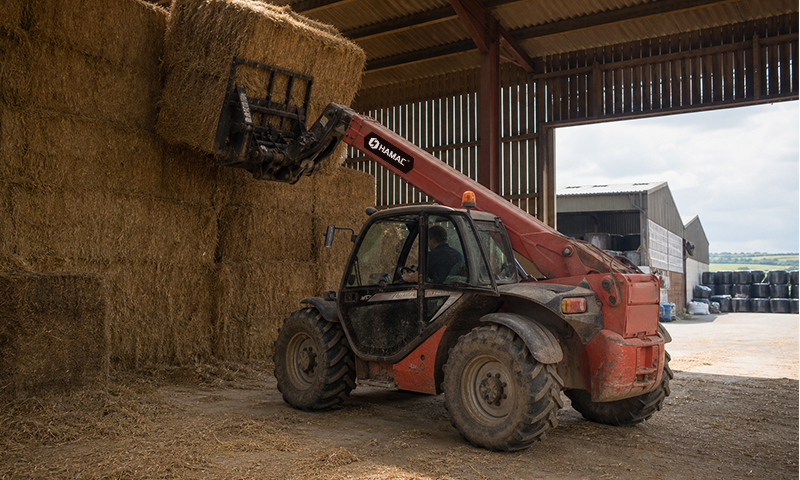
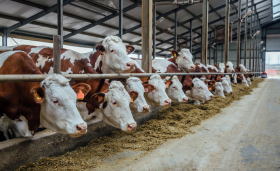
For hay bale stacking and feeding operations, an agricultural telehandler is used to move, stack and
Free Consultation >Please fill out the form, and we can satisfy any of your needs including equipment selection, scheme design, technical support, or after-sales service. We will contact you as soon as possible.