
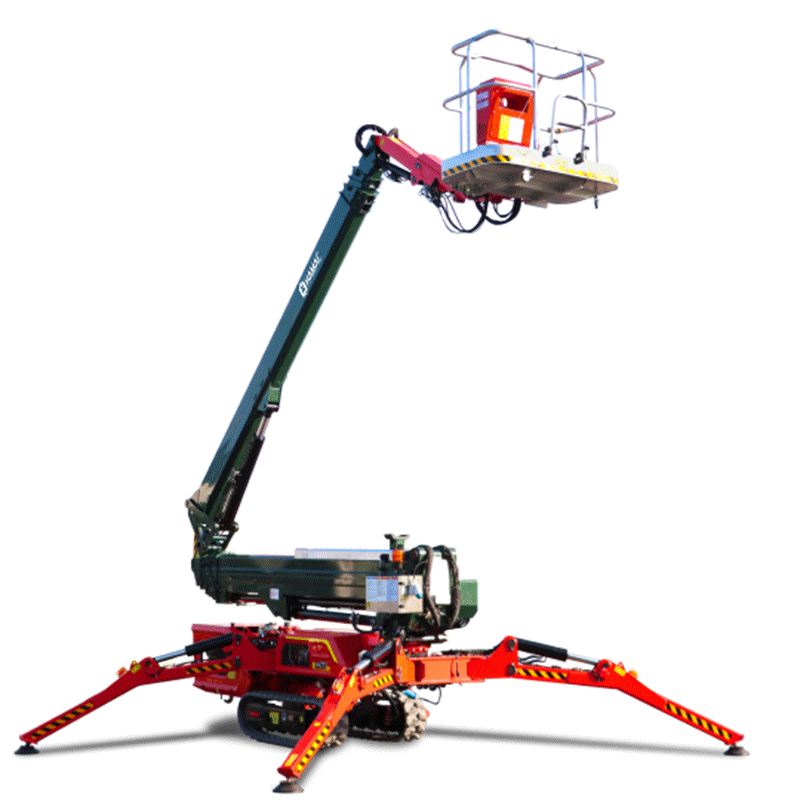
Spider Lifts
Aerial Work Platforms
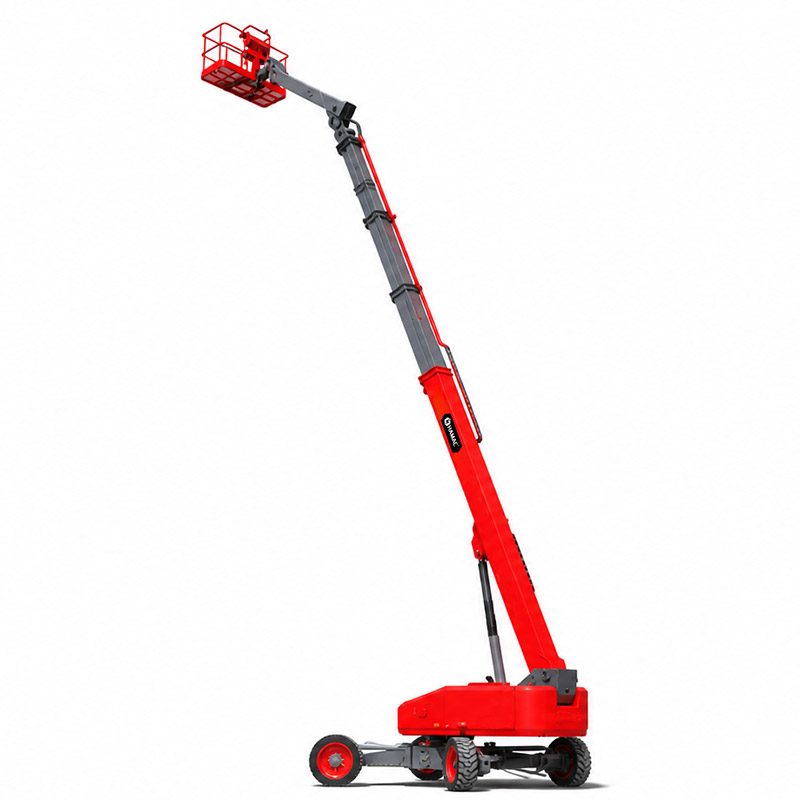
Working Height:27- 52 m
Horizontal Outreach:14.2-19.5 m
Consult now






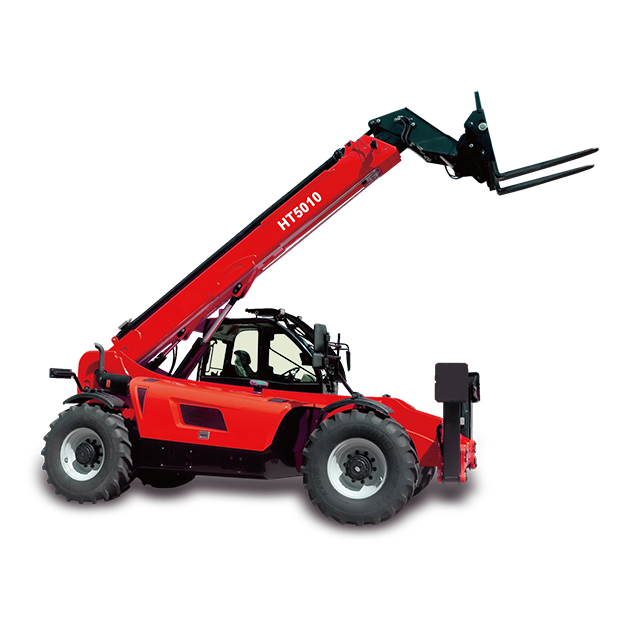
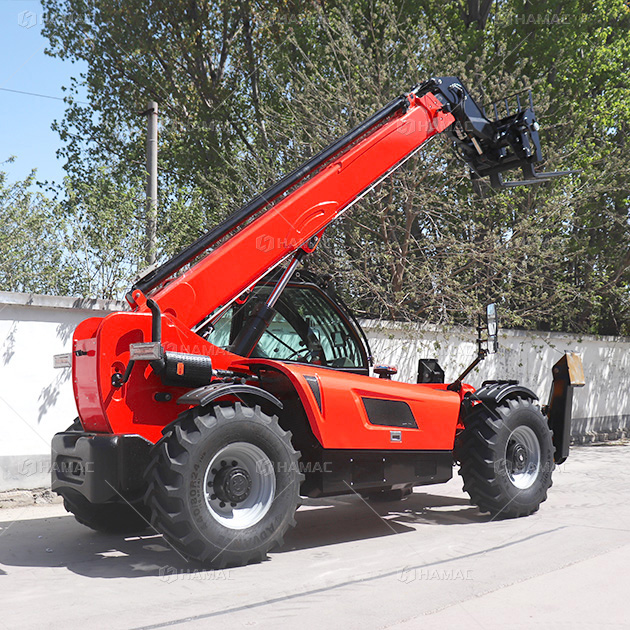
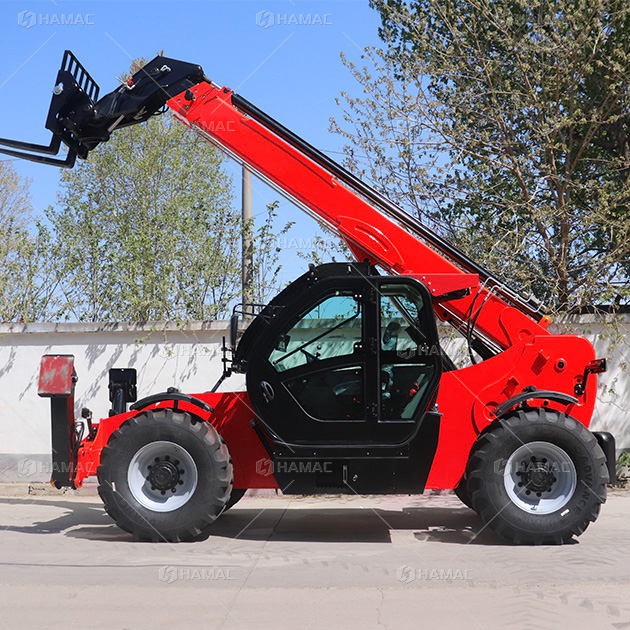
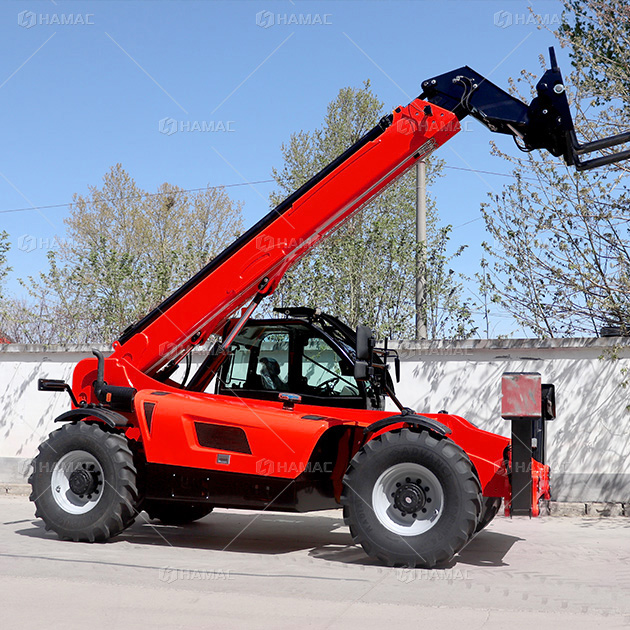
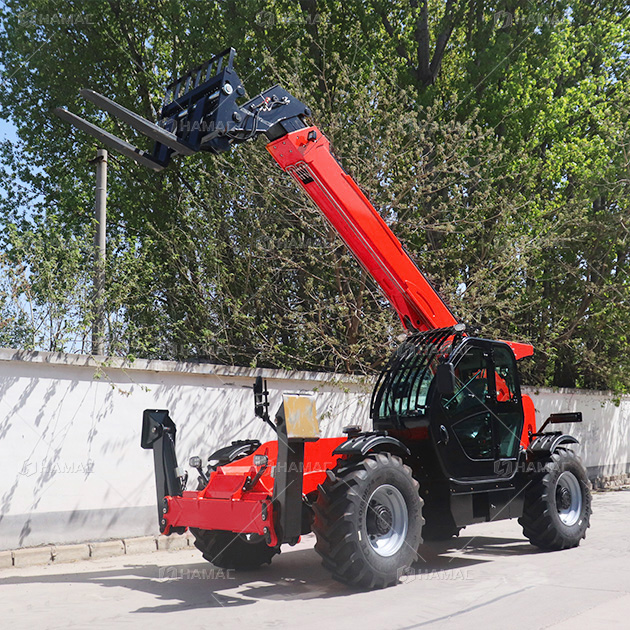
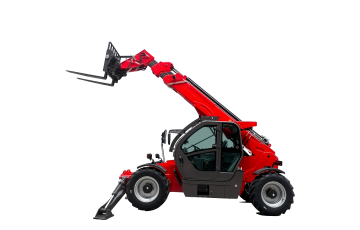
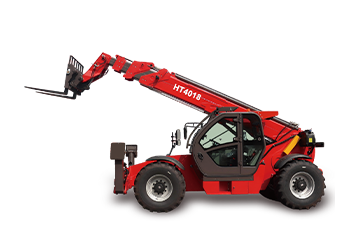
The HAMAC HT5010 is a 5 ton telehandler with 10 m lift height, aimed at heavy lifting tasks where high capacity is more important than extreme reach. Its strong boom and reinforced chassis handle dense loads such as large pallets of bricks, steel sections and machinery components, raising them safely to mid‑height work levels on demanding sites. Full‑time 4×4 drive and rough‑terrain tyres provide traction and stability on mud, gravel and slopes typical of heavy construction and industrial environments.
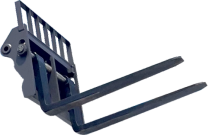
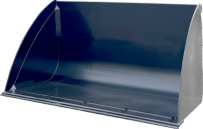
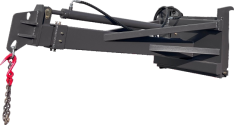
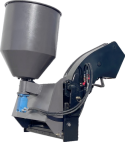
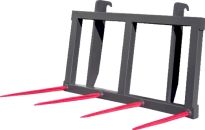
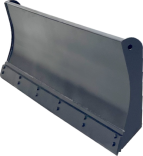
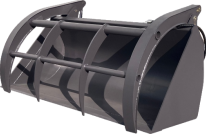
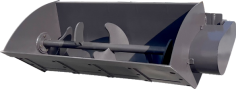
The HT5010 telehandler works with forks, heavy buckets and lifting attachments, reducing reliance on separate cranes, wheel loaders and forklifts for many routine jobs. It suits contractors, precast and steel yards, and industrial plants that regularly handle heavy loads but do not require the higher working height of long‑boom telehandlers. For owners who need a high‑capacity, all‑terrain handler in a manageable size, HT5010 offers a robust and versatile solution.
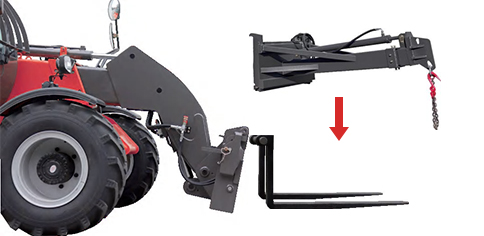
A telehandler combines the roles of forklift, crane and loader in one compact unit, switching between forks, buckets, hooks and man‑baskets in minutes to handle many different tasks on the same site.
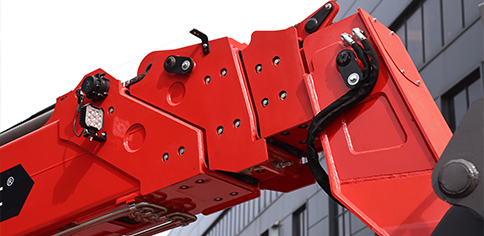
With its telescopic boom, a telehandler can place materials far higher and further than a conventional forklift, reaching upper floors, rooftops and deep into trucks or over obstacles without repositioning the machine.
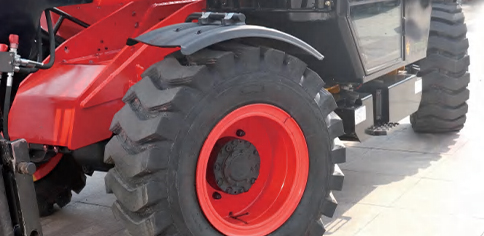
Four‑wheel drive, high ground clearance and multiple steering modes (front, four‑wheel, crab steer) give telehandlers excellent traction and stability on mud, gravel and uneven ground where warehouse forklifts cannot work safely.
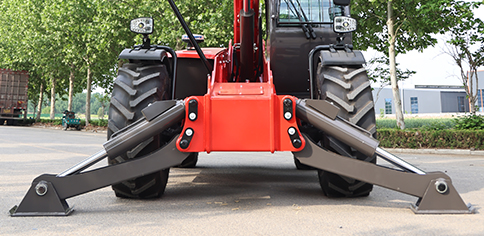
Telehandlers offer high load capacity in a relatively compact chassis, allowing them to maneuver in tight spaces and congested sites while still lifting several tons per pick to useful working heights.
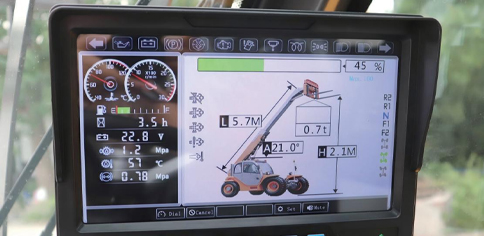
Modern telehandlers include load charts, overload protection, stability control and boom management systems, helping operators stay within safe working envelopes and reducing the risk of tip‑over at long reach.
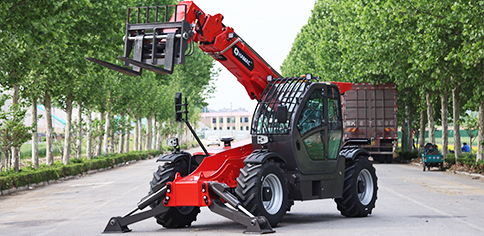
Because one telehandler can unload trucks, move materials across rough terrain and position them at height, it reduces the number of machines and operators needed, cuts rental and maintenance costs, and speeds up overall project progress.
| Weight and dimensions | Max. capacity | 5000 kg |
| Max. lifting height | 9.80 m | |
| Max. outreach | 5.00 m | |
| Weight and dimensions | Overall length to carriage | 6.40 m |
| Length to face of forks | 7.62 m | |
| Min transport size | 5.60 m | |
| Overall width | 2.35 m | |
| Track width | 1.95 m | |
| Overall height | 2.55 m | |
| Wheelbase | 3.60 m | |
| Ground clearance | 0.38 m | |
| Overall cab width | 0.84 m | |
| Tilt‑up angle | 12 ° | |
| Tilt‑down angle | 90 ° | |
| External turning radius (over tyres) | 4.10 m | |
| Unladen weight (with fork) | 12500 kg | |
| Tires type | Semi-solid | |
| Standard tires | 16/70‑24 | |
| Forks length/ width/ section | 1220 mm × 125 mm / 50 mm | |
| Performances | Lifting | 16 s |
| Lowering | 12.4 s | |
| Extension | 17.3 s | |
| Retraction | 13 s | |
| Crowd | 4.8 s | |
| Dump | 4.0 s | |
| Engine | Engine brand | Yuchai (optional) |
| Engine norm | National II | |
| Max. fuel sulphur content | 5000 ppm | |
| Engine model | YCD4J22T‑125 | |
| Number of cylinders / Capacity of cylinders | 4 ‑ 4400 cm³ | |
| I.C. Engine power rating ‑ Power | 122 Hp / 91 kW | |
| Max. torque / Engine rotation | 400 Nm @ 1400 rpm | |
| Drawbar pull (Laden) | 10000 daN | |
| Capacities | Transmission type | Torque converter |
| Number of gears (forward / reverse) | 4 / 4 | |
| Max. travel speed | 40 km/h | |
| Parking brake | Automatic air‑cut brake | |
| Service brake | immersed multi‑discs braking on front & rear axles | |
| Hydraulics | Hydraulic pump type | Gear pump |
| Hydraulic flow | 150 L/min | |
| Tank capacities | Engine oil | 5.5L |
| Hydraulic oil | 170L | |
| Fuel tank | 195L | |
| Noise and vibration | Noise at driving position (LpA) | 82 dB |
| Noise to environment (LwA) | 105 dB | |
| Vibration on hands / arms | < 2.50 m/s² | |
| Miscellaneous | Steering wheels (front / rear) | 2 / 2 |
| Drive wheels (front / rear) | 2 / 2 | |
| Safety cab homologation | FOPS level 2 cab |
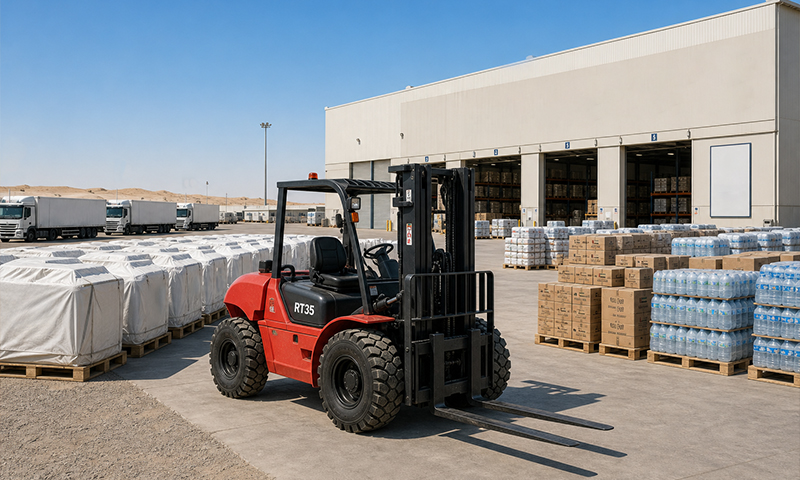
Results and Benefits By deploying RT35 forklifts, the humanitarian logistics hub achieved several key
Free Consultation >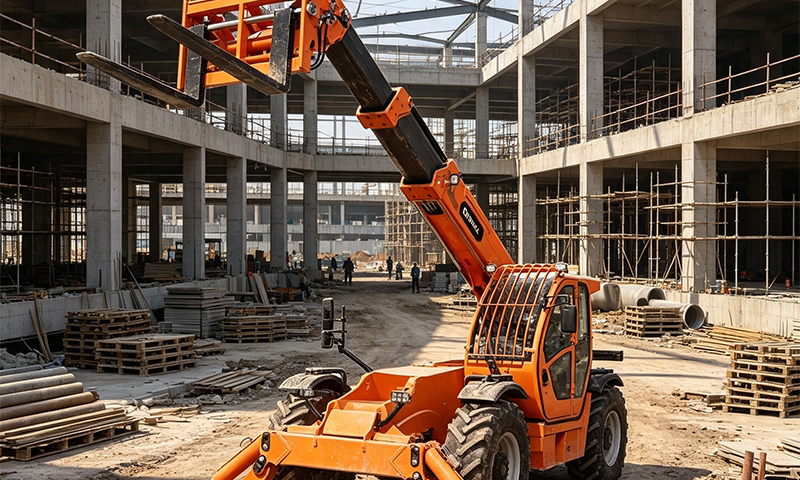
This case study describes how an HT5014 telehandler supports outdoor storage rack replenishment besid
Free Consultation >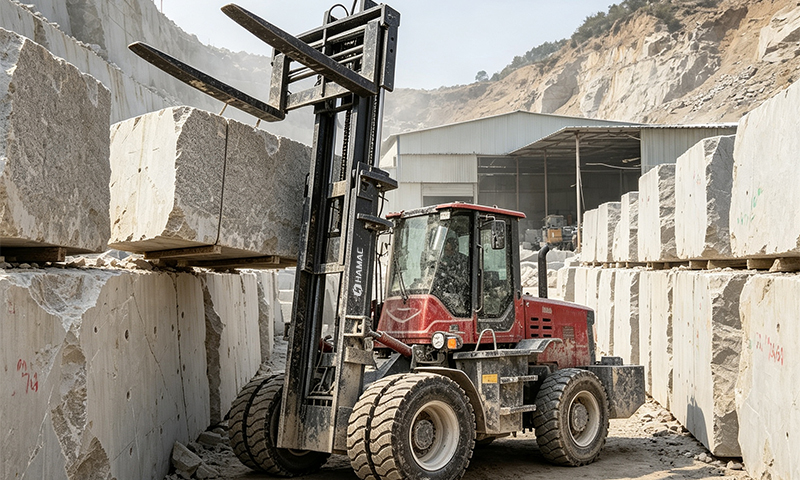
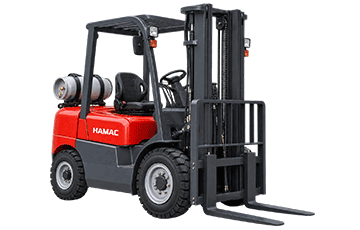
In a quarry, a HAMAC FD10-RT 10 ton rough terrain forklift is used to handle stone blocks, heavy pall
Free Consultation >Please fill out the form, and we can satisfy any of your needs including equipment selection, scheme design, technical support, or after-sales service. We will contact you as soon as possible.