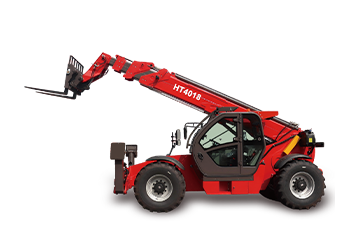
Who is the HT6018 telehandler designed for? −
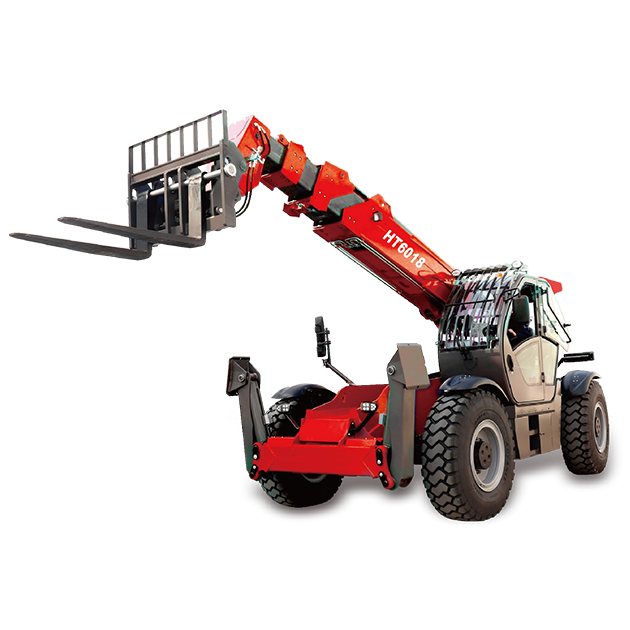
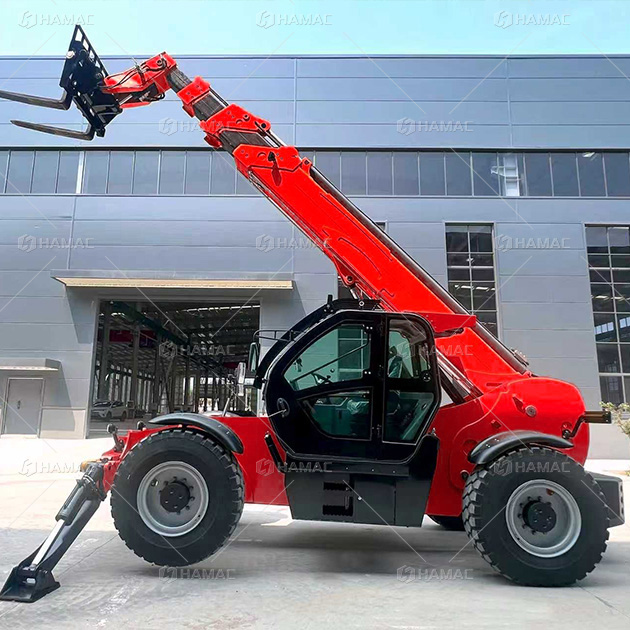
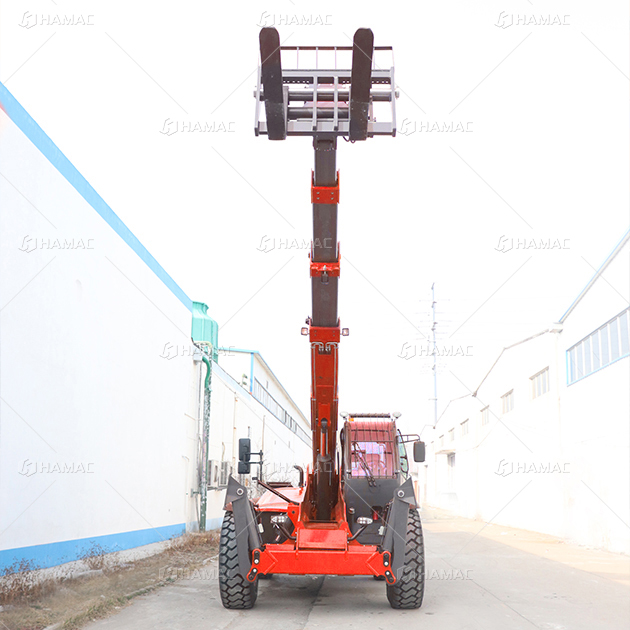
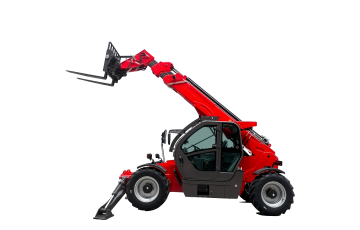
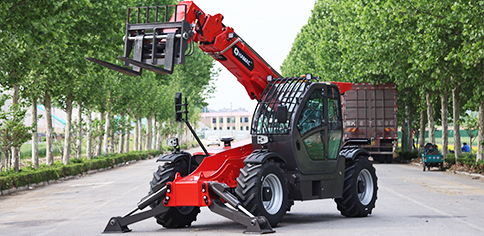
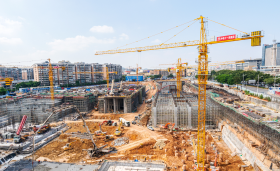
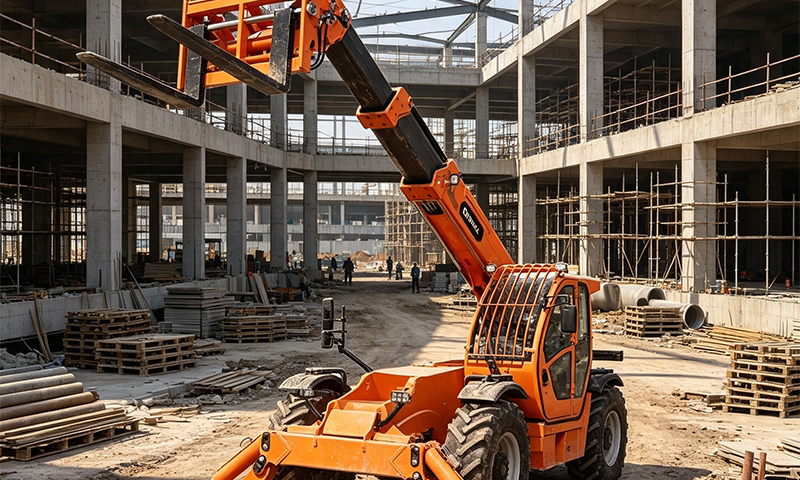
The HT6018 telehandler targets mining companies, heavy construction contractors, industrial plants and large rental fleets that need very high capacity combined with long reach. It is particularly useful where mobile cranes are costly or difficult to position but a heavy‑duty telehandler can handle most routine lifts.
How does the HT6018 compare to the HT5018 or a 4 t / 18 m telehandler? +
Compared with a 5 ton telehandler like the HT5018 or a 4 t / 18 m machine, the HT6018 provides significantly greater lifting capacity, especially at lower heights and shorter reaches. This extra margin is crucial for handling dense materials, large precast elements or heavy industrial components.
What are the main safety and stability concerns at 18 m with 6 t loads? +
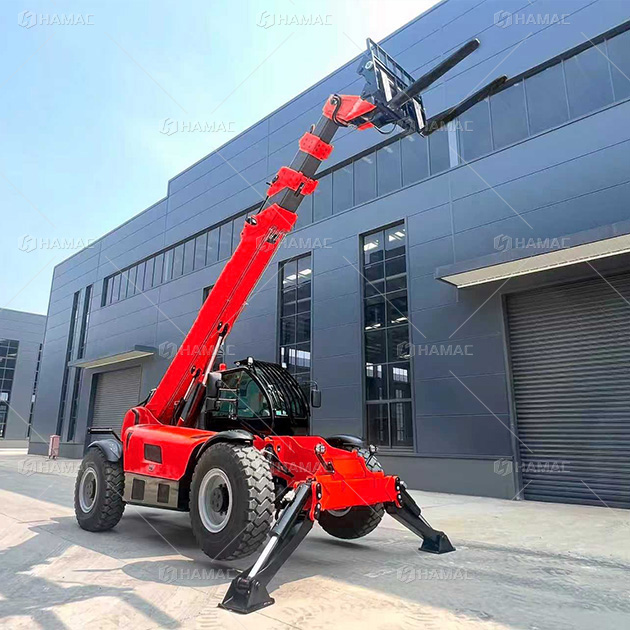
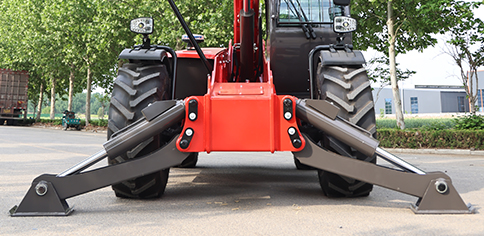
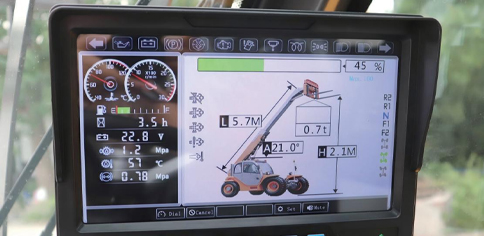
Operating a 6 ton / 18 m telehandler demands meticulous attention to load charts, ground conditions and boom positioning. The machine should only work at high reach on properly engineered ground or slabs with known bearing capacity, and stabilisers must be used as specified by the manufacturer.
Which attachments work best with the HT6018 for heavy industry and mining? +
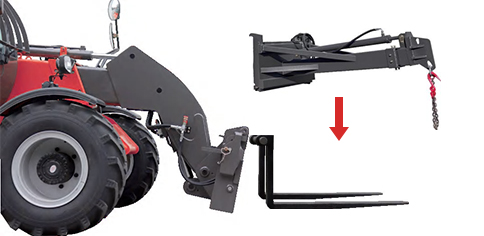
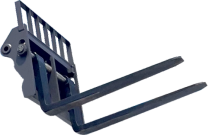
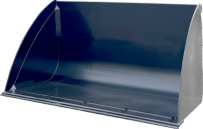
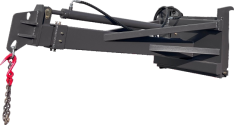
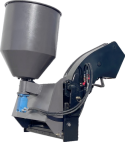
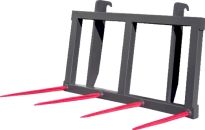
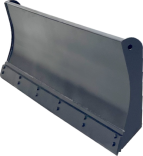
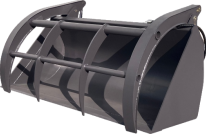
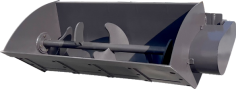
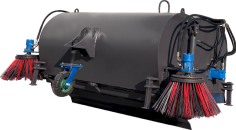
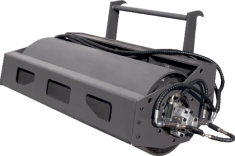
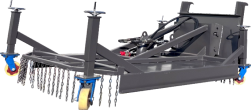
Common telehandler attachments include extra‑heavy forks, rock buckets, pipe or log handlers, block clamps, lifting beams and man baskets for maintenance tasks. The wide attachment choice enables the HT6018 telehandler to perform loading, lifting, clamping and aerial work from a single platform.
Is the HT6018 suitable for high‑bay warehouse or port operations? +
On suitably designed high‑bay warehouses and ports, the HT6018 telehandler can handle very heavy palletised or bulk loads to high levels, but floor or quay bearing capacity must be carefully verified. In many ports, it becomes a flexible complement to reach stackers and cranes for special loads.
What kind of engine and drivetrain does a 6 ton / 18 m telehandler use? +
Telehandlers in this class typically feature high‑output diesel engines, heavy‑duty transmissions and axles with oil‑immersed brakes to cope with the loads and gradients. The HT6018 telehandler follows this concept, combining strong tractive effort with precise low‑speed control for accurate load placement.
What operator training and licensing are required for the HT6018? +
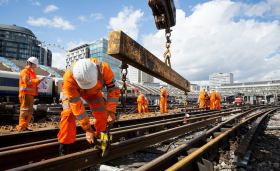
Operators must complete advanced telehandler training for high‑capacity machines and may require specific high‑risk licences depending on local regulations. Training should cover attachment selection, load securing, working at height and emergency procedures for heavy rough terrain telehandler operation.
What daily inspections are critical on a 6 ton telehandler like the HT6018? +
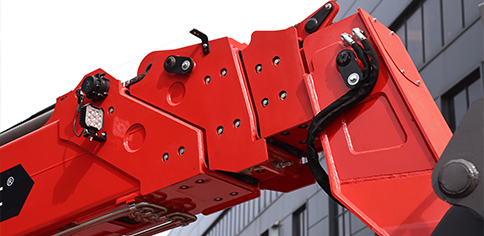
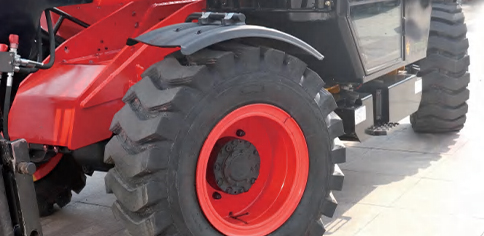
Key checks include boom structure and welds, wear pads, forks and attachments, hydraulic hoses, tyres, steering, brakes, safety devices and overload protection systems. Any cracks, oil leaks or warning alarms on the HT6018 telehandler must be resolved before the machine is returned to service.
How should owners plan maintenance and component life for the HT6018? +
Given the high stresses on a 6 ton telehandler, owners should adhere strictly to the service schedule, use genuine or equivalent‑quality parts and monitor critical components for fatigue. Proactive maintenance reduces unplanned downtime and extends machine life in heavy‑duty applications.
When does it make sense to rent the HT6018 instead of buying? +
If your need for an 18 m telehandler is limited to certain project phases or specific large contracts, renting a machine like the HT6018 from a specialist telehandler hire provider may be more economical. Contractors with continuous heavy, high‑reach work often benefit from owning such a high‑capacity telehandler in their core fleet.