Vertical Lifts
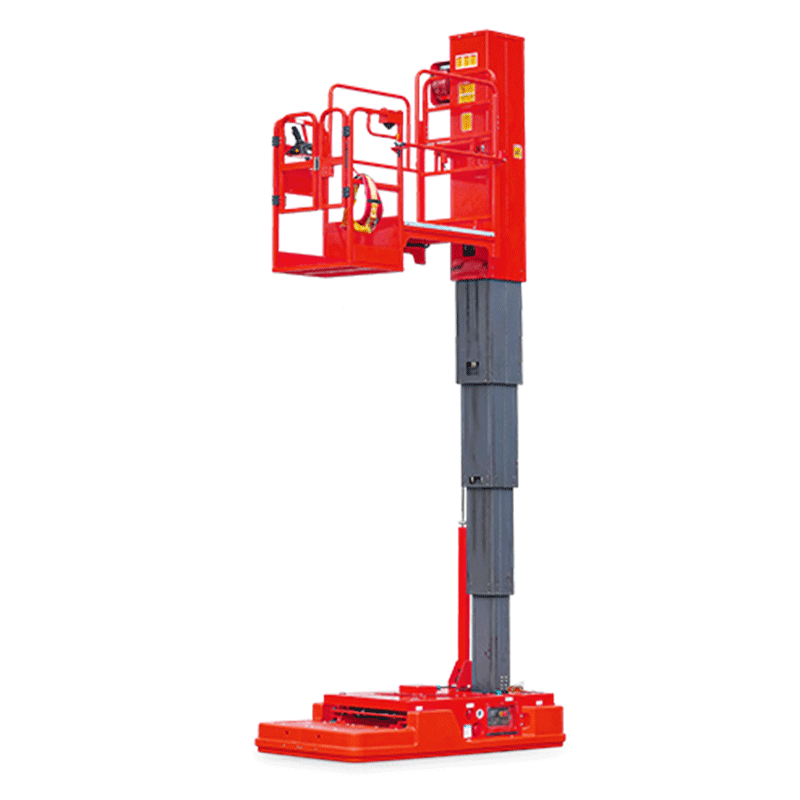
Aerial Work Platforms
Max Working Height:5.8–10.3 m
Platform Capacity:160–227 kg
Consult now






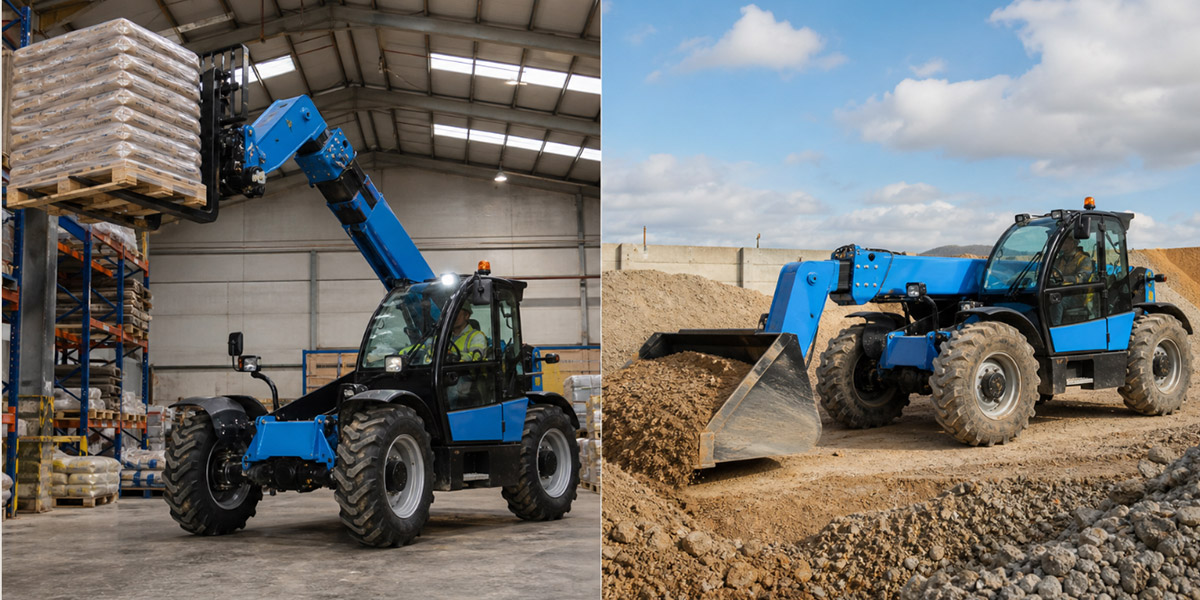
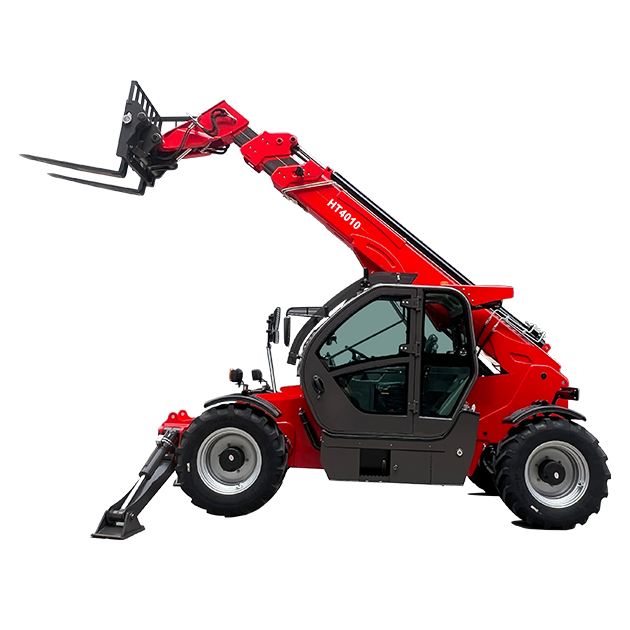
Standard pallet forks remain the most common attachment, used for lifting and stacking palletised goods in warehouses, construction yards and logistics hubs. Bale forks serve a similar purpose but are shaped for handling large round or square bales, making them a core tool for farms moving hay, straw or silage.
A standard bucket attachment turns a telehandler into a loader for moving loose materials such as sand, gravel or soil, useful on construction sites and landscaping projects. A grapple bucket adds hydraulic jaws on top of the bucket, allowing it to grip and carry irregular loads like branches, debris or scrap material that a plain bucket cannot hold securely.
When a job needs vertical lifting rather than forward carrying, a crane arm attachment converts the telehandler into a mobile crane, useful for lifting steel beams, pipes or equipment into position at height. A mixed barrel attachment, often used with concrete, allows the telehandler to transport and pour concrete directly to points on site that a concrete truck cannot reach.
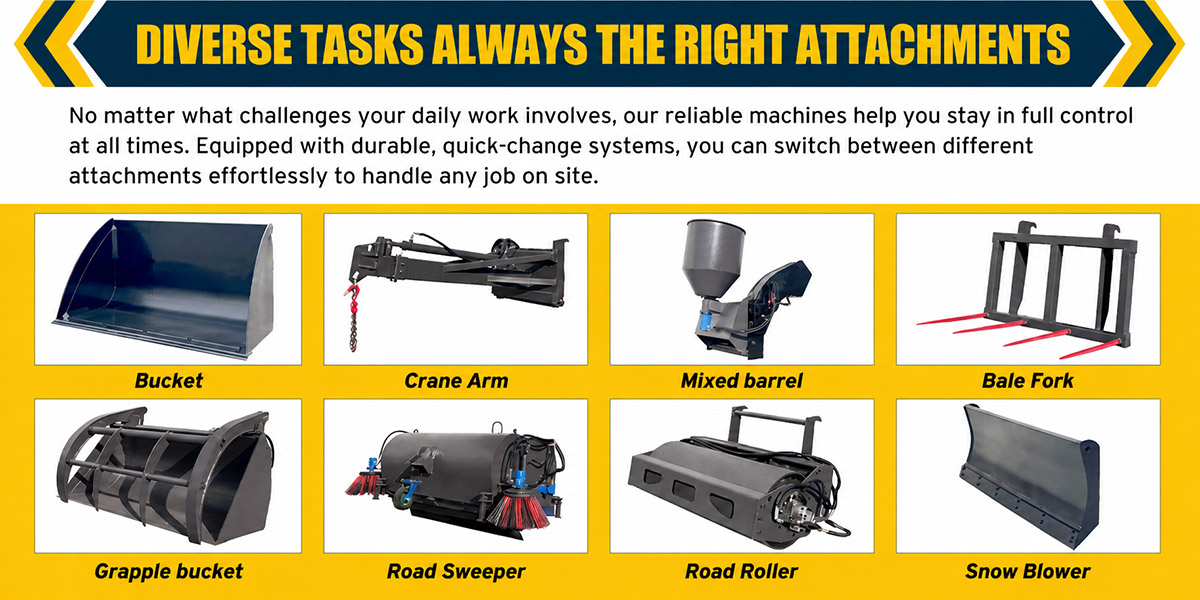
Some attachments serve specific seasons or industries rather than daily general use. A snow blower turns the telehandler into winter maintenance equipment for clearing yards and access roads, while a road sweeper and road roller support surface cleaning and light paving work on construction sites. A grass cutter extends the machine's use into vegetation management around large properties or infrastructure sites.
The right attachment depends on what is actually moving through the site: palletised goods call for forks, loose bulk material calls for a bucket, irregular debris calls for a grapple bucket, and vertical lifting tasks call for a crane arm. Because HAMAC's quick-change system supports fast switching, many operators keep two or three attachments on hand and change between them as the day's tasks shift from loading to lifting to cleanup.
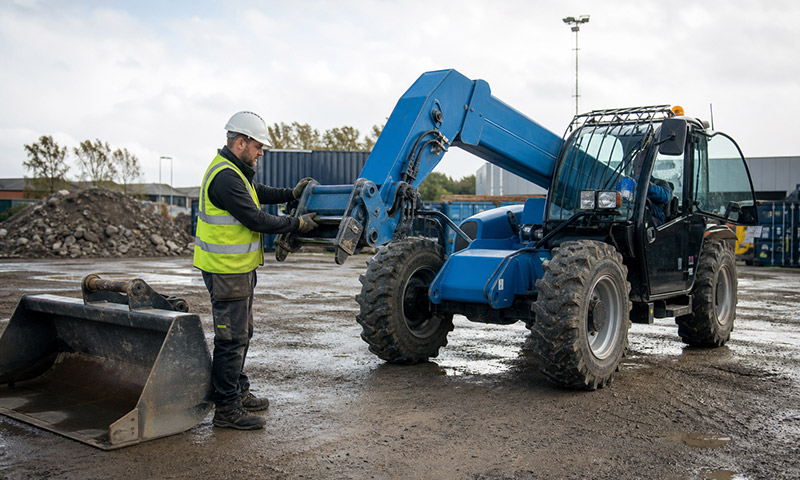
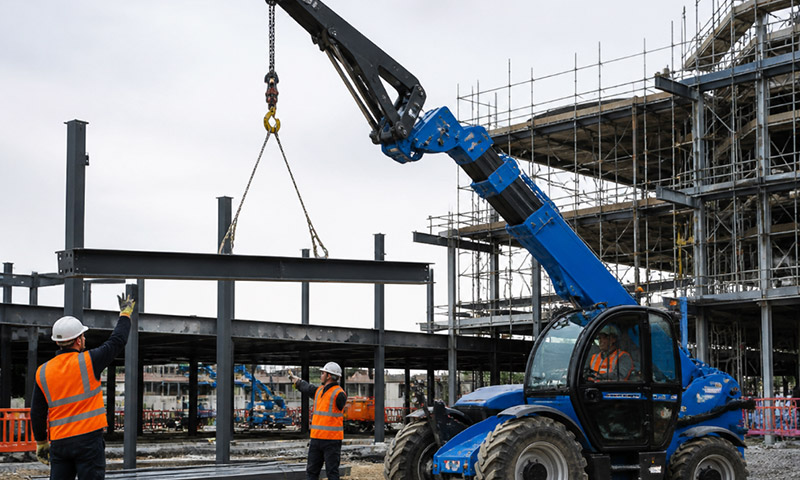
When comparing telehandlers, it's worth checking not just lifting height and capacity, but also how many attachments the manufacturer supports and how quickly they can be swapped. HAMAC's telehandler range is built around this quick-change philosophy, so one chassis can move from pallet stacking in the morning to bucket work in the afternoon without needing a second machine on site.
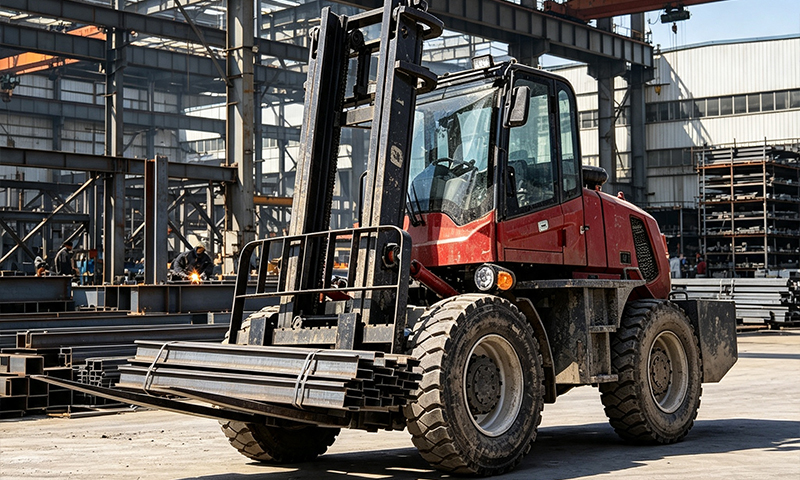
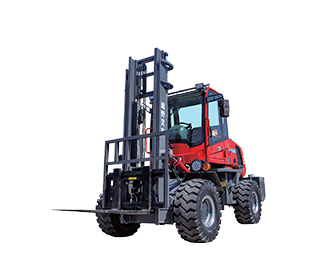
In a steel fabrication plant, a rough terrain forklift is used to move steel beams, plates and heavy
Free Consultation >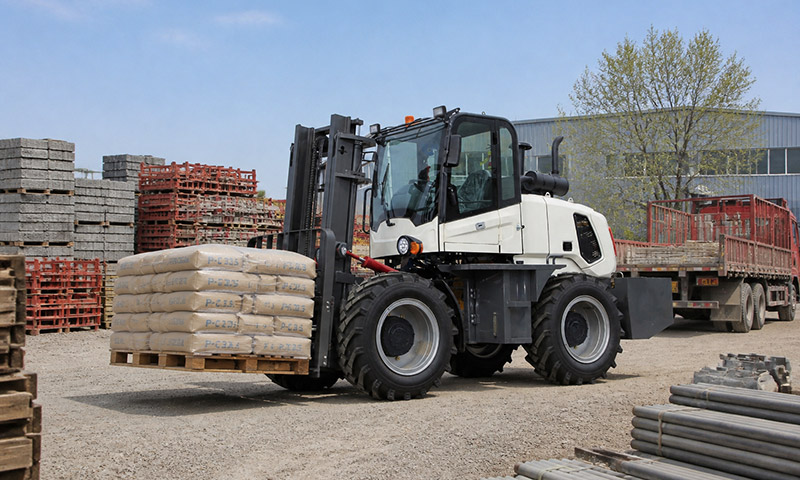
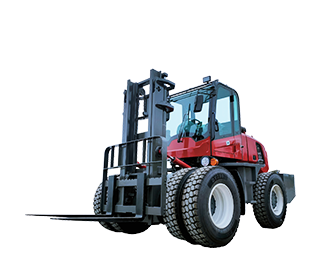
FD60‑RT 6 ton rough terrain forklifts are used in a precast concrete yard to move and stage heavy b
Free Consultation >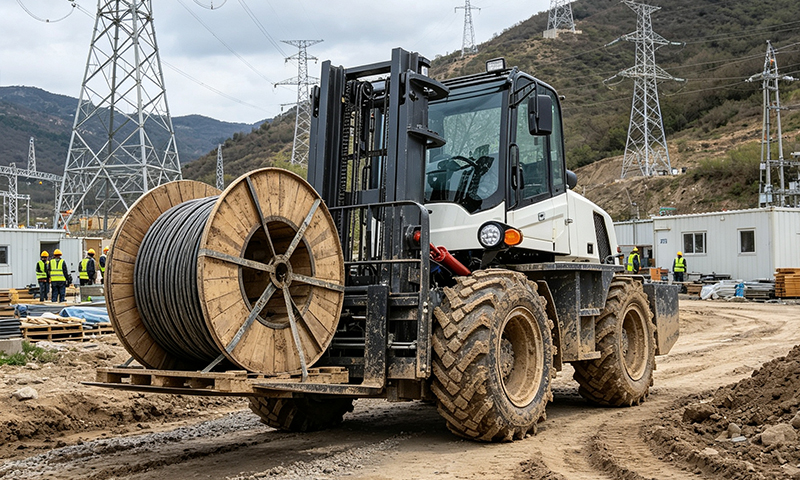
On remote infrastructure and utility projects, a HAMAC FD60-RT 6 ton rough terrain forklift is used t
Free Consultation >Please fill out the form, and we can satisfy any of your needs including equipment selection, scheme design, technical support, or after-sales service. We will contact you as soon as possible.