FD50‑RT
Rough Terrain Forklifts
Rated load capacity: 5,000 kg
Maximum lift height: approx. 3,000–4,500 mm
Consult now






Choosing between a telehandler and a rough terrain forklift comes down to one core question: does your job need height and reach, or does it need raw lifting stability on rough ground? Both machines are built for tough outdoor environments, but they solve different problems, and picking the wrong one can slow down your operation or add unnecessary cost.
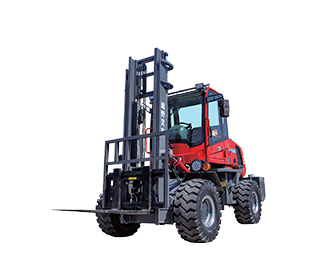
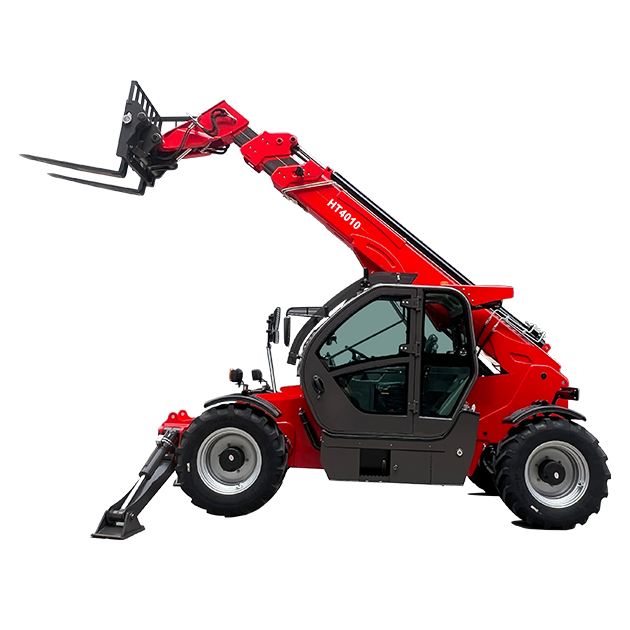
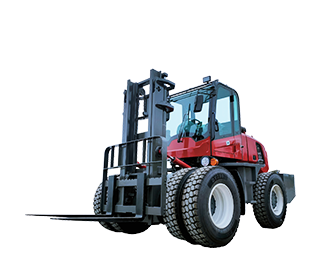
A telehandler uses a telescopic boom that extends forward and upward, letting it lift loads high and far from a fixed base position. A rough terrain forklift, by contrast, uses a fixed vertical mast similar to a traditional forklift, but is built on an articulated 4x4 chassis designed to handle soft, uneven or sloped ground that a standard warehouse forklift cannot manage.
| Factor | Telehandler | Rough Terrain Forklift |
|---|---|---|
| Lifting height | Up to 17.6 m (e.g. HT5018, HT6018) | 3000–6000 mm, customizable |
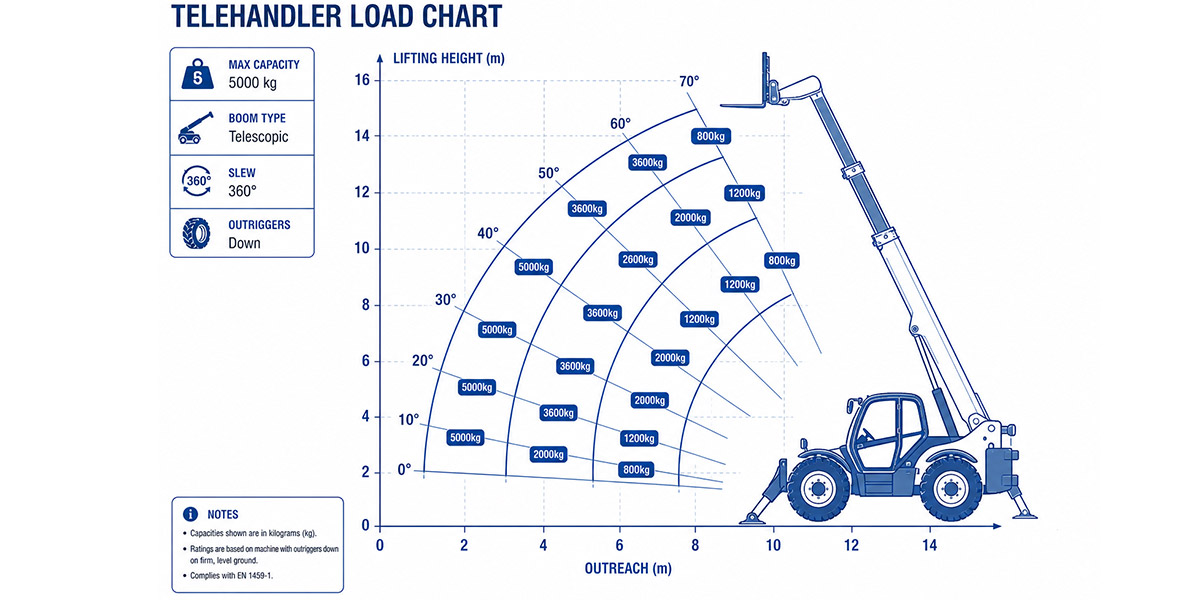
| Reach | Up to 11.2 m forward outreach | Minimal forward reach, mast is vertical |
| Rated load | 4000–6000 kg typical range | 3000–10000 kg across the range |
| Ground handling | Good on firm or semi-rough ground | Excellent on soft, muddy or sloped ground (4x4, ≤25° gradeability) |
| Turning/maneuverability | Larger turning radius, less agile in tight spaces | Articulated chassis allows tighter turns |
| Best for | High-rise material delivery, container loading, warehouse stacking | Farm logistics, forestry, yard work on rough or soft terrain |
Telehandlers make sense when your job requires reaching upward or outward from one position, such as delivering formwork and rebar to upper floors of a building under construction, loading deep into shipping containers or truck beds, or stacking pallets several levels high in a warehouse. Models like HT5018 and HT6018 combine strong lift capacity with lifting heights up to 17.6 m, making them well suited for high-rise construction, steel erection and logistics operations.
Rough terrain forklifts are the better fit when the challenge is the ground itself rather than height, such as farms with muddy access roads, forestry sites with uneven terrain, or rural yards with loose gravel and soft soil. Their articulated 4x4 chassis, reinforced axles and rough terrain tires keep the machine stable and mobile in conditions that would stop both standard forklifts and telehandlers, while optional attachments like bale clamps, pipe clamps and boom cranes add task-specific flexibility.
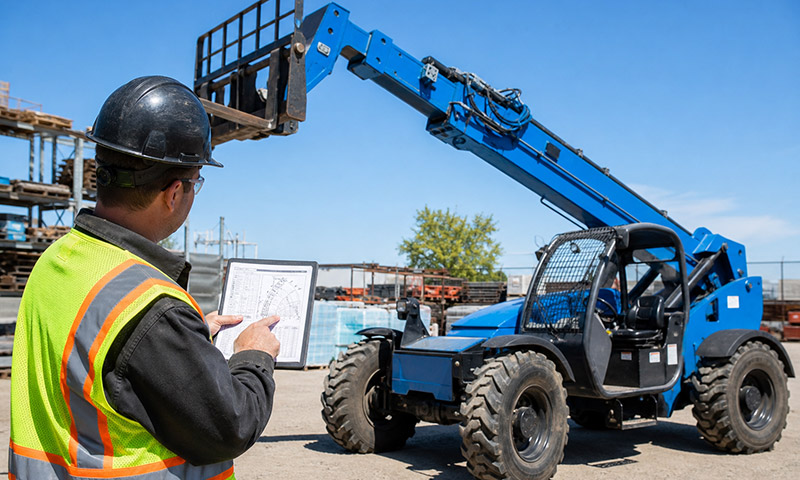
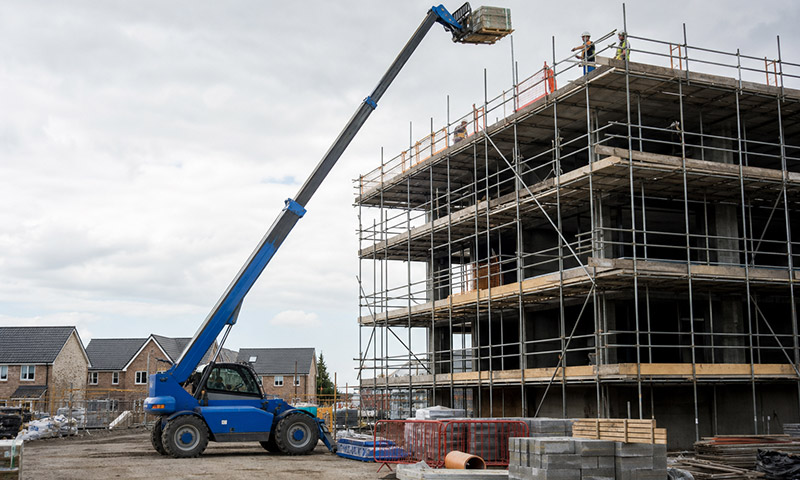
In practice, telehandlers and rough terrain forklifts are complementary rather than interchangeable. A telehandler struggles on very soft or muddy ground because its design prioritizes reach and height over ground clearance and articulation, while a rough terrain forklift's fixed mast cannot match a telehandler's reach for high-level or long-distance lifting tasks. Many construction and agricultural operations end up using both machines for different parts of the same project.
Start by identifying your primary constraint: if it's height or reach, a telehandler like HT4014, HT5018 or HT6018 will serve you better; if it's rough, soft or sloped ground, a rough terrain forklift from the 3 to 10 ton range will be the more reliable choice. HAMAC offers both product lines, so customers can match the right machine, or combination of machines, to their specific site conditions and workload.
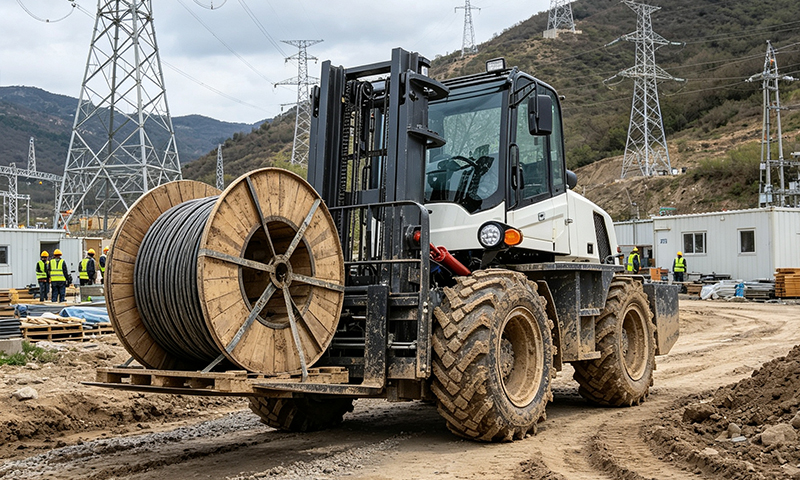
On remote infrastructure and utility projects, a HAMAC FD60-RT 6 ton rough terrain forklift is used t
Free Consultation >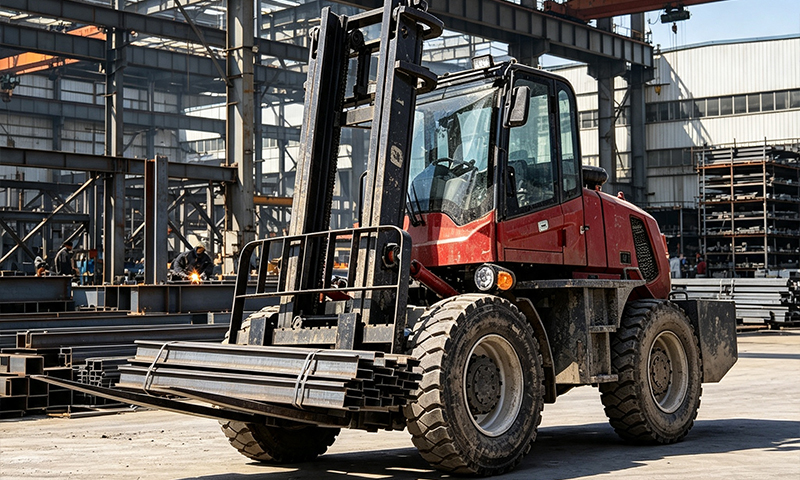
In a steel fabrication plant, a rough terrain forklift is used to move steel beams, plates and heavy
Free Consultation >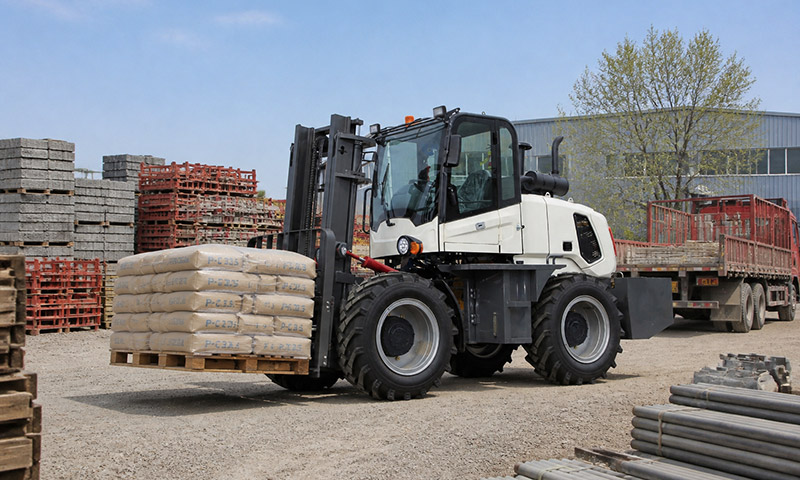
FD60‑RT 6 ton rough terrain forklifts are used in a precast concrete yard to move and stage heavy b
Free Consultation >Please fill out the form, and we can satisfy any of your needs including equipment selection, scheme design, technical support, or after-sales service. We will contact you as soon as possible.