Vertical Lifts
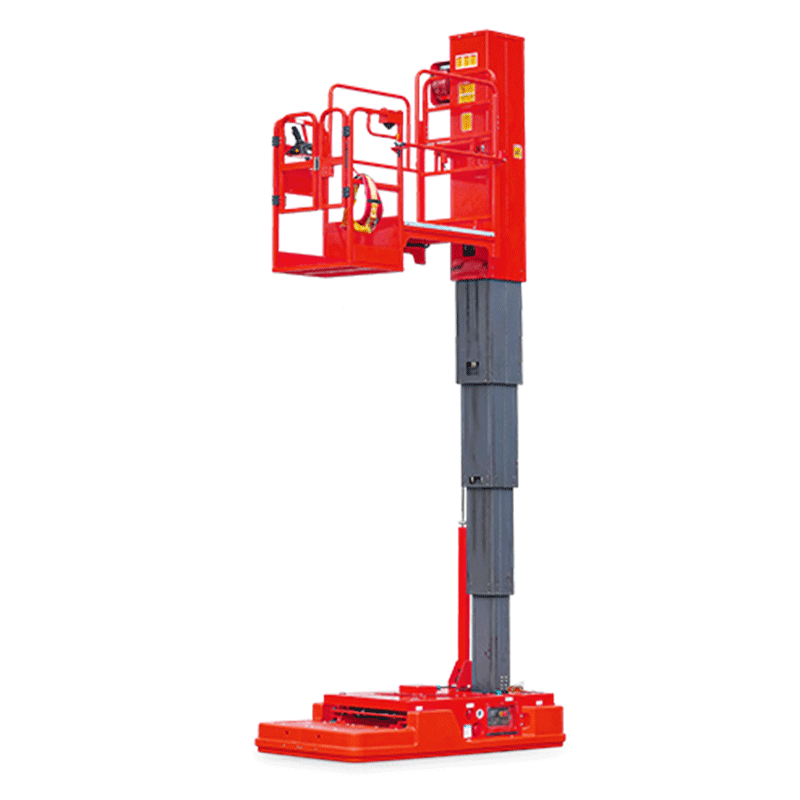
Aerial Work Platforms
Max Working Height:5.8–10.3 m
Platform Capacity:160–227 kg
Consult now





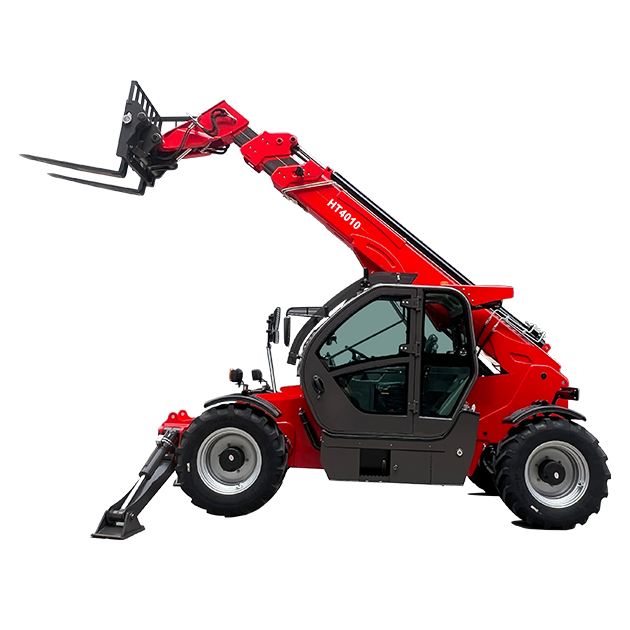
Choosing a telehandler is rarely just about picking the biggest or the cheapest machine on the list. It's about matching lifting height, load capacity and maneuverability to the actual work you do every day. The HAMAC HT4010 sits in the mid-range of HAMAC's telehandler lineup, offering a 9.8 m lifting height and 4000 kg rated capacity, and this guide walks through what that means in practice, where the machine fits best, and what to weigh up before making a purchase decision.
HT4010 was designed as a versatile, mid-size telehandler for operations that need more reach and lift height than a standard forklift, but don't require the extreme height of HAMAC's largest models like HT4018 or HT6018. Its 9.8 m maximum lifting height puts it comfortably above ground-level warehouse work while staying below the high-rise range, making it a practical fit for low to mid-rise construction, general material yards and mixed-use logistics sites.
The machine uses the same core platform as HAMAC's HT4007, sharing a similar chassis footprint, engine and hydraulic system, but with a taller telescopic boom to extend its working envelope upward. This shared-platform approach means HT4010 benefits from the same proven reliability and parts commonality as other models in the HT40 series, which can simplify maintenance and spare parts sourcing for fleet operators running multiple HAMAC units.
HT4010 is powered by a Yuchai engine rated at 114 hp (85 kW), paired with a torque converter transmission offering 2 forward and 2 reverse gears and a top travel speed of 35 km/h. This gives the machine enough power to handle its 4000 kg rated load while remaining manageable for operators moving between tasks across a site.
The chassis measures 4.65 m in overall length to the carriage and 2.2 m in width, with a 3.15 m wheelbase and 0.35 m ground clearance, striking a balance between compactness for site maneuvering and stability under load. Standard tubeless 400/70‑24 tires and a 4.25 m turning radius allow it to work in moderately tight spaces without sacrificing traction on semi-rough surfaces.
Performance figures show a 10 second lift time and 7 second lowering time, with extension and retraction taking around 12 and 8.6 seconds respectively. These cycle times matter in practice: faster cycles mean more material moved per hour, which directly affects productivity on busy sites where the telehandler is constantly loading, lifting and repositioning.
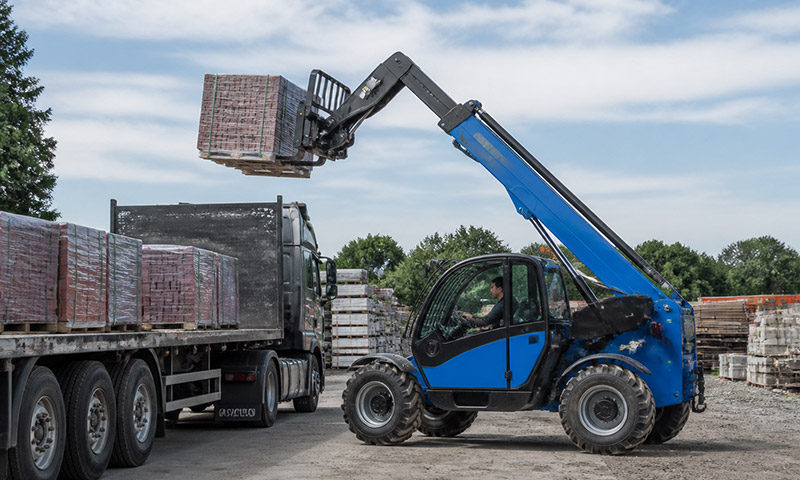
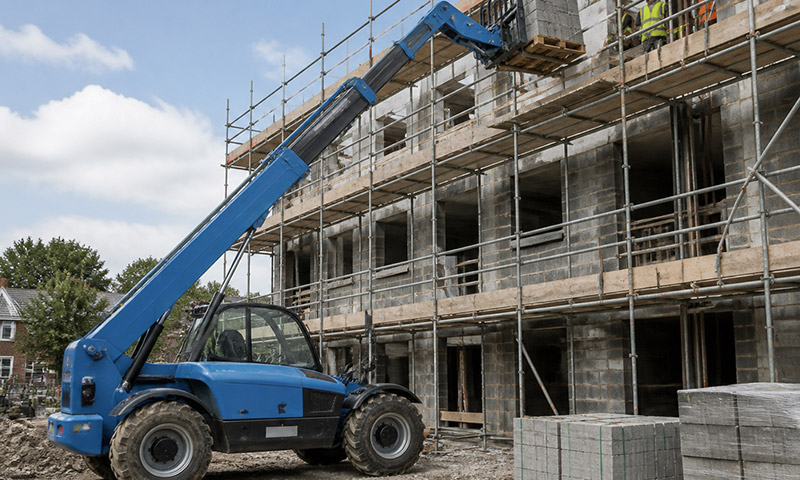
On general construction sites, HT4010 is well suited to delivering block, brick, timber and packaged materials to working levels below high-rise height, supporting bricklaying crews, roofing teams and general contractors who need consistent material flow without waiting for a tower crane. Its reach also helps position materials over uneven ground, foundations or partially completed structures where a straight-mast forklift would struggle.
In material yards and small-to-mid logistics operations, HT4010 can stack palletised goods at moderate heights, load trucks, and move bulky items like drums, coils or crates across yard surfaces that mix concrete, gravel and compacted soil. Because it doesn't need the extreme reach of larger models, it also tends to be easier to maneuver in yards with tighter aisles or mixed vehicle traffic.
Agricultural and rural infrastructure projects also use machines in this class for moving building materials, irrigation equipment and general farm construction supplies, particularly where some vertical reach is needed but full high-rise capability would be overkill.
| Model | Max lifting height | Rated load | Best fit |
|---|---|---|---|
| HT4007 | 7.0 m | 4000 kg | Ground-level to low-rise material handling |
| HT4010 | 9.8 m | 4000 kg | Low to mid-rise construction, general yards |
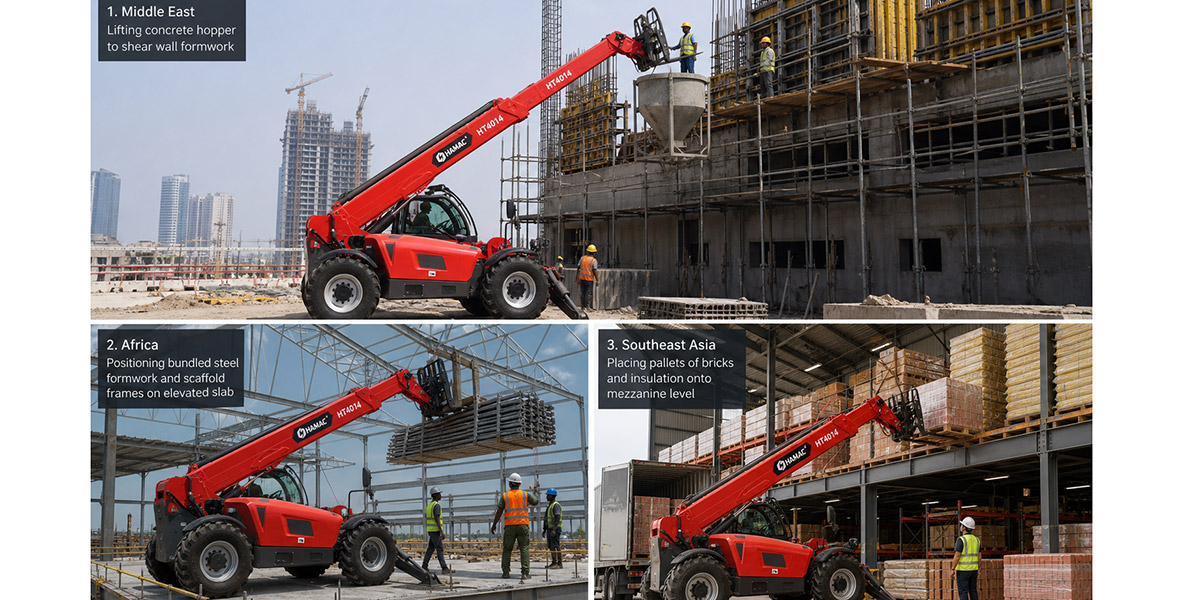
| HT4014 | 13.8 m | 4000 kg | Mid-rise construction, deeper reach tasks |
| HT4018 | 17.6 m | 4000 kg | High-rise delivery, long-distance outreach |
This comparison highlights an important point: within the HT40 series, rated load stays consistent at 4000 kg while lifting height increases across models. This means the real decision isn't about capacity, it's about how high and how far your typical job actually requires the boom to reach. Choosing a taller model than necessary adds cost and can make the machine less maneuverable in tighter spaces, while choosing a shorter model than needed will limit what jobs it can safely perform.
Is 4000 kg capacity enough? For most general construction and logistics tasks involving standard pallets, block, brick and packaged materials, 4000 kg covers the vast majority of daily lifting needs. Operations regularly moving heavier steel members, large machinery or oversized industrial loads should look at HAMAC's 5 or 6 ton telehandler models instead.
Does 9.8 m height cover mid-rise work? A 9.8 m lifting height typically reaches materials to roughly the third or fourth floor level depending on floor height and working angle, making HT4010 suitable for low to mid-rise buildings. Projects going higher should consider HT4014 or HT4018 to maintain safe working margins at height.
What attachments work with HT4010? Like other HAMAC telehandlers, HT4010 supports a quick-change attachment system, allowing operators to switch between pallet forks, buckets, crane arms and specialty attachments such as bale forks or grapple buckets depending on the task, without needing a separate machine for each job type.
HT4010 makes the most sense for buyers who need meaningfully more reach than a ground-level forklift, but don't want to pay for or maneuver a full high-rise telehandler on sites that will never need 14 or 17 meters of height. If your daily work sits between "close to the ground" and "up several floors," this model is worth serious consideration, and reviewing your specific height and load requirements against the load chart before purchase remains the most reliable way to confirm it's the right fit.
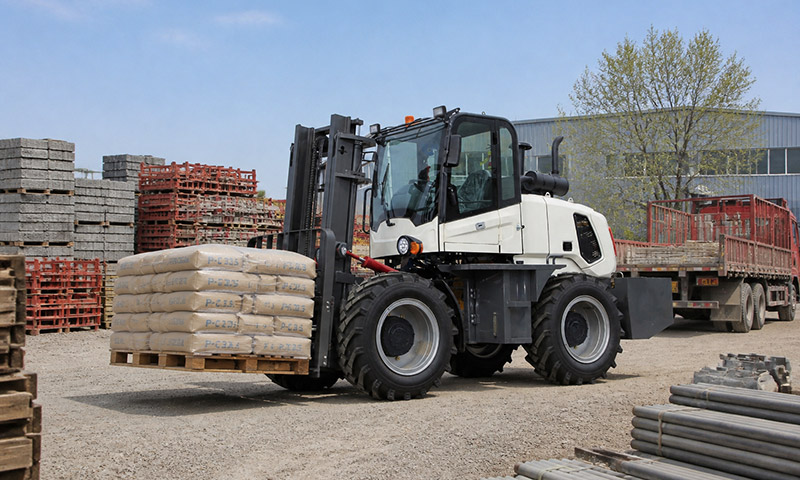
FD60‑RT 6 ton rough terrain forklifts are used in a precast concrete yard to move and stage heavy b
Free Consultation >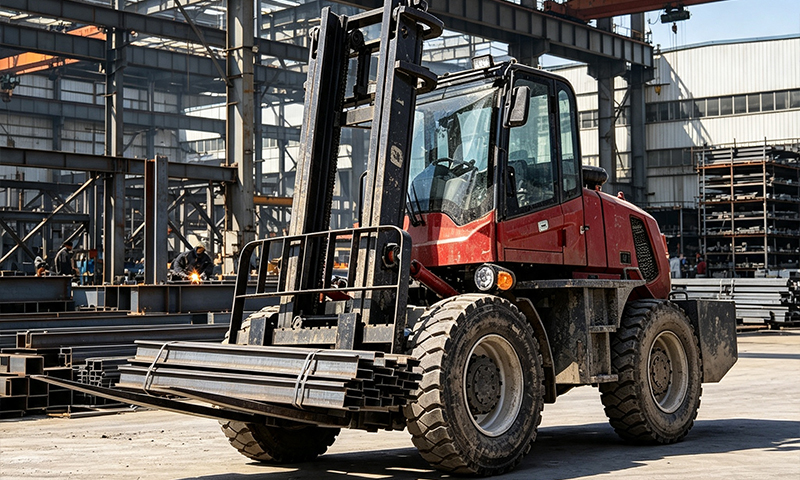
In a steel fabrication plant, a rough terrain forklift is used to move steel beams, plates and heavy
Free Consultation >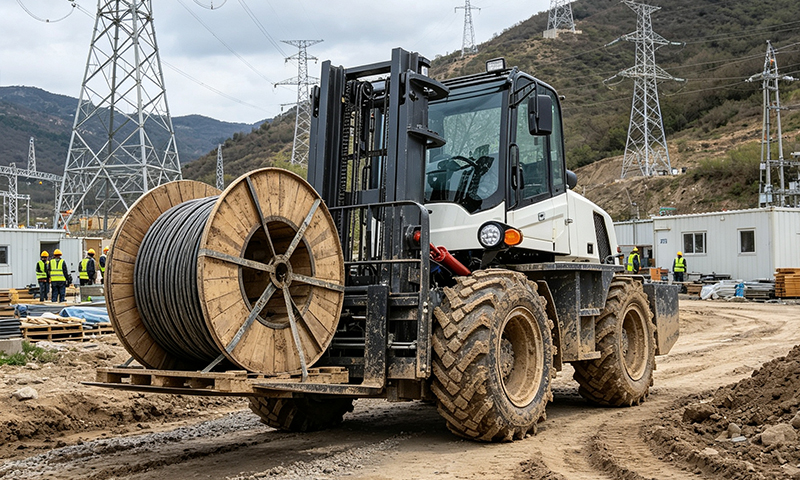
On remote infrastructure and utility projects, a HAMAC FD60-RT 6 ton rough terrain forklift is used t
Free Consultation >Please fill out the form, and we can satisfy any of your needs including equipment selection, scheme design, technical support, or after-sales service. We will contact you as soon as possible.