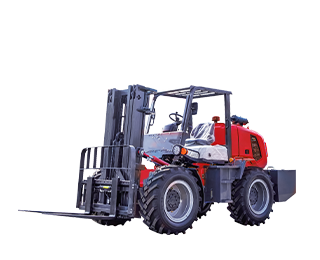
FD35‑RTS
Rough Terrain Forklifts
Rated load capacity: 3,500 kg
Maximum lift height: 4,500 mm
Consult now






A telehandler is more than a machine for lifting pallets. With the right attachment, it can support loading, material placement, bulk handling, suspended lifting, agricultural work, site cleaning, and many other daily tasks. For contractors and farm operators, choosing the correct telehandler attachment can improve productivity, reduce manual handling, and help one machine complete multiple jobs.
This guide explains the most common telehandler attachments for construction and farming, how they are used, and the key factors to consider before selecting an attachment for your telescopic handler.
Use pallet forks for bricks, blocks, bagged cement, timber, feed pallets, and other unitized loads. Choose a bucket for sand, soil, gravel, grain, feed, and loose materials. Use a jib or crane arm when a load must be suspended and positioned precisely. For farming, bale forks, bale grabs, and grapple buckets are practical tools for hay, silage, manure, feed, and irregular materials.
Before installation, always confirm that the attachment is approved for the exact telehandler model, correctly connected, and covered by the applicable machine-and-attachment load chart.
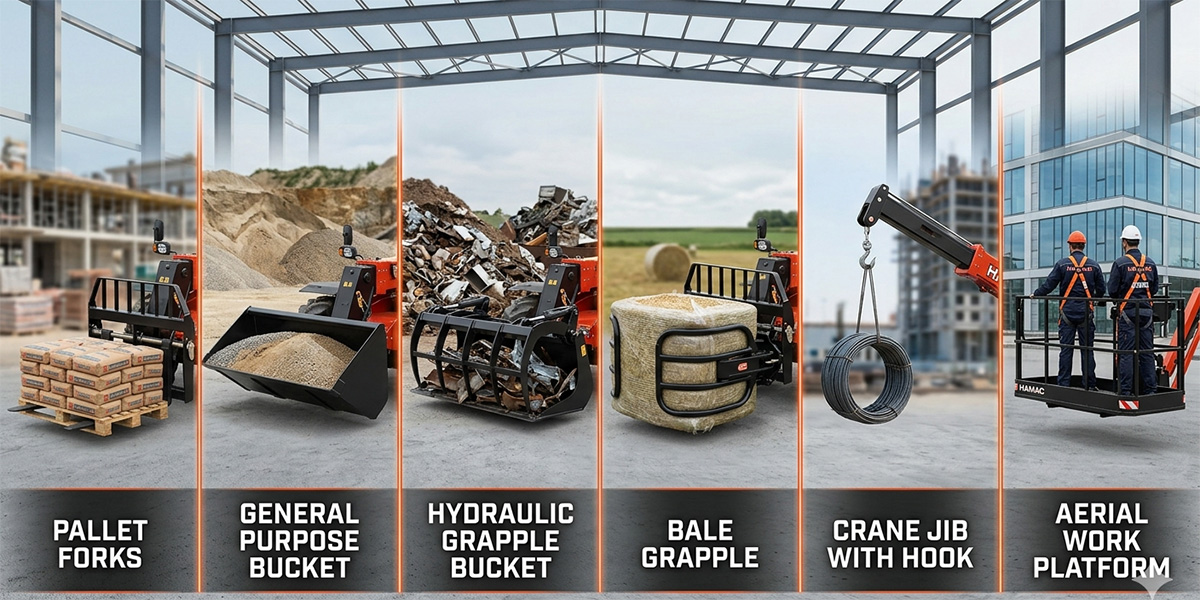
Telehandler attachments allow a single telescopic handler to work as a forklift, loader, lifting machine, agricultural material handler, and site-support machine. This flexibility can reduce the need for separate equipment and make it easier to adapt to changing work requirements.
On a construction site, a telehandler may unload pallets in the morning, lift structural components with a jib in the afternoon, and move aggregate with a bucket later in the day. On a farm, the same type of machine can handle feed pallets, stack bales, move grain, clean yards, and load trailers when fitted with compatible tools.
| Attachment Name | Application & Practical Uses |
|---|---|
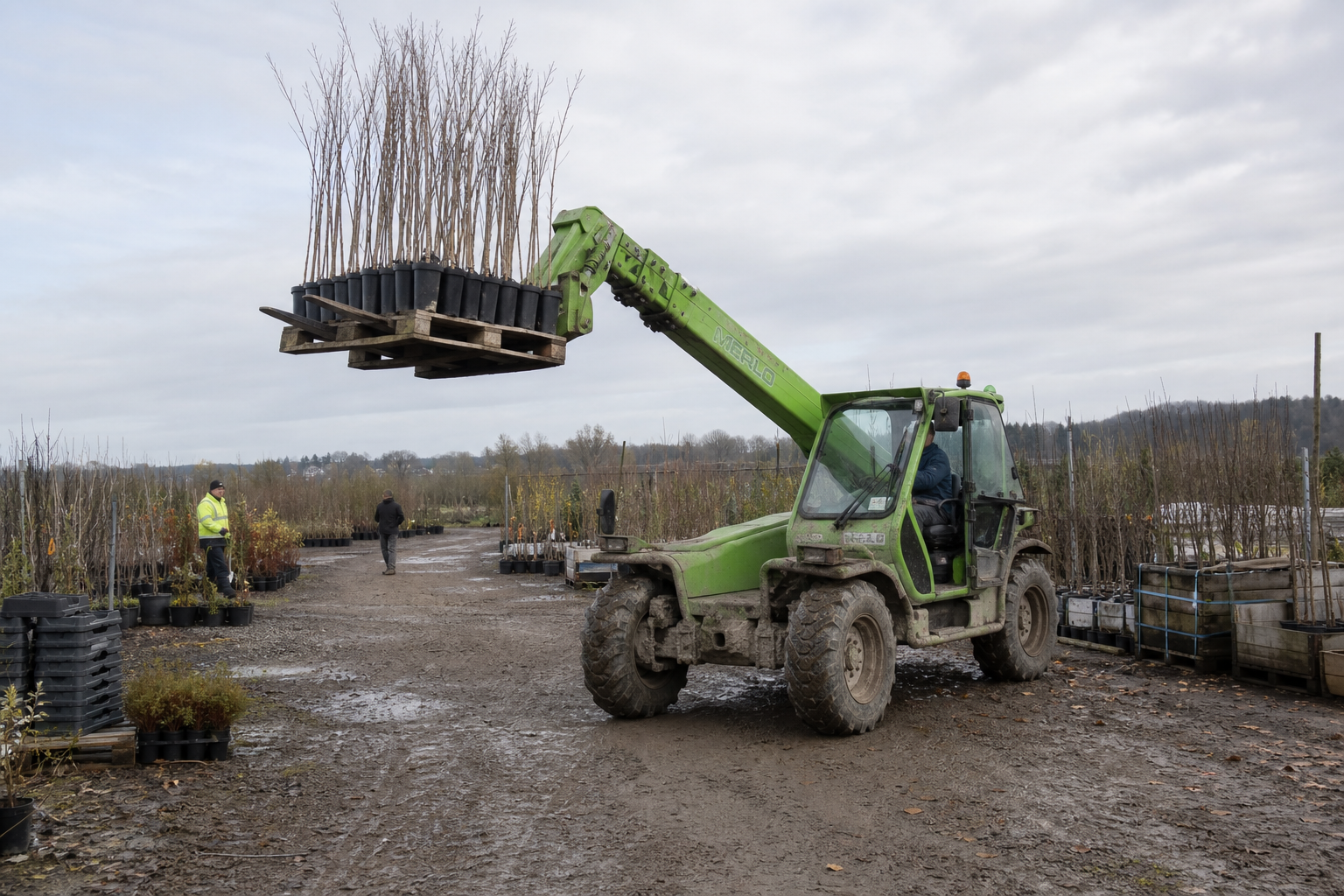
Pallet forks are the most widely used telehandler attachment for construction. They are designed to lift, transport, and place palletized materials at ground level or at height.
A telehandler bucket converts the machine into a practical loader for loose or bulk materials. It is especially useful where a separate wheel loader is not available or where one machine must perform both lifting and loading tasks.
A lifting jib, also called a crane arm, is used when the load must be suspended below the boom rather than carried on forks. It can help operators position loads around obstacles or place materials at precise points.
A work platform can provide elevated access for installation, inspection, maintenance, or finishing work. However, lifting personnel with a telehandler is subject to strict equipment, operating, training, and local regulatory requirements.
A concrete skip or material skip can be used to lift and place concrete, mortar, or other bulk materials closer to the point of use. It can be particularly helpful on multi-level construction projects where manual transport would be slow and labor-intensive.
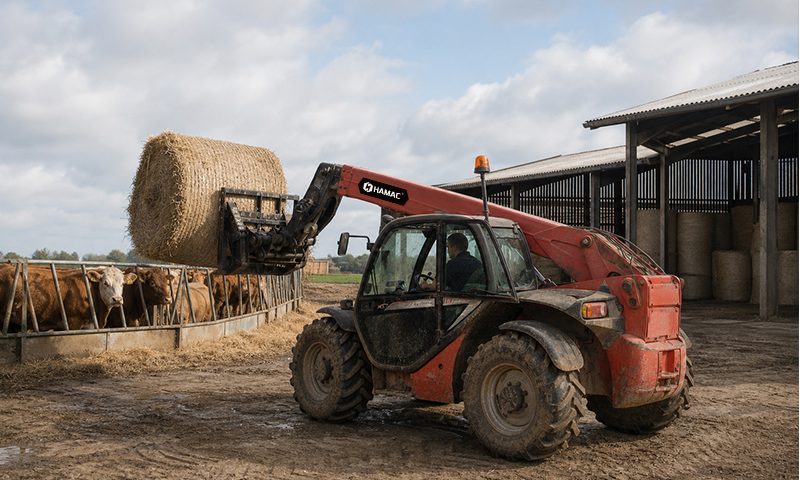
Bale forks and bale spears are essential agricultural telehandler attachments for handling round bales, square bales, hay, straw, and silage. They help farm operators stack bales, load trailers, and organize storage areas efficiently.
A bale grab or bale clamp is designed to hold wrapped bales securely without piercing the protective film. It is commonly used in silage operations where damaged wrapping can affect feed quality.
A grapple bucket combines the bulk-handling ability of a bucket with a hydraulic upper clamp. It can grip loose, irregular, bulky, or difficult-to-control materials.
A high-volume grain bucket is designed for lighter bulk materials that require more volume than a standard construction bucket. It is useful for moving grain, feed, wood chips, mulch, and similar low-density products.
Pallet forks remain one of the most useful attachments for agricultural operations. Farms frequently use pallets for bagged feed, fertilizer, seed, fencing materials, chemical drums, and packaged equipment.
The best attachment depends on the task, but safe selection always begins with machine compatibility. An attachment adds weight and may move the load further forward, changing the telehandler's available lifting capacity and stability.
Each attachment changes the way a telehandler handles, lifts, and travels. Operators should be trained for the attachment being used and must follow the machine manual, attachment manual, load chart, and jobsite safety rules.
The right attachment can turn a telehandler into a more versatile and productive machine. For construction, pallet forks, buckets, lifting jibs, and approved work platforms help teams manage materials from delivery through elevated placement. For farming, bale forks, bale grabs, grapple buckets, and grain buckets make it easier to handle feed, crops, bales, and loose agricultural materials.
HAMAC telehandlers can be configured with a wide range of compatible attachments, including pallet forks, buckets, crane arms, bale forks, grapple buckets, mixer buckets, road sweepers, snow blowers, and grass cutters. Talk to the HAMAC team about your material type, lift height, load weight, terrain, and preferred attachment to identify a suitable telehandler solution.
Pallet forks are the most common telehandler attachment because they are used to lift and transport pallets of construction materials, bagged goods, agricultural supplies, and other unitized loads.
Yes. A compatible bucket can allow a telehandler to move loose materials such as sand, gravel, soil, grain, feed, mulch, and light debris. The attachment weight and material density must be considered when checking the applicable load chart.
Bale forks or bale spears are commonly used for hay and straw. For wrapped silage bales, a bale grab or bale clamp is often preferred because it can hold the bale without puncturing the protective wrapping.
No. Only use attachments that are approved and compatible with the specific telehandler model. The attachment must match the mounting system, hydraulic capability, and relevant machine-and- attachment load chart.
Yes. Attachments add weight and may increase the load centre, which can reduce the available lifting capacity. Always use the official load chart for the exact machine and attachment configuration.
Need pallet forks for building materials, a bucket for loose aggregates, a jib for suspended loads, or a bale attachment for agricultural work? Contact HAMAC with your telehandler model, load type, attachment requirement, and working conditions for configuration support.
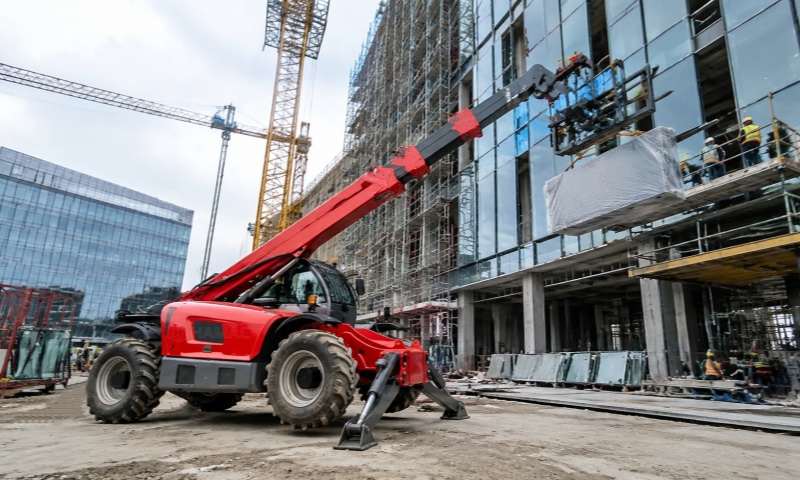
On a commercial building project, an HT4010 telehandler is used to assist facade and curtain wall ins
Free Consultation >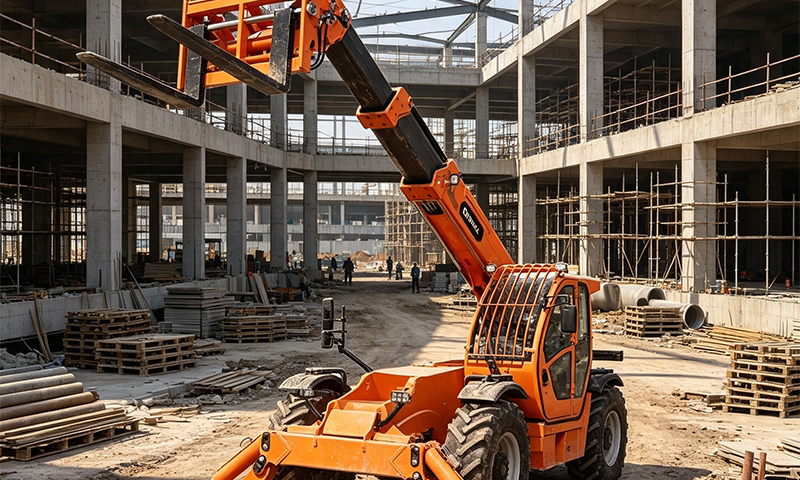
This case study describes how an HT5014 telehandler supports outdoor storage rack replenishment besid
Free Consultation >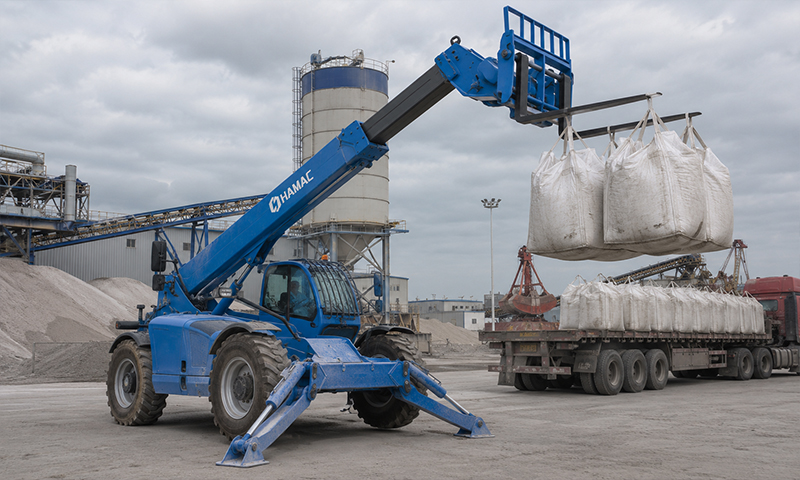
At inland port terminals, a high‑capacity telehandler is used to transfer bulk materials between tr
Free Consultation >Please fill out the form, and we can satisfy any of your needs including equipment selection, scheme design, technical support, or after-sales service. We will contact you as soon as possible.