FD60‑RT
Rough Terrain Forklifts
Rated load capacity: 6,000 kg
Maximum lift height: approx. 3,000–4,500 mm
Consult now






Peru is the world's third-largest copper producer and ranks second in silver and zinc, with mining accounting for roughly 8.5% of GDP and about two thirds of total exports. Most large operations sit high in the Andes. When a haul truck, crusher or loader stops, the repair clock starts—and the race between downtime cost and geographic distance begins.
A rough terrain telehandler can shorten that race. It unloads incoming parts at the yard, transports them over unpaved mine roads, and lifts or reaches into positions that a warehouse forklift or a waiting crane cannot cover. This guide explains how to match a telehandler and its attachments to mining maintenance and spare parts handling in Peru.
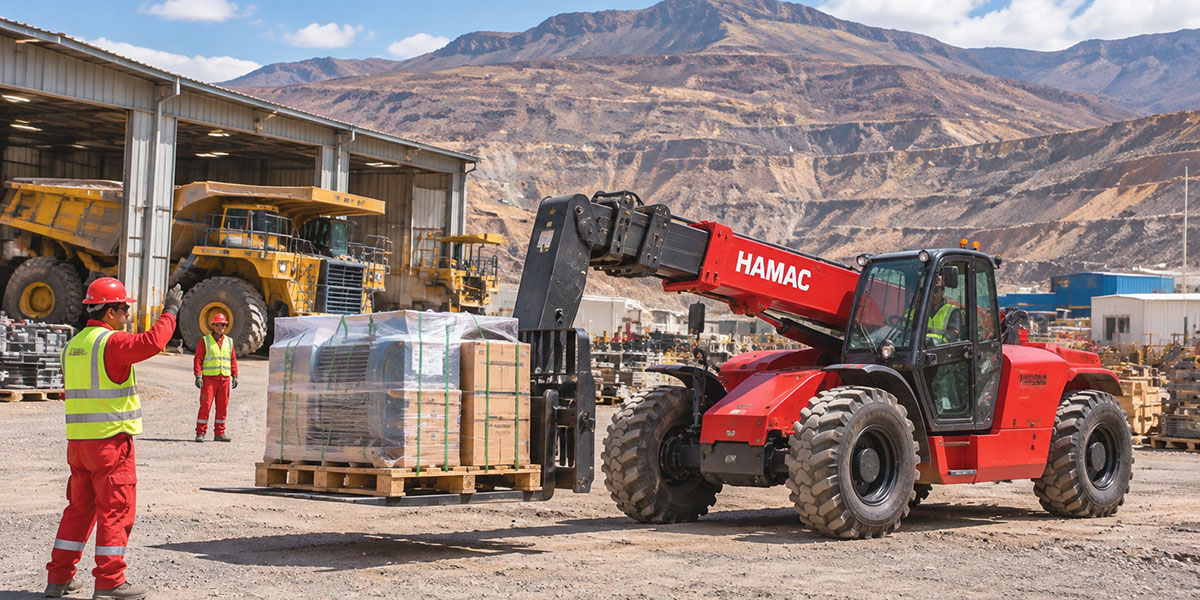
In Peru, environment variables decide equipment selection before tonage does. A machine that works in Lima will not automatically perform at 4,000 m on an unpaved Andean haul road.
| Site Condition | Impact on Equipment | What to Confirm Before Buying |
|---|---|---|
| Altitudes of roughly 3,500–4,700 m | Thin air derates diesel engines by 20–35%, increasing fuel use and slowing response. | High-altitude engine configuration, turbocharger suitability and cold-start support. |
| Night temperatures down to around −15°C | Cold starts become a daily maintenance issue. | Preheating options, battery capacity and low-temperature hydraulic oil. |
| Unpaved roads, long gradients, rainy season | Traction, braking and tire wear differ from flat, hard yards. | 4x4 drive, tire specification, gradient capability and loaded downhill braking. |
| High dust and daily temperature swings | Air filters clog faster; seals and hoses age quicker. | Filter service intervals, sealing quality and hose condition checks. |
| Parts and fuel transported over long mountain routes | Fuel contamination in transport is a documented Andes mine problem. | Fuel filtration, wear-parts kits and realistic spare-parts lead times. |
For reference on altitude, major Peruvian mining operations work at 3,700–4,700 m, where reduced air density can derate diesel engines by 20–35%—see UL Solutions' high-altitude energy modeling overview for Peru. Altitude affects engine power and response, not the rated capacity itself; the high-altitude setup of any machine must be confirmed with the supplier for the specific mine elevation.
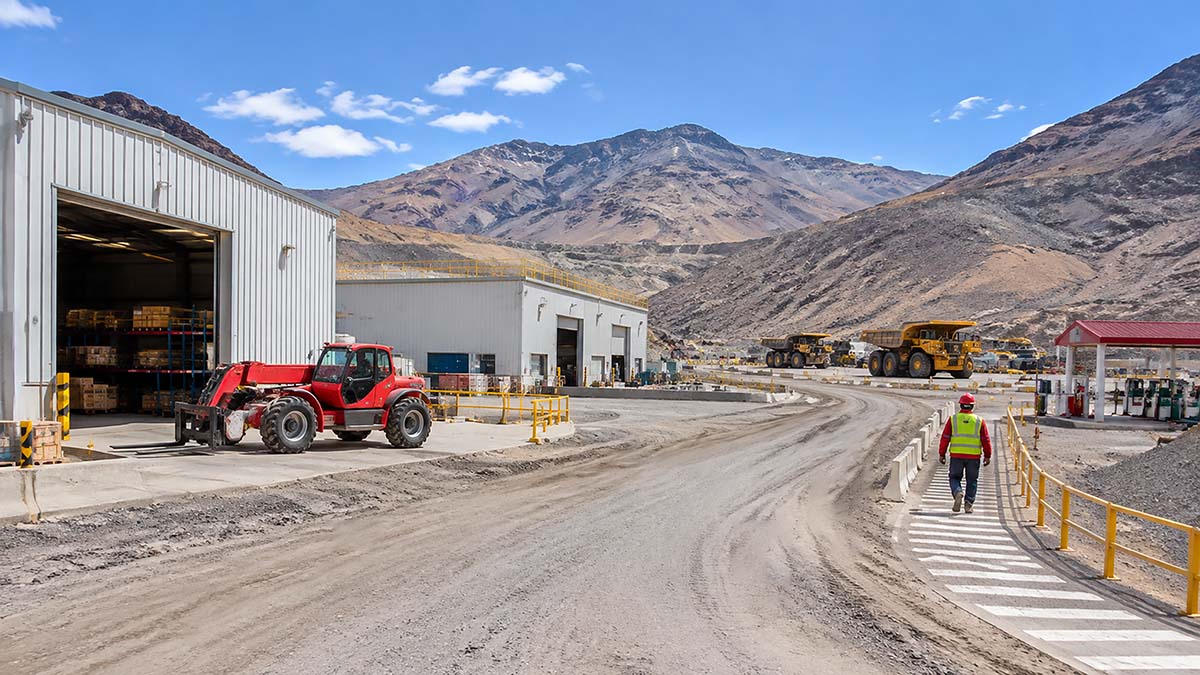
A telehandler becomes a maintenance tool only when the attachment matches the task. These are the scenarios mine maintenance teams should map before ordering.
| Maintenance Scenario | Equipment Direction | Attachment | How the Attachment Is Used |
|---|---|---|---|
| Workshop component lifting: crusher liners, motors, gearboxes | Telehandler, 3.5–5 t class depending on part weight and reach | Approved lifting jib or hook | Boom extension places components across equipment decks or pit edges, reducing waiting for overhead cranes; suspended loads follow the site lifting procedure and jib-specific load chart. |
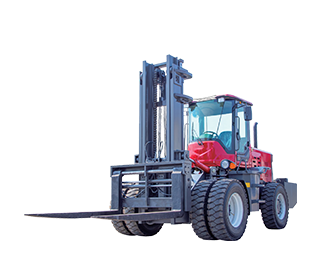
| Spare parts warehouse and laydown yard transfer | Rough terrain forklift for routine pallet runs | Pallet forks, side shift | Daily moves of palletized parts and bagged reagents between warehouse, workshop and equipment yard over gravel and compacted ground. |
| Truck and container unloading | Telehandler or rough terrain forklift | Forks with fork positioner | Operator adjusts fork spacing from the seat for mixed pallet sizes inside containers, reducing re-entry cycles. |
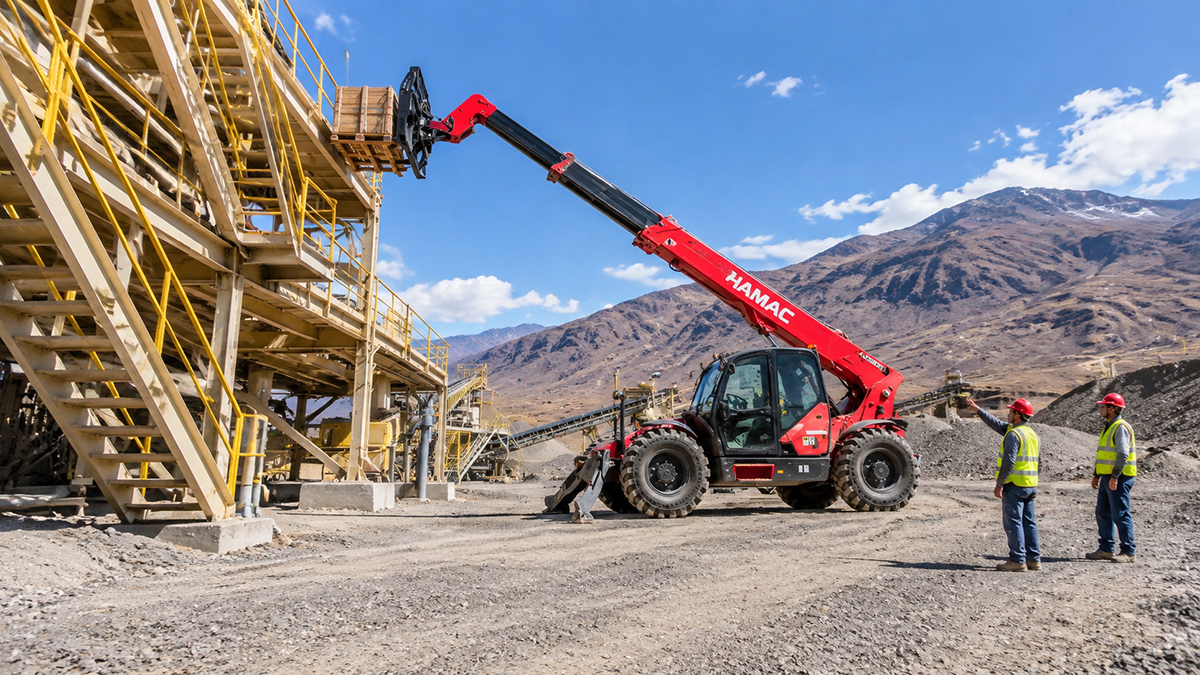
| Working at height: plant lighting, conveyor gallery inspection | Telehandler with certified platform approval | Certified work platform | Replaces scaffolding for short inspection and lighting jobs; requires machine-specific platform approval, fall protection and compliance with local regulations. Standard forks must never lift personnel. |
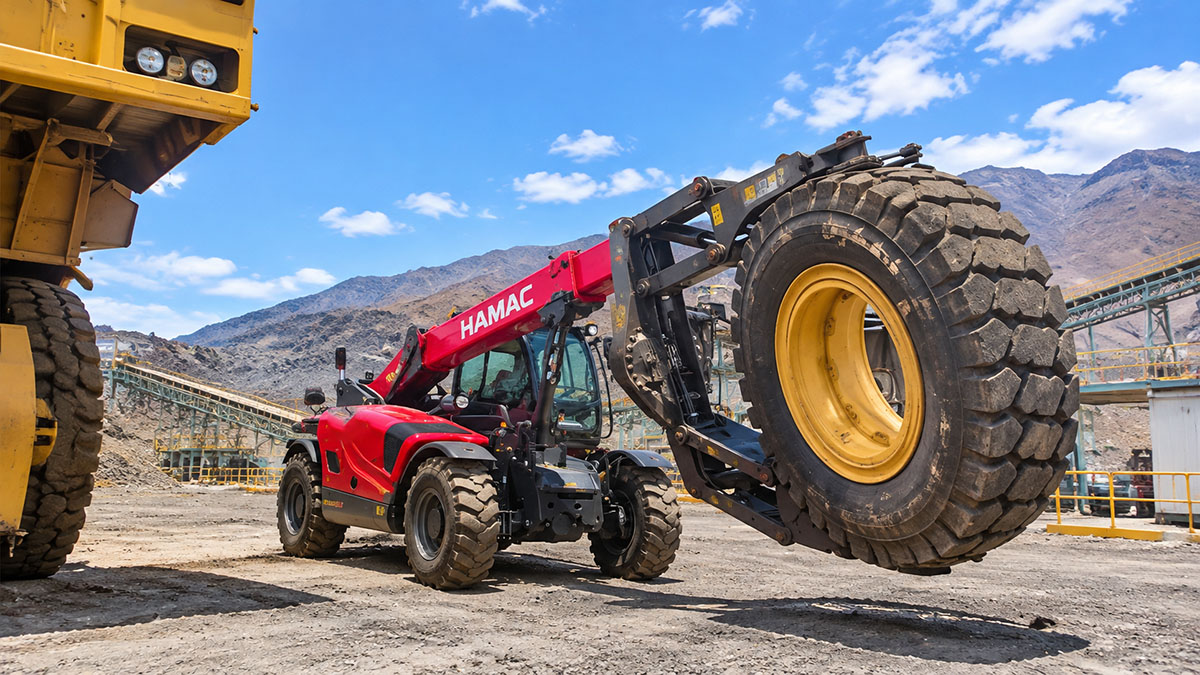
| Round components: haul truck tires, cable and rope drums | Telehandler, 5 t class for heavy tires | Tire handler or drum clamp | Dedicated clamps grip round loads that pallet forks cannot support stably, then place them onto tire racks or drum stands at reach. |
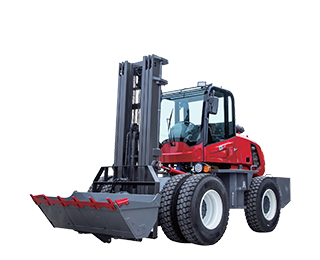
| Yard cleanup: spillage, scrap steel | Telehandler or forklift with bucket or grapple | Bucket, grapple | Levels workshop-area ground and sorts scrap for loading, reducing dependence on a separate wheel loader. |
One telehandler with two or three approved attachments often covers 80% of these tasks. It reduces some crane call-outs and scaffold erection, though it does not replace overhead cranes, heavy lifting equipment or compliant personnel-lifting setups where those are required.
Use a task-first process instead of buying by nominal capacity:
| Step | What to Do |
|---|---|
| 1 | List the ten heaviest routine handling tasks with actual weight, dimensions, required height and forward reach. |
| 2 | Identify which two or three attachments cover most tasks. |
| 3 | Check the heaviest task against the combined machine-and-attachment load chart—not the bare truck rating. |
| 4 | Add the Peru environment checks: altitude configuration, road gradients, dust and fuel filtration. |
| 5 | Confirm mine entry requirements and documentation before delivery. |
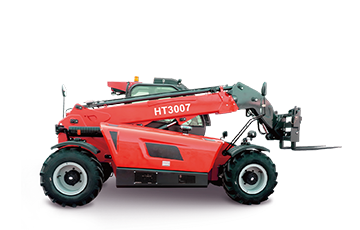
For typical configurations, evaluate HT3510 (3,500 kg, 10 m) as the medium-mine sweet spot for general parts and platform work, HT4014 (4,000 kg, approx. 14 m) for heavier components and longer reach, and HT5018 (5,000 kg, approx. 18 m) for heavy parts, tire handling and high placement. See the full HAMAC telehandler range. For routine pallet logistics between warehouse and workshop, a rough terrain forklift such as the FD30-RT or larger models in the FD rough terrain forklift series can handle daily runs at lower operating cost.
HAMAC has applied the HT5018 in an open-pit mine workshop to handle heavy parts, tools and support equipment—see HAMAC mining and quarry cases. Whatever the model, operators should complete the telehandler daily inspection checklist before every shift, especially for tires, boom, attachments, hydraulics, brakes and steering on dusty mine roads.
At a remote mine, the strongest equipment specification is worthless without parts support. Fuel transported over long mountain routes gets contaminated more often, forcing shorter filter service intervals—this is a documented issue at Andean mine sites, as described in Perkins' Andean gold and silver mine case study. Plan a wear-parts kit covering filters, hoses, fork-lock components and other consumables from day one.
HAMAC supports Peru customers through its local office and can align the configuration with your mine's altitude, road conditions and entry requirements before shipment.
Send HAMAC your mine altitude, your ten heaviest routine handling tasks, required lift height and reach, access route photos and site entry requirements. Request a telehandler-and-attachment configuration, high-altitude setup confirmation and an itemized quotation for Peru.
Request a Mining Telehandler Recommendation and Quote
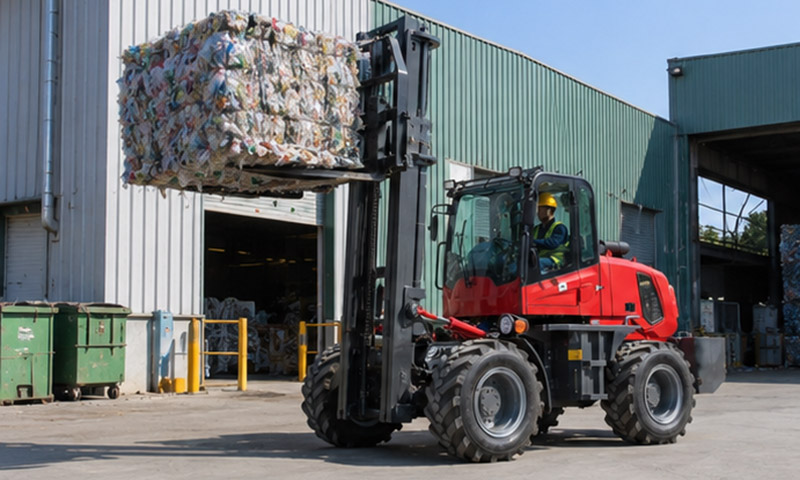
At a recycling plant, a HAMAC FD40-RT articulated rough terrain forklift is used to handle compressed
Free Consultation >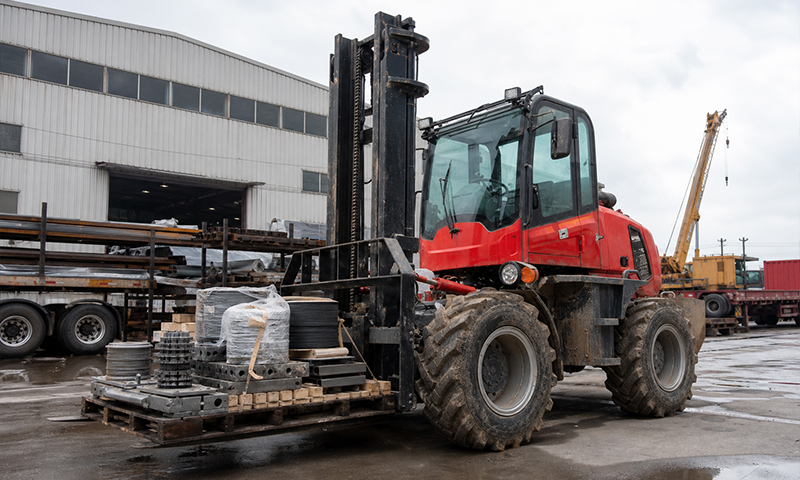
In heavy warehouse and production environments, a rough terrain forklift is used to move large pallet
Free Consultation >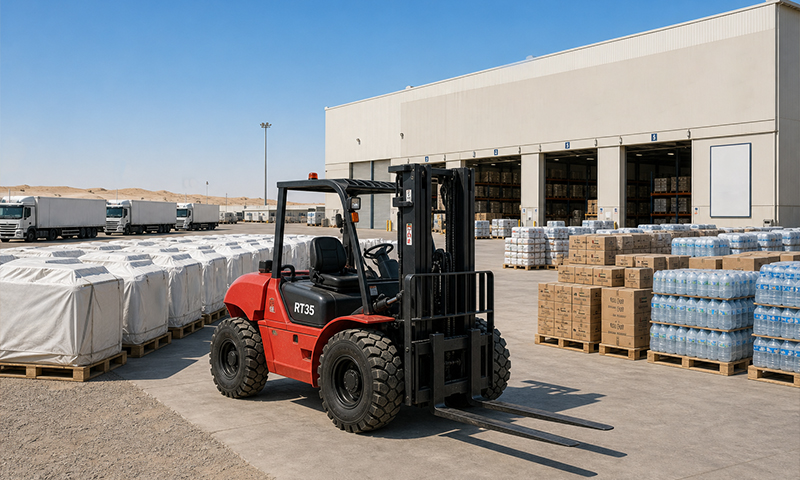
Results and Benefits By deploying RT35 forklifts, the humanitarian logistics hub achieved several key
Free Consultation >Please fill out the form, and we can satisfy any of your needs including equipment selection, scheme design, technical support, or after-sales service. We will contact you as soon as possible.