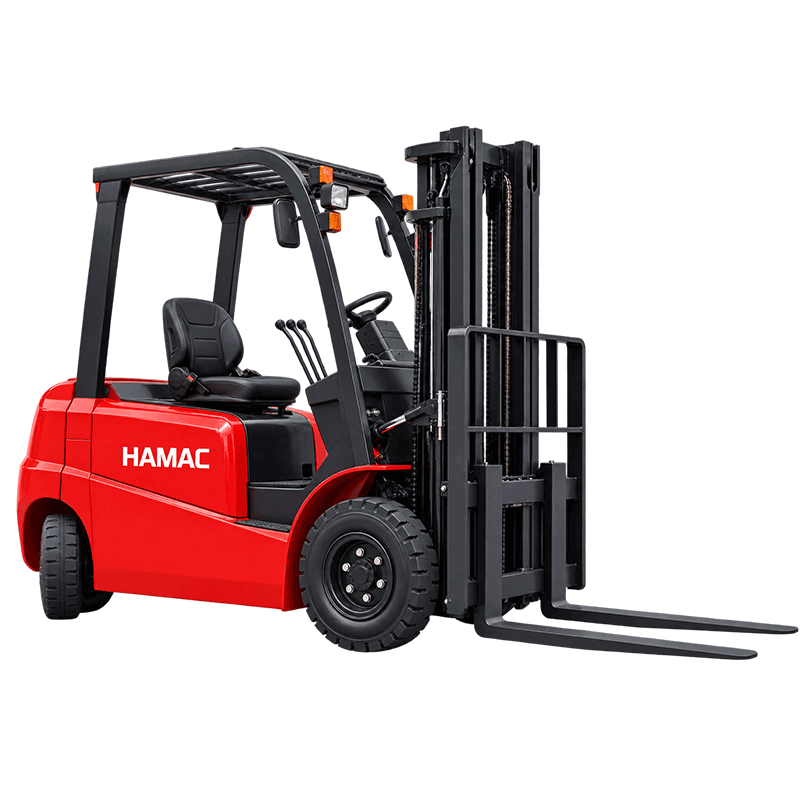
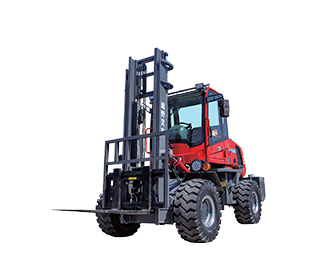
FD35‑RT
Rough Terrain Forklifts
Rated load capacity: 3,500 kg
Maximum lift height: 4,500 mm
Consult now






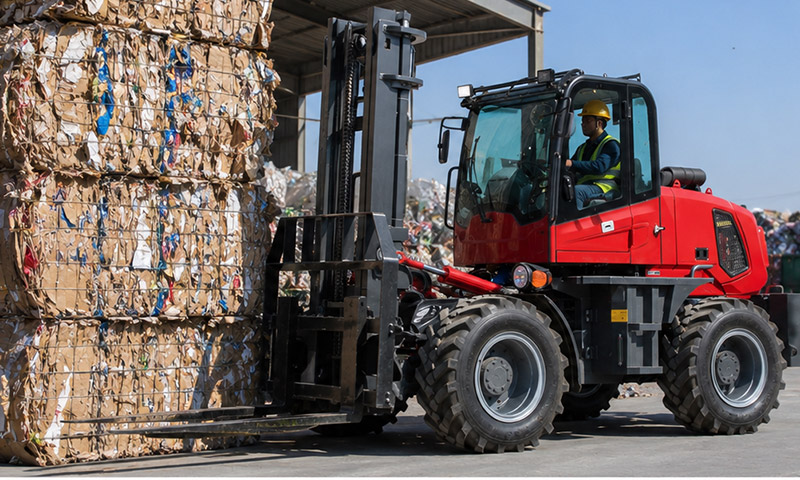
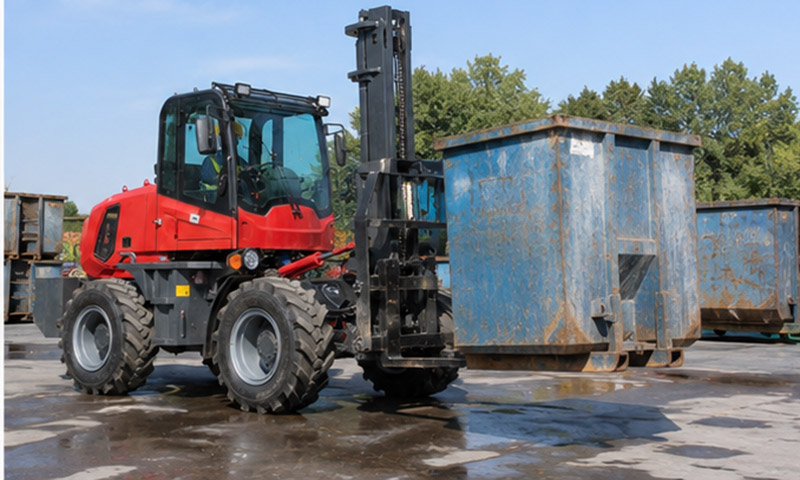
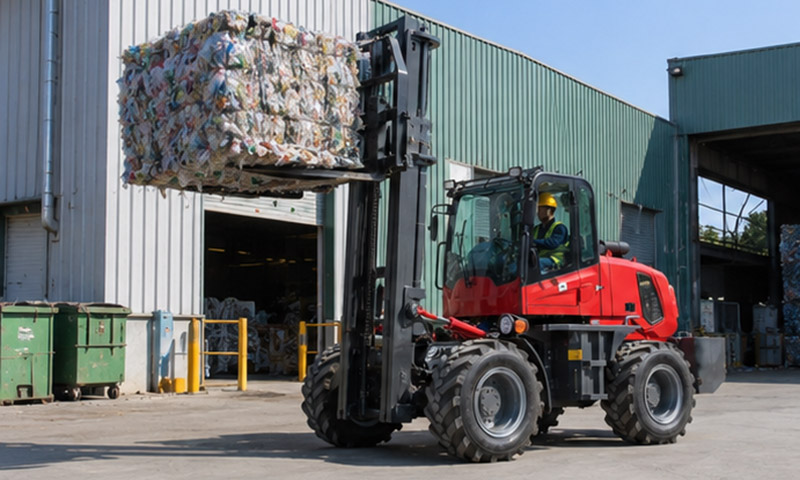
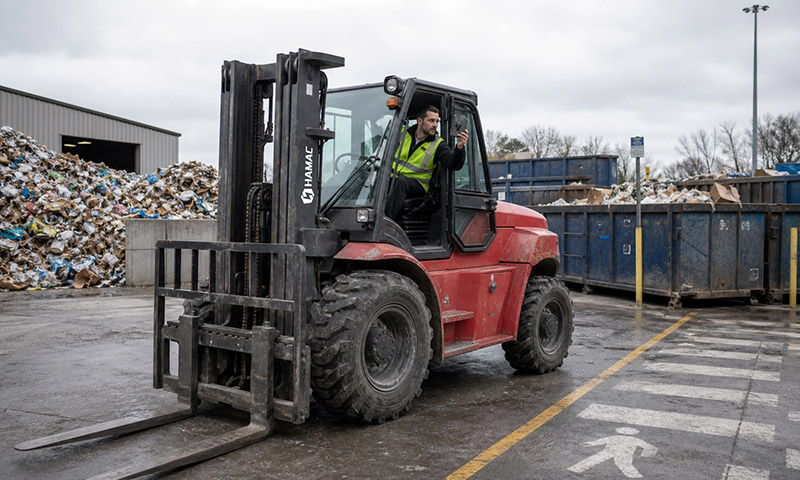
At a recycling plant, a HAMAC FD40-RT articulated rough terrain forklift is used to handle compressed bales and forklift bins across outdoor yards and loading zones. The machine supports daily movement of baled paper, cardboard, plastics and mixed recyclables.
With diesel 4WD, an articulated frame, double-wheel configuration and high ground clearance, the FD40-RT can travel on rough, debris-covered surfaces where standard warehouse forklifts are not suitable. This helps keep bale and bin flows stable in demanding yard conditions.
The customer operates a recycling plant processing mixed dry recyclables into compressed bales and sorted fractions. The site includes baler halls, outdoor bale storage, bin collection areas and truck loading bays.
Finished bales and bins of material must be moved regularly between processing lines, storage stacks and shipping points. The plant required a rough terrain forklift capable of handling 4–5 ton loads over uneven ground with good manoeuvrability.
Compressed bales are dense and heavy, and bale stacks can be high. Forklift handling must ensure stability and precise placement to avoid damage or collapse of stacks.
Outdoor yards and loading areas often have broken concrete, compacted debris, puddles and rough patches. Traction, ground clearance and stability are critical to prevent tip-overs and maintain control.
Bins and containers with loose recyclables can have shifting loads, making careful handling and suitable attachments (such as rotators or bin forks) important for safe tipping and transport.
Recycling plants target high throughput, so delays in bale or bin handling can create bottlenecks at balers, storage areas or shipping docks, directly impacting productivity.
The plant selected the HAMAC FD40-RT articulated rough terrain forklift, a diesel-powered machine designed for outdoor industrial use. Its articulated frame improves manoeuvrability in narrow yard lanes between bale stacks and bins.
The FD40-RT is equipped with four-wheel drive, deep-tread tyres and high ground clearance, giving it strong traction and stability on rough yard surfaces. The lifting capacity around the 4–5 ton range allows safe handling of heavy bales and loaded bins.
In daily operation, the FD40-RT transports finished bales from baler discharge points to outdoor storage stacks. Operators position bales accurately to build stable piles and maintain clear access lanes.
The forklift also moves forklift bins and waste containers between collection points, sorting areas and tipping stations. With suitable attachments such as bale clamps or bin rotators, it can secure and tip loads as required.
When trucks arrive for outbound shipments, the FD40-RT loads bales into trailers or containers in the yard, working on surfaces that may include patched concrete and compacted debris. Its off-road capability helps maintain steady loading cycles.
The same machine supports yard housekeeping by relocating empty bins, moving bulk scrap containers and assisting maintenance teams with heavy items around the site, increasing its utilisation across plant logistics.
Operators are trained on FD40-RT operation, including articulated steering behaviour, driving on uneven ground and handling dense bales and bins. They follow load charts and ensure loads remain within the forklift’s rated capacity.
Daily inspections focus on tyres, articulation joint, mast, forks, hydraulics and brakes, as well as attachments like bale clamps or rotators. Yard routes are planned to avoid unstable surfaces and to maintain safe separation from other equipment and pedestrians.
Spotters assist when stacking bales high or tipping bins near other structures, helping maintain clear communication and safe clearances. Dust and debris control measures support visibility and reduce slip hazards.
Using the HAMAC FD40-RT rough terrain forklift improves the efficiency and safety of bale and bin handling in the recycling plant. Bales and containers can be moved reliably across rough yards without relying solely on indoor forklifts or larger loaders.
The plant benefits from better control of bale stacking, bin movement and truck loading, supporting higher throughput and smoother operations. The FD40-RT’s articulated design and rough-terrain performance reduce downtime caused by poor yard conditions.
Overall, the FD40-RT enhances productivity, stability and flexibility in recycling plant bale and bin handling by combining strong lifting capacity with off-road mobility and suitable attachment options.
"If you have projects with similar lifting requirements, our team can recommend the right HAMAC telehandler or forklift configuration."
Please fill out the form, and we can satisfy any of your needs including equipment selection, scheme design, technical support, or after-sales service. We will contact you as soon as possible.