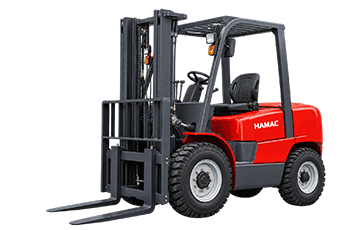
FD50‑RTD
Rough Terrain Forklifts
Rated load capacity: 5,000 kg
Maximum lift height: approx. 4,500–6,000 mm
Consult now






Строительство стальных конструкций зависит от быстрого и организованного движения материалов. От разгрузки грузовиков до доставки материалов на уровень крыши подрядчики должны безопасно перемещать стальные прогоны, кровельные панели, утеплитель, комплекты лесов, болты, инструменты и материалы на поддонах в условиях постоянно меняющейся обстановки на строительной площадке.
Телескопический погрузчик для монтажа стальных конструкций помогает подрядчикам разгружать материалы, передвигаться по пересеченной местности и размещать разрешённые грузы на возвышенных участках или в зонах с удлинённым вылетом. Благодаря телескопической стреле, шасси 4x4 и гибкому управлению строительный телескопический погрузчик может обеспечивать повседневную логистику на строительной площадке более эффективно, чем обычный складской вилочный погрузчик.
Телескопические погрузчики чрезвычайно эффективны для повседневной погрузочно-разгрузочной работы, разгрузки грузовиков и размещения разрешенных грузов. Монтаж критически важных стальных балок, возведение несущих колонн и подъем подвесных грузов должны всегда осуществляться в соответствии с инженерным планом подъема, официальной таблицей нагрузок на машину, утвержденным навесным оборудованием и применимыми местными требованиями безопасности.
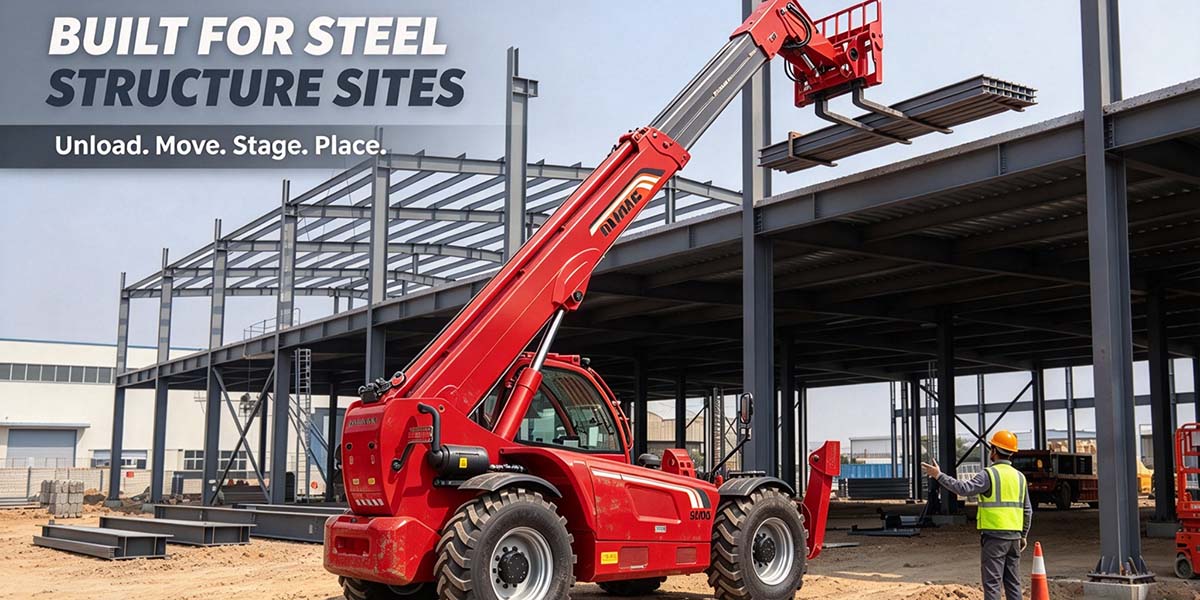
При реализации проекта по строительству стального здания основной кран должен использоваться для выполнения критически важных операций по подъему конструкций. Телескопический погрузчик для пересеченной местности может выполнять множество повторяющихся задач по перемещению материалов, включая разгрузку грузовых автомобилей, перемещение материалов по строительной площадке, подготовку материалов вблизи зоны монтажа и доставку кровельных материалов на возвышенные рабочие зоны.
| Задачи при строительстве стальных конструкций | Типичные материалы | Преимущества телескопического погрузчика |
|---|---|---|
| Разгрузка грузовиков | Стальные прогоны, кровельные панели, утеплитель, комплекты строительных лесов и поддоны с болтами | Помогает быстро освободить место от транспортных средств и организовать зону хранения материалов. |
| Транспортировка по пересеченной местности | Строительные материалы, инструменты и монтажные приспособления на поддонах | Полный привод 4x4 обеспечивает движение по гравию, утрамбованному грунту и временным строительным дорогам. |
| Поставка кровельных материалов | Кровельные панели, комплекты утеплителя, крепеж и монтажные инструменты | Позволяет размещать разрешённые грузы ближе к краю крыши или на возвышенной рабочей площадке. |
| Организация строительной площадки | Металлоконструкции, поддоны и упакованные материалы | Сокращает количество повторяющихся ручных операций и улучшает доступ для монтажных бригад. |
Такой рабочий процесс позволяет сократить ненужное время ожидания крана и помогает бригадам, занимающимся монтажом стальных конструкций, получать материалы ближе к месту использования. Для подъема кровельных панелей, перемещения стальных прогонов и строительства промышленных зданий по-прежнему необходимо выбирать подходящую технику с учётом реальной нагрузки, требуемой высоты подъёма и вылета вперед.
Строительные площадки с металлическим каркасом часто характеризуются неровной поверхностью, узкими подъездными путями, штабелями материалов, строительными лесами и рабочими зонами на высоте. Телескопический погрузчик сочетает в себе возможности погрузчика вилочного типа с вертикальным подъемом и вылетом вперед, помогая подрядчикам перемещать материалы там, где использование стандартного вилочного погрузчика может быть нецелесообразным.
| Технология телескопических погрузчиков | Применение на сталестроительных объектах | Преимущества для заказчика |
|---|---|---|
| Телескопическая стрела | Поднимает и размещает материалы выше или дальше вперед, чем стандартный вилочный погрузчик. | Обеспечивает размещение материалов на большом расстоянии вблизи краев крыш, платформ и приподнятых рабочих зон. |
| Привод 4x4 для бездорожья | Двигается по гравию, уплотнённому грунту и неровным поверхностям строительной площадки. | Улучшает доступ между зонами разгрузки грузовиков, хранения материалов и монтажа. |
| Четырёхколесное рулевое управление и «крабовый» режим | Обеспечивает маневрирование вокруг стальных колонн, линий строительных лесов и на участках с ограниченным доступом. | Помогает оператору эффективно позиционировать машину в перегруженных строительных зонах. |
| Сертифицированное навесное оборудование | Использует вилы для поддонов при работе с упакованными материалами и сертифицированное навесное оборудование для выполнения определенных задач. | Обеспечивает выполнение различных задач по перемещению материалов с помощью одной конфигурации машины. |
| Управление грузом и руководство по таблице грузоподъёмности | Обеспечивает соответствие фактических условий работы допустимой грузоподъёмности. | Помогает операторам планировать подъемные работы в пределах утвержденной рабочей зоны машины. |
телескопический погрузчик HAMAC HT3510 обладает номинальной грузоподъёмностью 3 500 кг, максимальной высотой подъёма 10 м, полным приводом 4x4 для бездорожья и четырехколесным/крабовым рулевым управлением. Он подходит для стальных зданий средней высоты, доставки кровельных материалов, работы с строительными лесами и повседневной строительной логистики.
Для более высоких точек размещения, тяжелых грузов и крупных промышленных проектов предназначен телескопический погрузчик HAMAC HT5014 с номинальной грузоподъёмностью 5 000 кг, максимальной высотой подъёма 14 м, приводом 4x4 и четырехколесным рулевым управлением. Окончательную рабочую грузоподъёмность необходимо уточнять с помощью соответствующей таблицы нагрузок с учётом точного положения стрелы и конфигурации навесного оборудования.
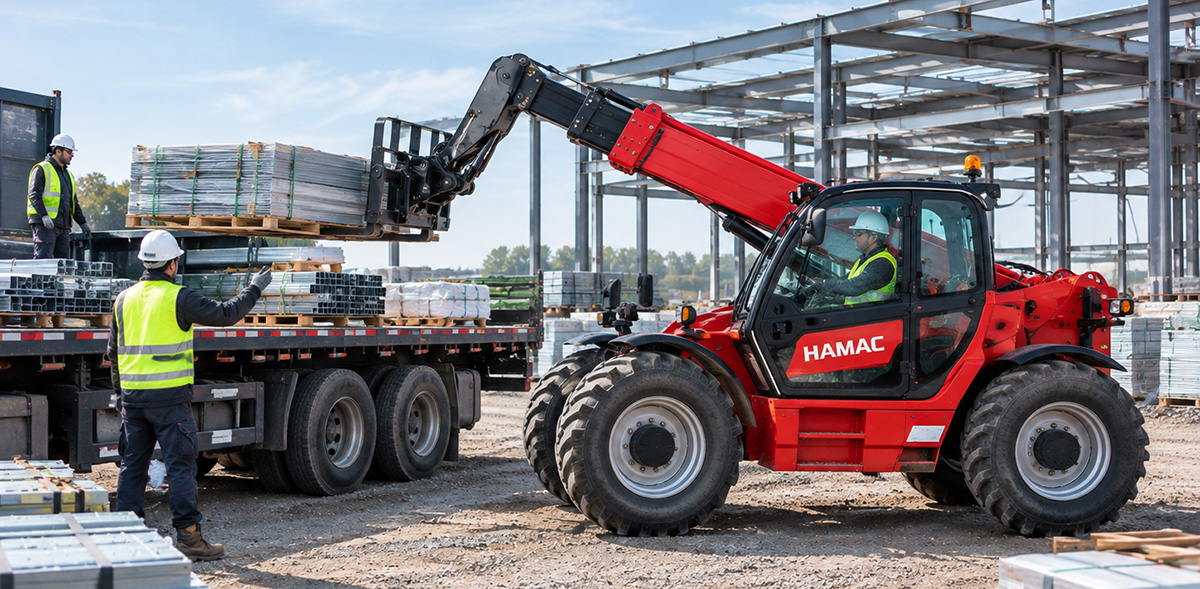
| Требования к проекту | Телескопический погрузчик HT3510 | Телескопический погрузчик HT5014 |
|---|---|---|
| Номинальная грузоподъемность | 3,5 т | 5 т |
| Максимальная высота подъема | 10 м | 14 м |
| Рекомендуемые виды работ | Стальные здания средней высоты, склады, кровельные панели, комплекты строительных лесов и материалы на поддонах. | Высокие промышленные сооружения, тяжелые грузы, складское хранение на высоте и размещение грузов на большом расстоянии. |
| Ключевое преимущество | Гибкая повседневная погрузочно-разгрузочная работа с высокой маневренностью в ограниченных пространствах. | Большая грузоподъёмность, более высокая точка укладки и больший рабочий диапазон для сложных проектов. |
| Критерии выбора | Вес груза, ширина прохода, высота крыши и обычный поток материалов. | Вес груза, максимальная высота, вылет вперед, несущая способность грунта и доступное рабочее пространство. |
Выбирайте телескопический погрузчик с учётом максимальной реальной нагрузки, общей частоты погрузочно-разгрузочных работ, целевой высоты размещения, необходимого вылета вперед, веса навесного оборудования и условий на объекте. Телескопический погрузчик с вылетом 10 м может быть подходящим решением для погрузочно-разгрузочных работ со стальными строительными материалами, тогда как для работ на более высоких объектах промышленного строительства может потребоваться телескопический погрузчик с вылетом 14 м.
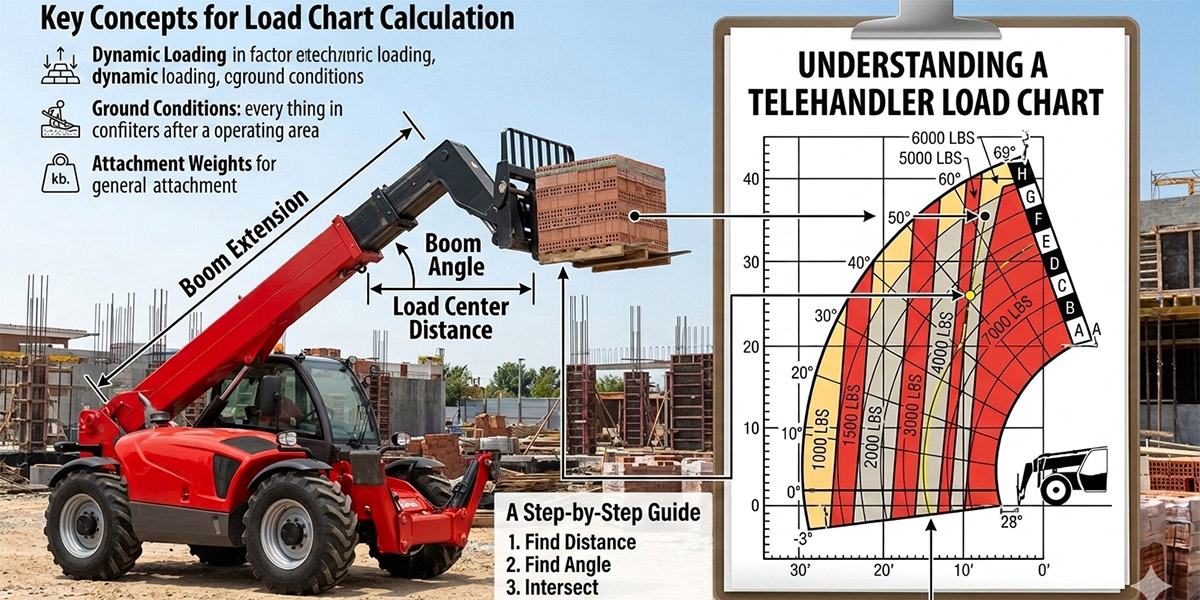
Номинальная грузоподъёмность, указанная в заголовке, не является грузоподъёмностью, доступной на любой высоте или при любом вылете стрелы. По мере подъёма или выдвижения стрелы вперед допустимая нагрузка, как правило, изменяется. Длинные стальные прогоны, поддоны, стальные стеллажи, вилы и навесное оборудование также могут смещать центр тяжести груза вперед и влиять на допустимую грузоподъемность.
| Проверьте перед подъемом | Почему это важно |
|---|---|
| Вес материала | Уточните фактический вес стальных материалов, кровельных панелей или строительных материалов на поддонах. |
| Общий поднимаемый вес | Включите поддоны, стеллажи, вилы, утвержденные навесное оборудование и подъемные приспособления. |
| Высота подъема | Более высокие положения стрелы могут снизить доступную допустимую грузоподъемность. |
| Вылет вперед | Более горизонтальное выдвижение стрелы может снизить допустимую нагрузку в точке размещения. |
| Центр тяжести груза | Длинные или нестандартные материалы могут смещать центр тяжести дальше от каретки. |
| Поверхность и рабочая зона | Работайте на твёрдой поверхности, держитесь подальше от траншей и склонов и соблюдайте зону безопасности вокруг места подъёма. |
Фактическое расчетное усилие подъема = вес груза + вес поддона или подставки + вес навесного оборудования + требуемая высота подъема + вылет вперед + центр тяжести.
Всегда используйте официальную таблицу грузоподъёмности, предназначенную именно для данной конфигурации телескопического погрузчика и навесного оборудования. Общее объяснение угла наклона стрелы, вылета и чтения таблицы грузоподъёмности см. по ссылке Руководство JLG по пониманию таблицы грузоподъёмности телескопического погрузчика .
Телескопический погрузчик HAMAC может обеспечить логистику проекта по возведению стальных конструкций — от разгрузки грузовиков и транспортировки по пересеченной местности до подачи кровельных материалов на большую высоту и организованной подготовки строительной площадки. Для безопасной и производительной работы подбирайте машину с учетом реального веса груза, высоты подъема, вылета вперед, навесного оборудования и состояния грунта, а не только исходя из номинальной грузоподъемности, указанной в названии модели.
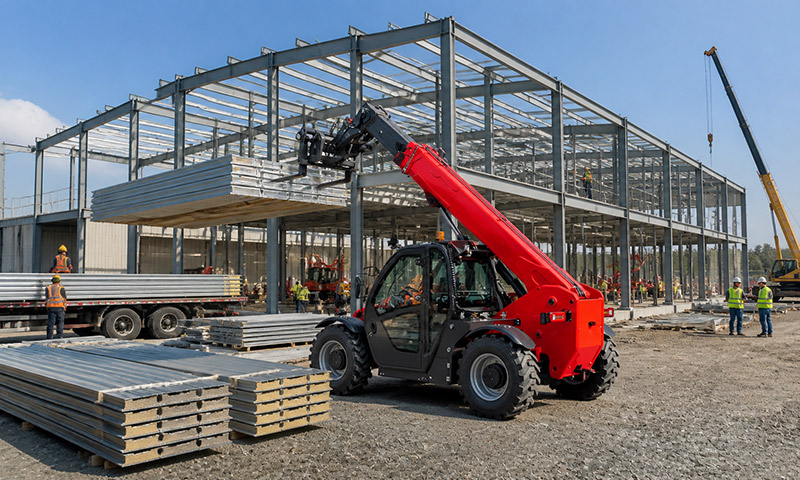
telehandler steel roof installation, HT2506 telehandler, steel structure roof truss handling, roof pa
Free Consultation >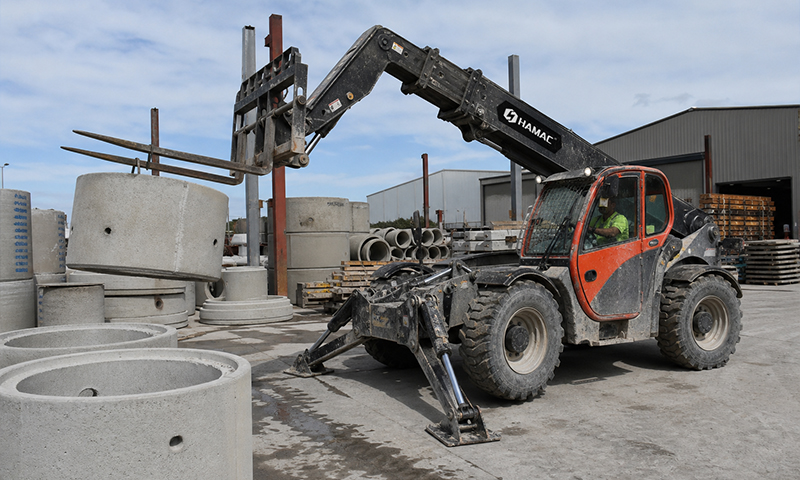
In a precast yard, an HT4010 telehandler is used to handle concrete pipes and manhole components, mov
Free Consultation >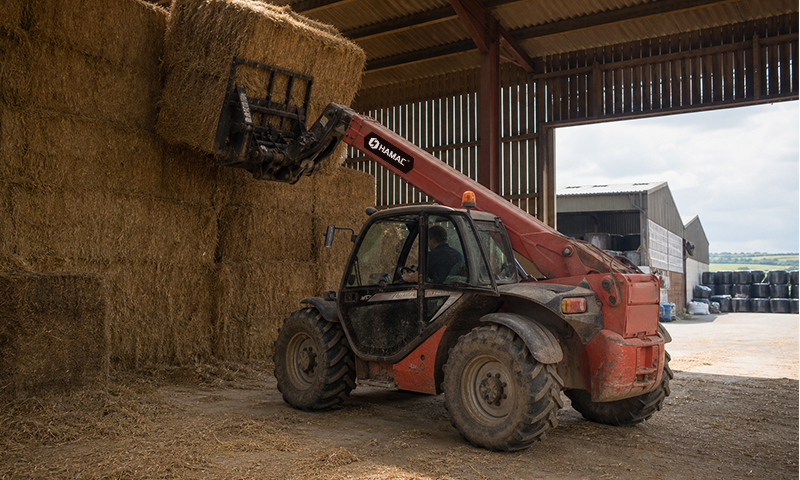
For hay bale stacking and feeding operations, an agricultural telehandler is used to move, stack and
Free Consultation >Please fill out the form, and we can satisfy any of your needs including equipment selection, scheme design, technical support, or after-sales service. We will contact you as soon as possible.