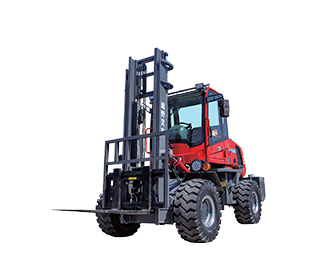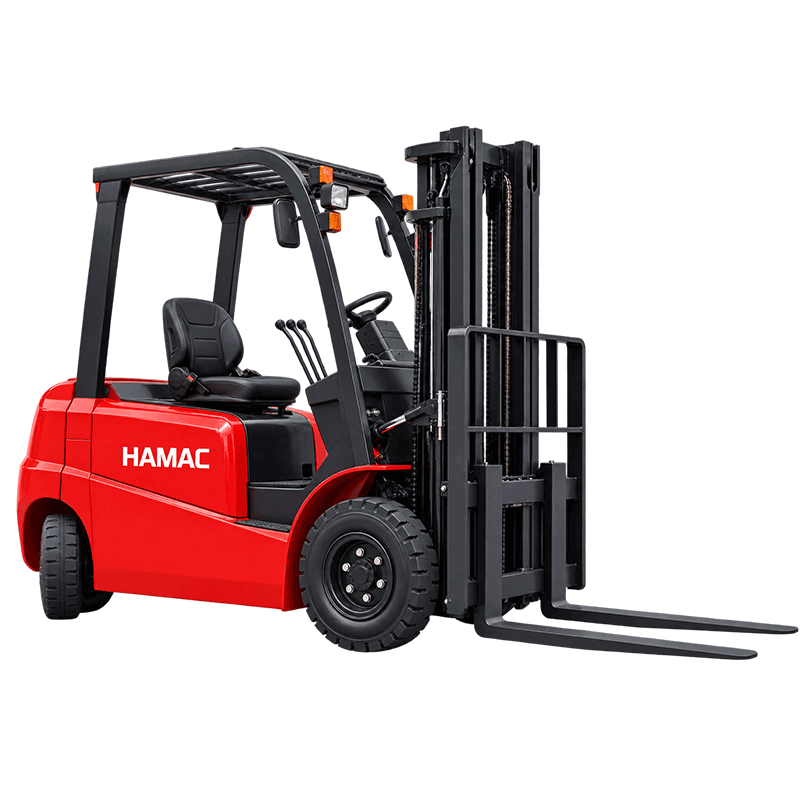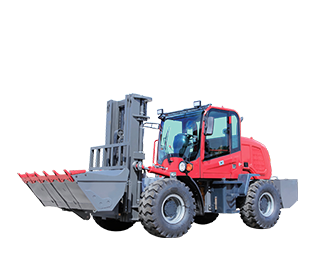
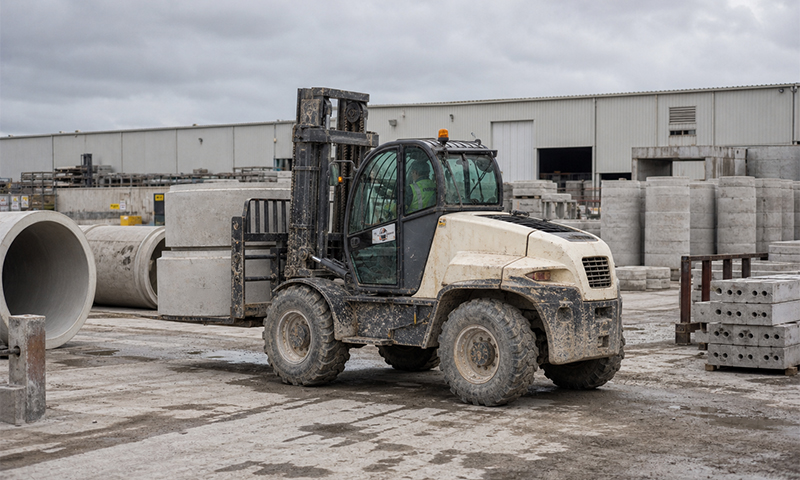
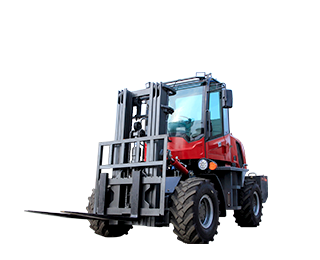
FD30-RT
Rough Terrain Forklifts
Rated load capacity: 3,000 kg
Maximum lift height: 4,500 mm
Consult now






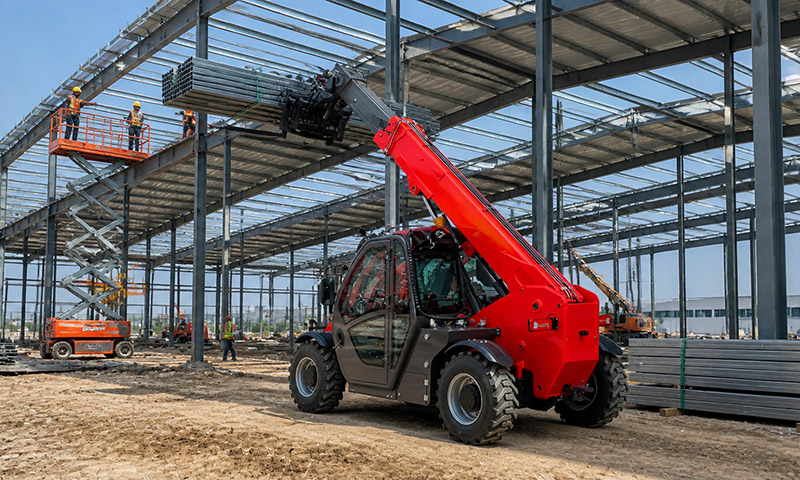
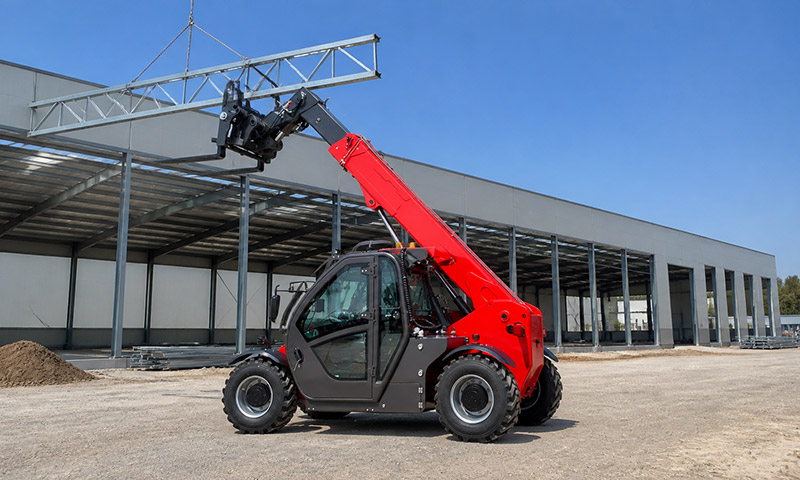
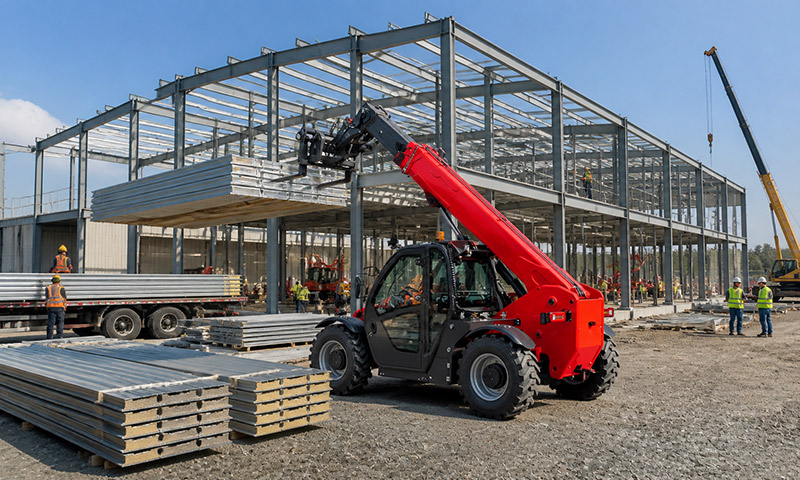
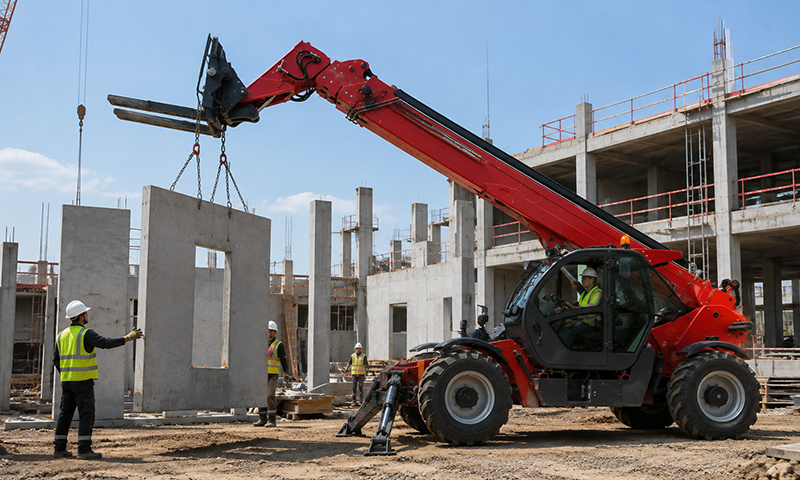
On a steel structure building project, an HT2506 telehandler is used as a flexible lifting machine for roof installation. The telehandler lifts roof trusses, steel purlins and metal roof panels from ground-level staging areas to the roof line, supporting erection crews as they assemble the steel structure and complete the roof.
Instead of relying on a large crane for every repetitive lift, the contractor uses HT2506 for most roof component handling tasks, reserving cranes for heavier or long-reach lifts. This approach shortens setup time and improves productivity during the roof installation phase.
The customer is a steel construction contractor building a single-storey industrial workshop with a steel frame and metal roof system. The project includes portal frames, roof trusses, purlins and long roof panels that must be installed safely and quickly to keep the schedule on track.
The site has compacted gravel and concrete areas around the building footprint, with limited space for crane positioning and component staging. Roof elements arrive on trucks and are unloaded near the structure, requiring repeated transport and lifting to the roof.
Frequent lifting of roof trusses, purlins and panels made relying solely on a large crane costly and time-consuming, especially for many repetitive lifts.
Limited space for crane setup and repositioning around the steel frame restricted efficient access to all parts of the roof line.
Roof components needed accurate positioning at connection points along the steel frame, where erection crews worked at height with temporary bracing prepared in advance.
The contractor required a solution that could both transport components across the site and provide controlled lifting to roof level without long setup times.
HAMAC supplied an HT2506 telehandler equipped with pallet forks and a lifting jib attachment for roof work. The telehandler combines the capabilities of a forklift and a small crane, using its telescopic boom to raise and position structural components at height.
The HT2506 configuration offers a 2.5 ton rated capacity for typical roof trusses and panels, a 6 m lift height for the planned roof elevation, and a compact 4×4 chassis that can manoeuvre around the building on mixed surfaces. The lifting jib and hook provide secure attachment points for trusses and beams, while forks handle bundled purlins and smaller roof elements.
At ground level, the telehandler unloads roof trusses, steel purlins and stacked roof panels from delivery trucks and transports them to staging zones close to the building. Using its 4×4 drive, HT2506 moves components across compacted gravel and concrete areas without difficulty.
For roof truss installation, HT2506 positions itself perpendicular to the building and uses the lifting jib to raise each truss to the roof line. The operator lifts and booms out until the truss is within a small distance of its final location, allowing erection crews to guide it into place and secure connections with prepared bracing.
When installing steel purlins, the telehandler carries bundled members on forks, then lifts them to roof level where workers receive and fix them along the truss tops. This reduces manual carrying and shortens the time required to build the purlin grid across the roof.
For metal roof panel placement, HT2506 lifts panels from ground stacks and raises them to the prepared purlins. With controlled hydraulic movements, the operator booms up and out to position panels so roofing crews can align and fasten them without excessive manual handling.
All telehandler operators on the project are trained to use HT2506 with fork and jib attachments, following load charts and site-specific lifting plans. Before each lift, the crew confirms component weight, attachment method, lift height and boom reach to keep operations within rated capacity.
The telehandler is positioned on level ground whenever possible, and outriggers or stabilisers are deployed if required by the lifting plan. Communication between the operator and roof crews is maintained using radios or agreed hand signals to coordinate boom movements and placement.
Temporary bracing and access equipment on the roof are prepared before lifting trusses and panels, and work areas are kept clear of unnecessary personnel during lifting operations to reduce risk.
Using the HT2506 telehandler for steel structure roof installation significantly reduces the need for continuous crane operation on repetitive lifts, lowering lifting costs and setup time.
Roof trusses, purlins and panels are transported and raised more quickly, helping the contractor complete the roof structure within a shorter schedule and maintain better control over daily work planning.
The telehandler’s precise boom control and ability to manoeuvre around the building improve positioning accuracy at connection points, while trained operators and planned lifting procedures enhance safety for workers assembling the roof at height.
"If you have projects with similar lifting requirements, our team can recommend the right HAMAC telehandler or forklift configuration."
Please fill out the form, and we can satisfy any of your needs including equipment selection, scheme design, technical support, or after-sales service. We will contact you as soon as possible.