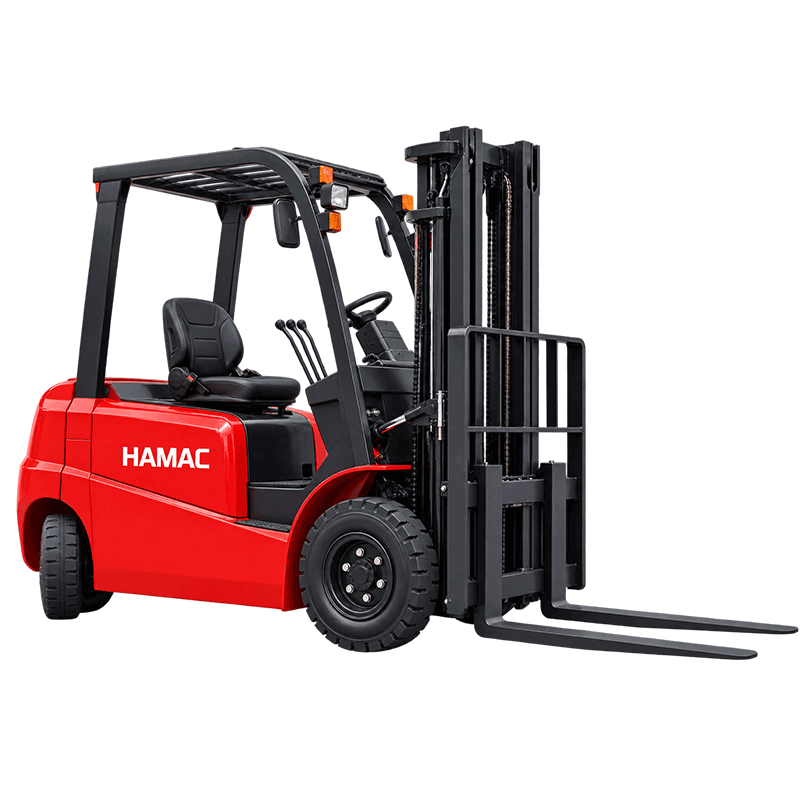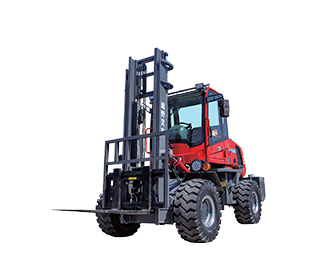
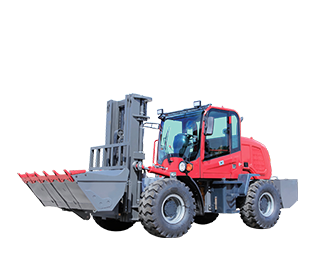
FD30‑RTL
Rough Terrain Forklifts
Rated load capacity: 3,000 kg
Maximum lift height: 3m
Consult now






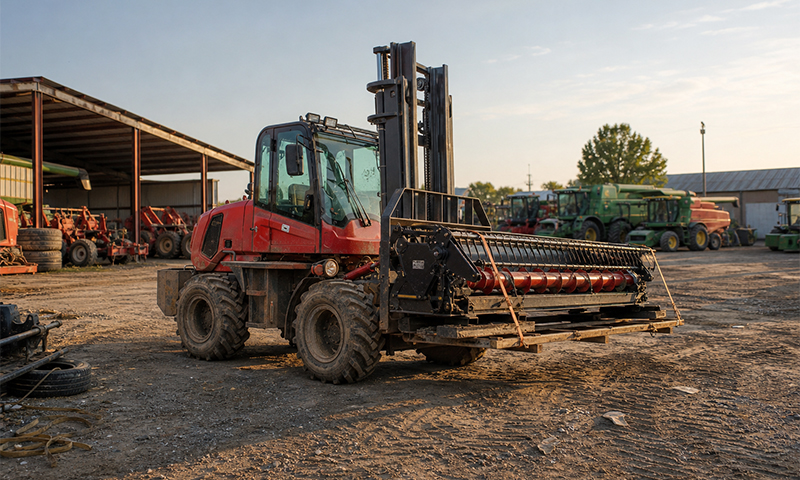
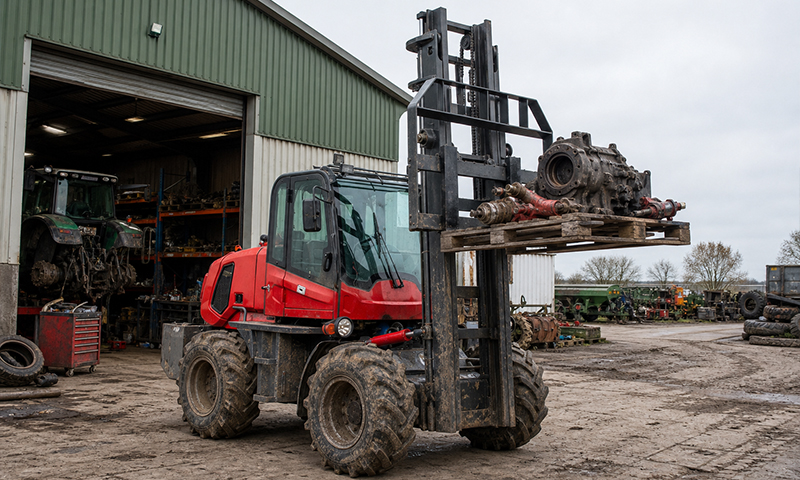
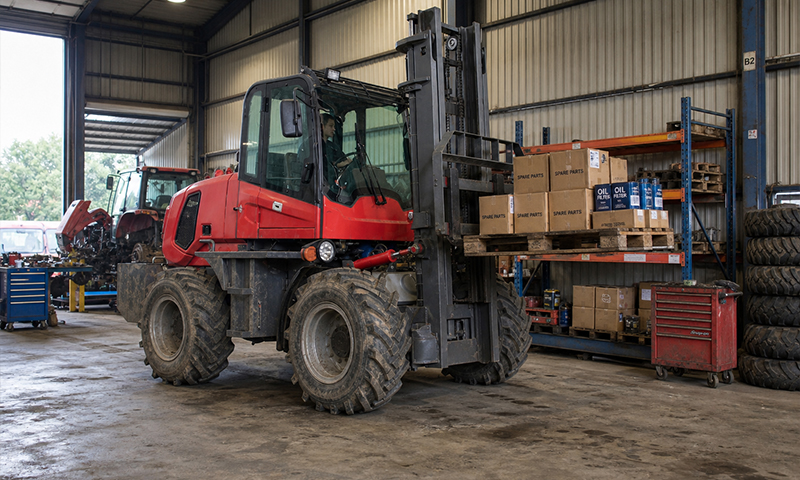
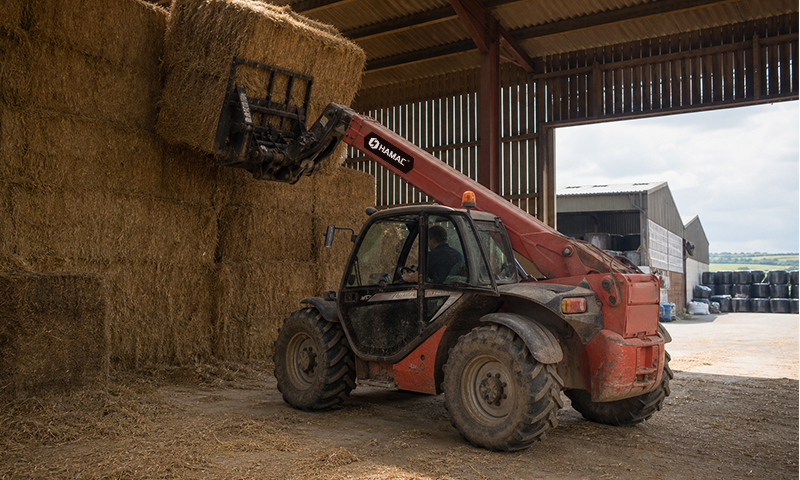
On a farm machinery workshop, a rough terrain forklift is used to move heavy parts, implements and palletized spares between the workshop, outdoor yard and storage sheds. The machine supports daily maintenance and repair tasks on tractors, harvesters and other farm equipment.
With four-wheel drive, high ground clearance and large off-road tyres, the rough terrain forklift can operate on dirt tracks, gravel and uneven farm surfaces where standard indoor forklifts are not suitable. This helps keep workshop logistics running smoothly in all seasons.
The customer is a mixed farming operation with its own machinery workshop for servicing tractors, combines, sprayers and attachments. The site includes a repair bay, parts store, outdoor machinery yard and nearby fields and sheds.
Heavy components such as gearboxes, tyres, frames and implements must be moved regularly for repair, replacement or seasonal changeover. The farm needed equipment that could handle these loads safely between buildings and outdoor areas.
Farm machinery parts and implements can be heavy, bulky and awkward to handle, requiring sufficient lifting capacity and mast stability. Loads must remain secure to avoid damage or injury during movement.
Outdoor surfaces around the workshop include compacted dirt, gravel, ruts and occasional mud, making traction and ground clearance critical. Standard warehouse forklifts are not designed for these conditions.
The workshop layout involves narrow access around machinery, tools and stored equipment, demanding good manoeuvrability and visibility for the operator.
Seasonal workload peaks, such as planting and harvest, increase the demand for fast and reliable handling of parts and attachments to minimize equipment downtime.
The farm selected a rough terrain forklift with diesel power, four-wheel drive and a high-clearance chassis. Large agricultural or off-road tyres provide grip on farm tracks and yard surfaces.
The forklift is fitted with forks suitable for pallets, stillages and implements that can be palletized or placed on frames. A strong mast and stable chassis support lifting and positioning of heavy components in and around the workshop.
In daily operation, the rough terrain forklift moves pallets of spare parts and consumables from storage sheds to the workshop, supporting ongoing maintenance tasks. It also returns repaired components back to storage or equipment.
The machine handles heavy items such as tyres, engine blocks, frames and mounted implements, transporting them between machinery yard, fields and repair bays. This reduces manual handling and reliance on tractors for lifting.
During seasonal changeovers, the forklift assists with swapping implements on tractors and moving attachments to and from storage areas. Its off-road capability allows it to operate close to field edges or remote sheds when needed.
The forklift may also support general farm logistics, including moving palletized feed, fencing materials and building supplies around the farm, increasing its utilisation beyond the workshop.
Operators receive training on rough terrain forklift operation, including driving on slopes and handling heavy, uneven loads. Loads are kept low during travel and lifting operations follow the forklift’s load chart.
Daily checks focus on tyres, mast, forks, hydraulics and brakes to ensure safe handling of heavy parts and equipment. The farm defines clear routes around the workshop to separate forklift movement from pedestrian and vehicle traffic.
Extra care is taken when working near machinery under repair, with spotters assisting in tight spaces and when visibility is limited. Weather and ground conditions are monitored, and routes are adjusted when surfaces become too soft or slippery.
Using a rough terrain forklift improves parts handling efficiency in the farm machinery workshop, reducing manual lifting and the need to improvise with tractors or loaders. This helps shorten repair times and keeps equipment available for field work.
The farm benefits from safer, more controlled movement of heavy components between workshop, yard and sheds, lowering the risk of damage or injury. Off-road capability ensures that logistics remain reliable even in wet or uneven conditions.
Overall, the rough terrain forklift enhances safety, productivity and flexibility for farm machinery workshop parts handling and wider farm logistics.
"If you have projects with similar lifting requirements, our team can recommend the right HAMAC telehandler or forklift configuration."
Please fill out the form, and we can satisfy any of your needs including equipment selection, scheme design, technical support, or after-sales service. We will contact you as soon as possible.