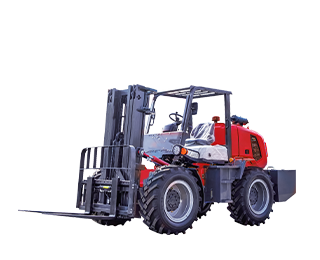
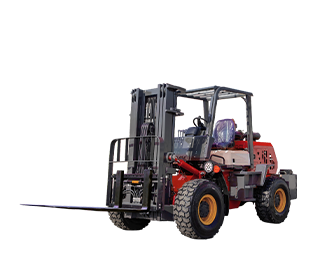
FD35‑RTS
Rough Terrain Forklifts
Rated load capacity: 3,500 kg
Maximum lift height: 4,500 mm
Consult now






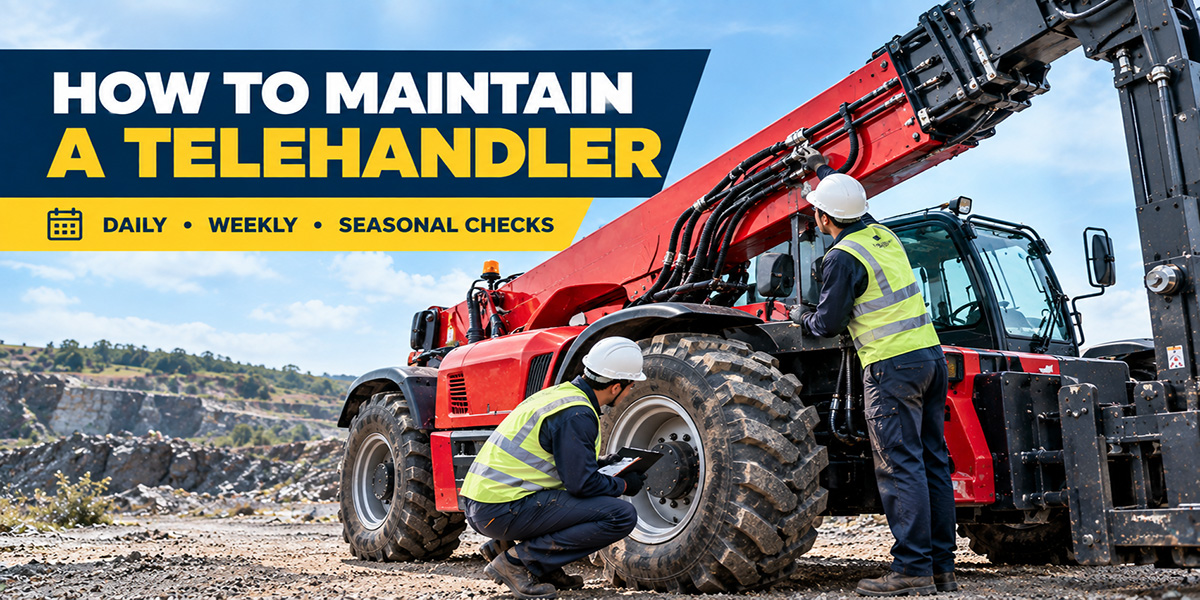
Regular telehandler maintenance helps reduce unexpected downtime, protect the boom and hydraulic system, extend tire life and keep lifting, steering and safety functions ready for work. A simple inspection routine is especially important for telehandlers working on construction sites, farm yards, gravel roads, dusty material yards and outdoor storage areas.
This telehandler maintenance checklist covers daily, weekly and seasonal tasks. It is a practical guide only. Always follow the official operator manual, service schedule and approved fluid specifications for your exact telehandler model.
HAMAC provides telehandlers for construction, agriculture, warehouses and industrial yards. Whether you operate a compact 6m telehandler or a 10m rough terrain telehandler, preventive maintenance can help keep the machine reliable between scheduled services.
| Maintenance Frequency | Main Checks | Purpose |
|---|---|---|
| Daily or Before Every Shift | Leaks, fluid levels, tires, boom, forks, attachment locks, brakes, steering and warning devices | Find defects before they cause unsafe operation or unexpected downtime. |
| Weekly | Cleaning, lubrication, hoses, fasteners, radiator area, battery and tire wear | Reduce wear, contamination, overheating and loose-component risks. |
| Seasonal or Environmental Change | Cooling, battery, fuel, anti-freeze, drainage, corrosion protection and storage preparation | Prepare the telehandler for heat, dust, rain, mud, cold weather or long-term parking. |
| Scheduled Hour-Based Service | Engine, transmission, hydraulic system, filters, lubrication and safety systems | Complete manufacturer-required service at the stated operating-hour intervals. |
Complete these checks before every shift. Daily inspection is the fastest way to identify leaks, tire damage, loose attachments, low fluid levels and safety-system faults before they become costly repairs or unsafe lifting conditions.
| Daily Check | What to Look For |
|---|---|
| Ground and Machine Leaks | Check under the machine for engine oil, hydraulic oil, coolant or fuel leaks. |
| Fluid Levels | Check engine oil, coolant, hydraulic oil, fuel and other fluids specified in the operator manual. |
| Tires and Wheels | Check pressure, tread, sidewall cuts, bulges, embedded debris, wheel condition and visible wheel hardware. |
| Boom and Hydraulics | Inspect boom sections, cylinders, hoses, fittings and guards for damage, abrasion, leaks or loose parts. |
| Forks and Attachments | Check fork wear, cracks, bends, fork locks, quick-hitch locks, pins and attachment hydraulic connections. |
| Cab and Safety Devices | Test seat belt, mirrors, windows, horn, lights, reverse alarm, indicators and dashboard warnings. |
| Function Test | Test brakes, steering, travel, boom lift, boom extension and attachment functions in a safe clear area. |
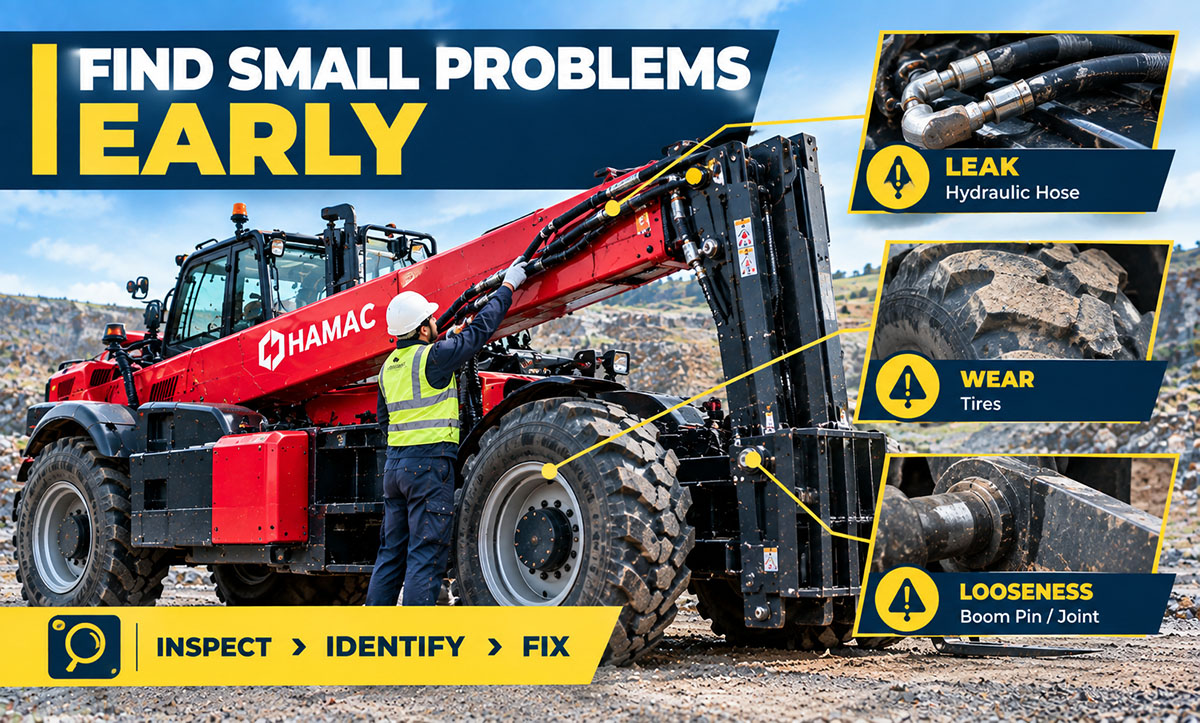
If you find a damaged tire, hydraulic leak, cracked fork, unsecured attachment, brake problem, steering fault, warning-system failure or abnormal boom movement, stop the machine and report it before operating. Daily checks for telehandlers commonly include fluids, tire condition, steering, brakes, boom sections, hydraulic hoses, cylinders, lights and indicators.
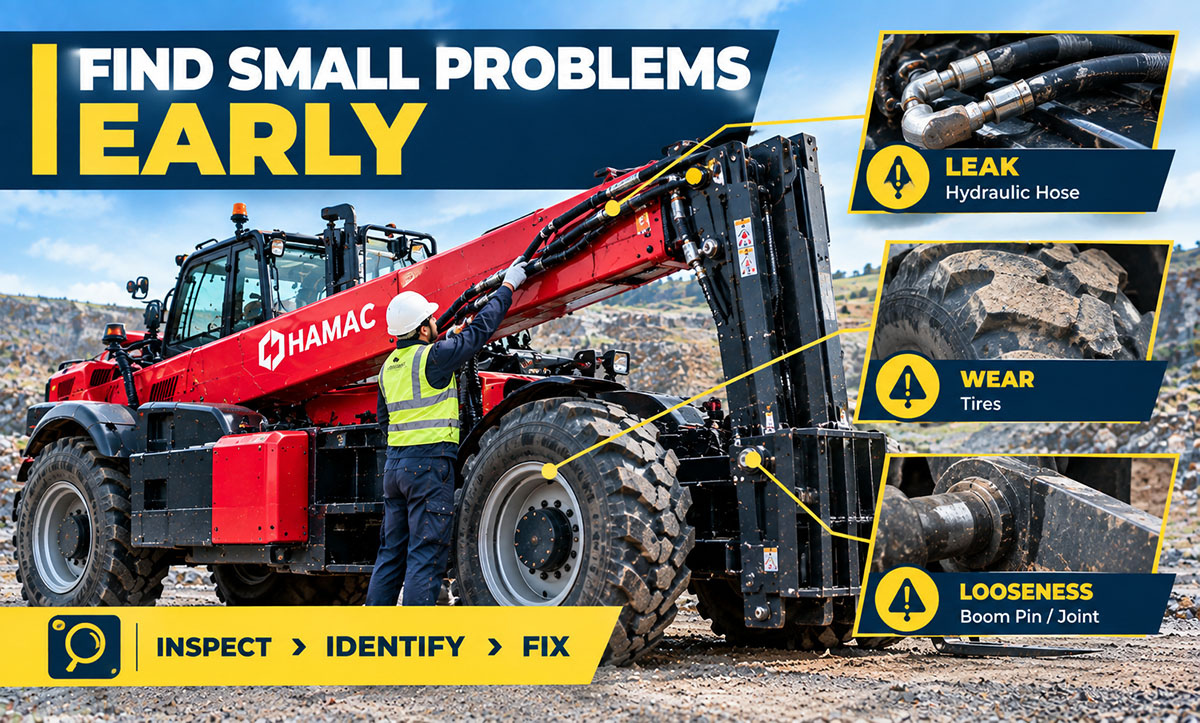
Weekly maintenance focuses on cleaning, lubrication and early-wear checks. Outdoor telehandlers can collect dust, mud, stone, cement powder, crop residue and other debris that affect cooling, moving joints and hose condition.
Regular cleaning and lubrication help reduce abrasive wear at boom and pivot areas. Engine and cooling areas should be kept free of debris so the machine can maintain normal operating temperature. Use only the lubrication points, grease type and service intervals specified by the manufacturer.
Seasonal maintenance should match the environment where the telehandler works. High heat, dust, rain, mud, cold temperatures and long storage periods create different maintenance priorities.
| Condition | Maintenance Focus |
|---|---|
| Hot and Dusty Conditions | Clean the radiator and air-intake area more often; check coolant, fan belt condition and air-filter service requirements. |
| Rainy or Muddy Conditions | Remove mud from the chassis, tires and steps; inspect tire traction, lights, wipers, wiring and signs of corrosion. |
| Cold Weather | Use manufacturer-approved coolant and fuel practices; check battery condition, starting performance and warm-up requirements. |
| Farm and Biomass Work | Remove straw, dust, grass, feed residue and crop material from cooling, engine and moving-component areas. |
| Long-Term Storage | Clean the machine, park on firm dry ground, prepare the battery and fluids as instructed, and protect the telehandler from moisture and contamination. |
Seasonal maintenance reduces problems caused by overheating, poor cooling airflow, weak battery performance, water contamination, tire damage and corrosion. In difficult environments, inspect and clean the machine more frequently than in clean, dry indoor conditions.
| Problem Found | Required Action |
|---|---|
| Visible hydraulic leak, damaged hose, damaged cylinder or abnormal boom movement | Stop operation, lower the attachment safely and arrange inspection or repair. |
| Brake, steering, parking brake or warning-system fault | Do not operate until the fault is corrected and the machine is safe to use. |
| Cracked, bent or unsecured forks, attachment or locking pins | Tag out the machine or attachment and replace or repair approved components. |
| Overheating, smoke, burning smell, unusual vibration or repeated dashboard warning | Stop the machine and follow the operator manual or contact qualified service personnel. |
| Severely damaged tire, wheel or visible wheel-hardware problem | Stop work and repair before travelling or lifting loads. |
A maintenance record helps operators, fleet managers and service teams track recurring faults before they become major repairs. Record the date, operating hours, operator name, inspection result, maintenance completed, parts replaced and unresolved issues.
When requesting support, provide the telehandler model, serial number, operating hours, fault description, dashboard warning information and clear photos or video. Use manufacturer-approved fluids, filters and replacement parts, and do not modify hydraulic or safety systems without authorization.
For compact-site material handling, explore the HAMAC HT2506 2.5 ton 6m compact telehandler. For medium-height construction and heavier outdoor material handling, explore the HAMAC HT3510 3.5 ton 10m telehandler.
Contact HAMAC for telehandler maintenance support, spare parts and technical consultation.
How often should a telehandler be maintained?
Perform a visual and operational check before every shift, complete weekly cleaning and lubrication tasks, and follow the manufacturer’s hour-based service schedule for your exact model.
What should I check daily on a telehandler?
Check fluids, leaks, tires, wheels, boom, hoses, cylinders, forks, attachment locks, brakes, steering, lights, alarms, seat belt and dashboard warnings.
How do I maintain a telehandler boom?
Keep boom sections clean, inspect for damage or abnormal wear, check cylinders and hoses for leaks, and lubricate approved pins and wear points according to the manufacturer’s service chart.
When should I stop using a telehandler?
Stop work if you find a brake or steering fault, hydraulic leak, damaged boom or fork, unsecured attachment, severely damaged tire, overheating, smoke, abnormal noise or repeated warning alarm.
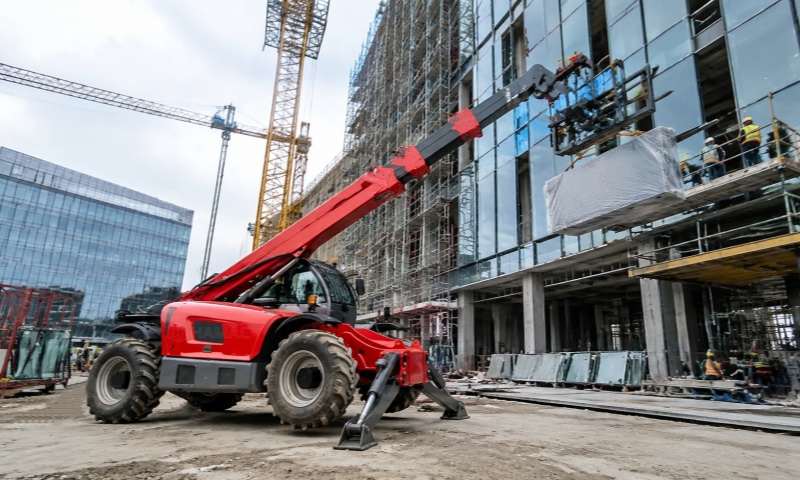
On a commercial building project, an HT4010 telehandler is used to assist facade and curtain wall ins
Free Consultation >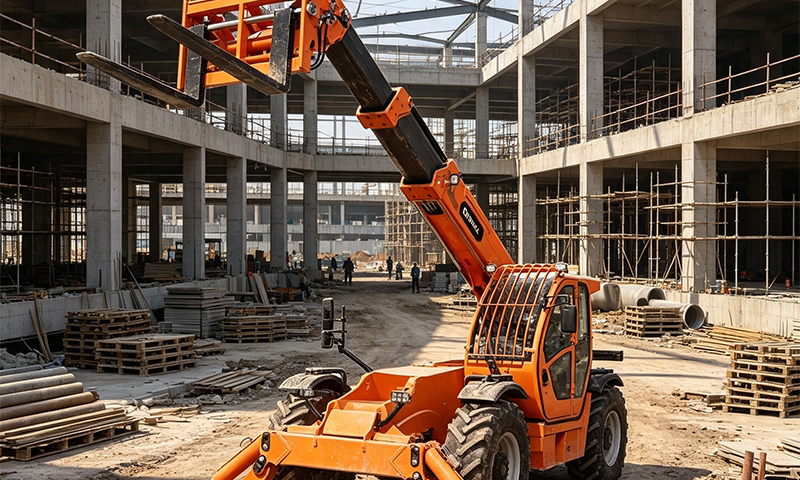
This case study describes how an HT5014 telehandler supports outdoor storage rack replenishment besid
Free Consultation >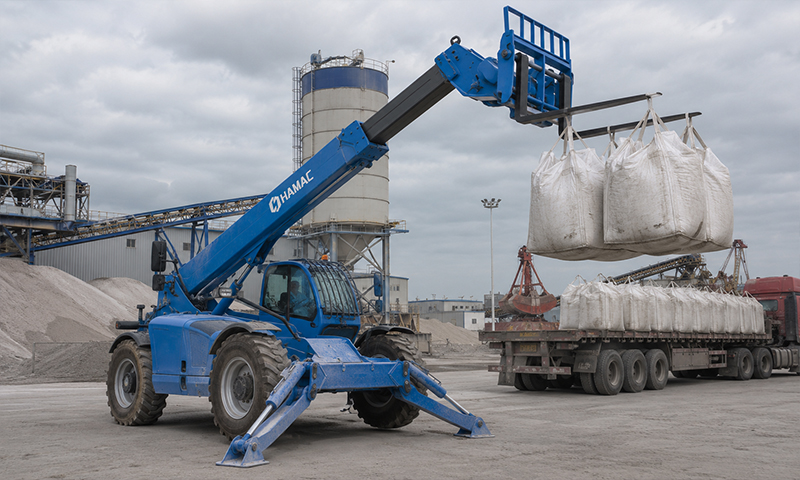
At inland port terminals, a high‑capacity telehandler is used to transfer bulk materials between tr
Free Consultation >Please fill out the form, and we can satisfy any of your needs including equipment selection, scheme design, technical support, or after-sales service. We will contact you as soon as possible.