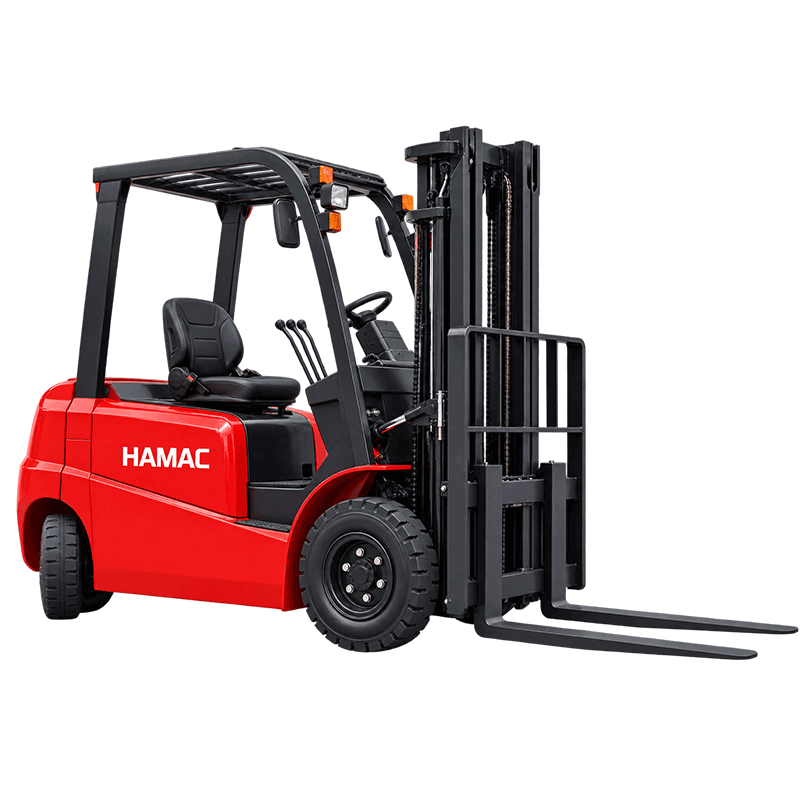
3-Wheel Electric
Electric Forklifts
Rated Capacity:1500–2,000 kg
Maximum Lift Height:3000–6500 mm
Consult now





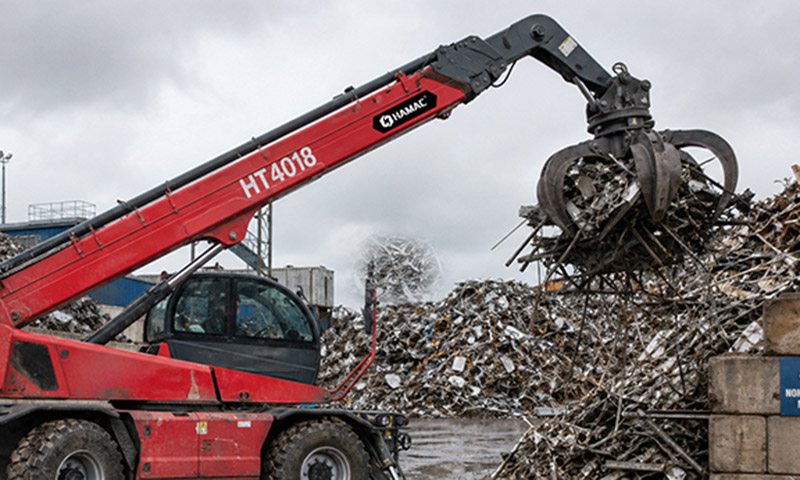
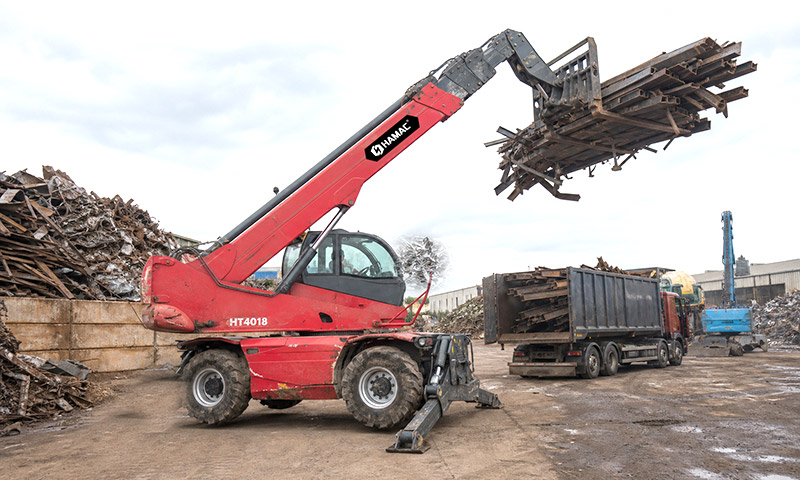
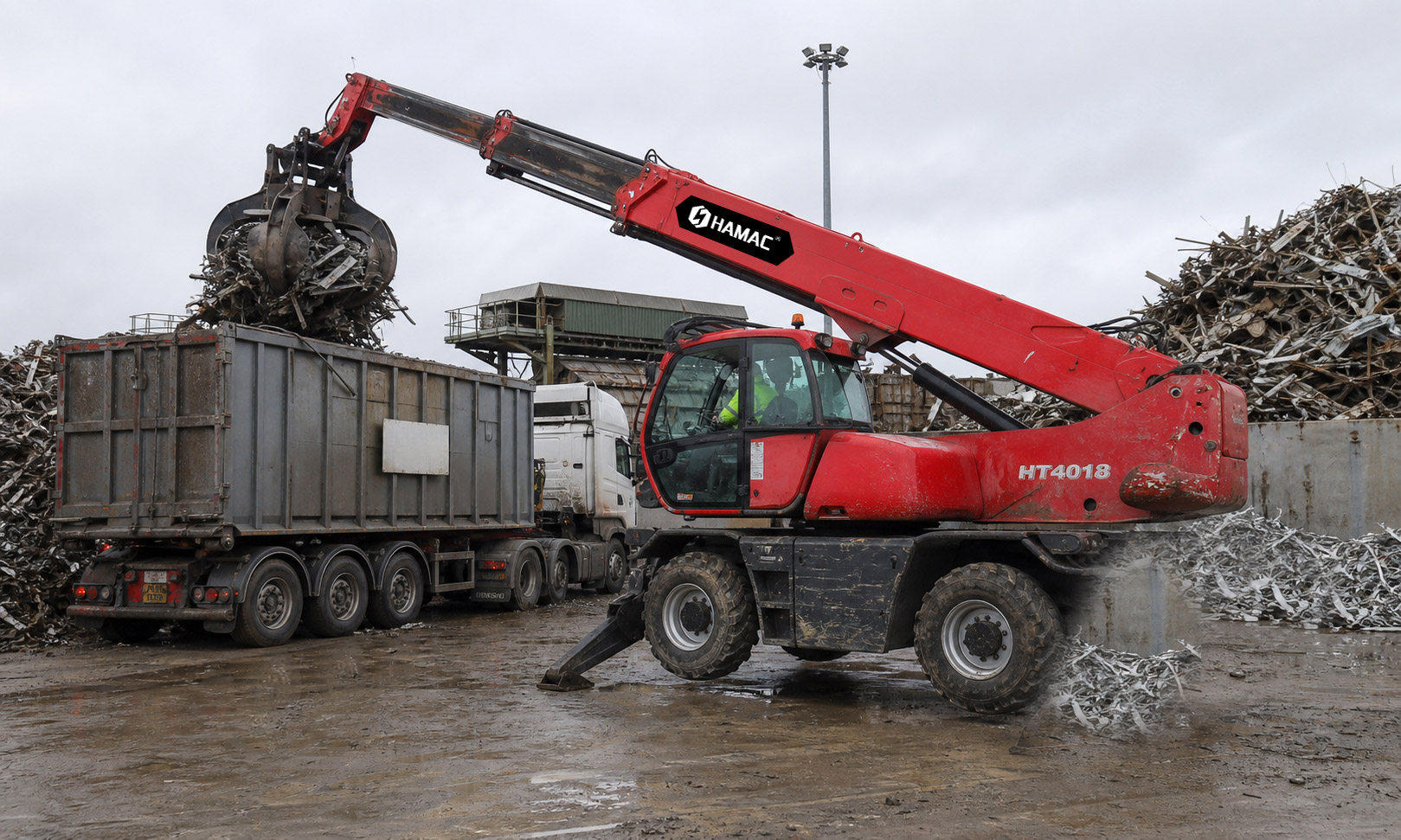
At a construction and demolition (C&D) waste sorting facility, an HT4010 telehandler and an FD40-RT rough terrain forklift are used to separate mixed debris into recoverable material streams and move sorted output between processing zones and loading areas. The equipment supports the facility's daily intake of concrete, wood, metal, drywall and mixed rubble.
With a 4 ton capacity and 10 m lift height on the telehandler, along with the 4 ton FD40-RT forklift, the equipment combination handles both bulky sorting tasks and routine ground-level material transport across the site.
The facility receives construction and demolition waste from building sites, renovation projects and demolition contractors, including mixed loads of concrete rubble, timber, metal scrap, drywall and packaging debris.
The site layout includes a tipping floor for incoming loads, a sorting area organized by material type, and outbound stockpiles for recovered concrete, wood, metal and residual waste destined for disposal or further processing.
Incoming loads are highly mixed and irregular, containing everything from large concrete blocks to loose insulation and scrap metal, making manual sorting slow and labor-intensive.
Separating recoverable materials such as wood, metal and concrete required equipment capable of handling both bulky rigid items and looser mixed debris without excessive spillage.
The tipping floor and sorting area experienced heavy daily traffic, so equipment needed to move quickly between zones without disrupting incoming truck deliveries.
Loading sorted material streams onto outbound trucks required stable handling to keep different material
types separated and properly loaded for their respective destinations.
HAMAC supplied an HT4010 telehandler fitted with a grapple attachment alongside standard forks, allowing the operator to grab and sort irregular C&D debris such as timber, mixed rubble and scrap metal with better control than a standard bucket.
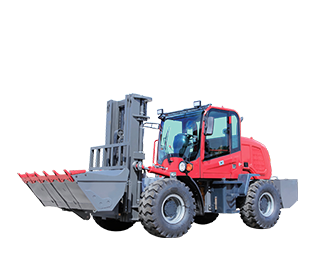
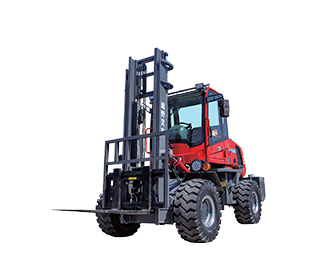
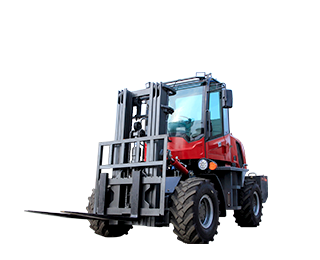
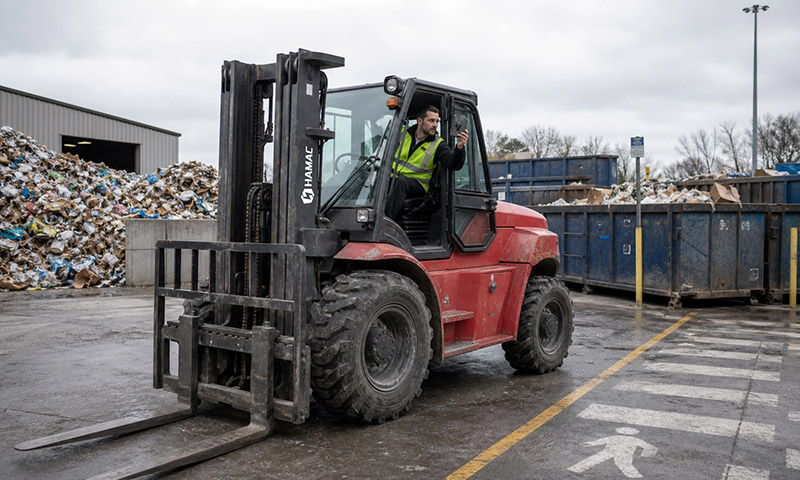
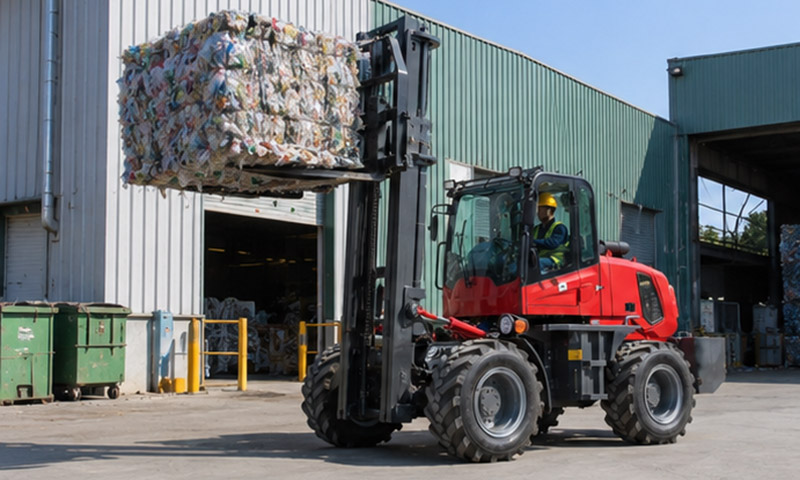
An FD40-RT rough terrain forklift was deployed to handle palletized or containerized sorted materials, moving them between the sorting area and outbound stockpiles. Its solid tires and rugged chassis suit the dusty, debris-strewn tipping floor environment.
At the tipping floor, the HT4010 uses its grapple to pull apart mixed loads, separating large concrete pieces, timber and metal into rough initial categories before finer sorting takes place.
As sorting progresses, the telehandler moves separated wood, metal and concrete into designated stockpile zones, using the grapple to handle awkward shapes without excessive manual labor.
The FD40-RT transports containerized residual waste and baled recoverables from the sorting area to the outbound loading zone, keeping different material streams organized for their next destination.
Both machines support ongoing yard housekeeping, clearing walkways and consolidating smaller debris piles to maintain safe access across the active sorting floor.
Operators assess load composition before grappling mixed debris, watching for protruding rebar, sharp edges or unstable stacking that could shift during handling.
Given the constant flow of incoming trucks, the crew maintains clear separation between active tipping zones and equipment travel paths, using spotters when visibility is reduced by dust.
Routine inspection of the grapple attachment, forks, tyres and hydraulic components helps ensure reliable performance given the abrasive and unpredictable nature of construction waste.
Using the HT4010 telehandler and FD40-RT forklift together improves sorting throughput, allowing the facility to process mixed C&D waste faster than manual methods alone.
The grapple attachment's flexibility helps recover more usable material from mixed loads, supporting better recycling rates for concrete, wood and metal streams.
The combination of sorting capability and reliable ground transport helps the facility maintain steady throughput despite the irregular, high-volume nature of construction and demolition waste.
"If you have projects with similar lifting requirements, our team can recommend the right HAMAC telehandler or forklift configuration."
Please fill out the form, and we can satisfy any of your needs including equipment selection, scheme design, technical support, or after-sales service. We will contact you as soon as possible.