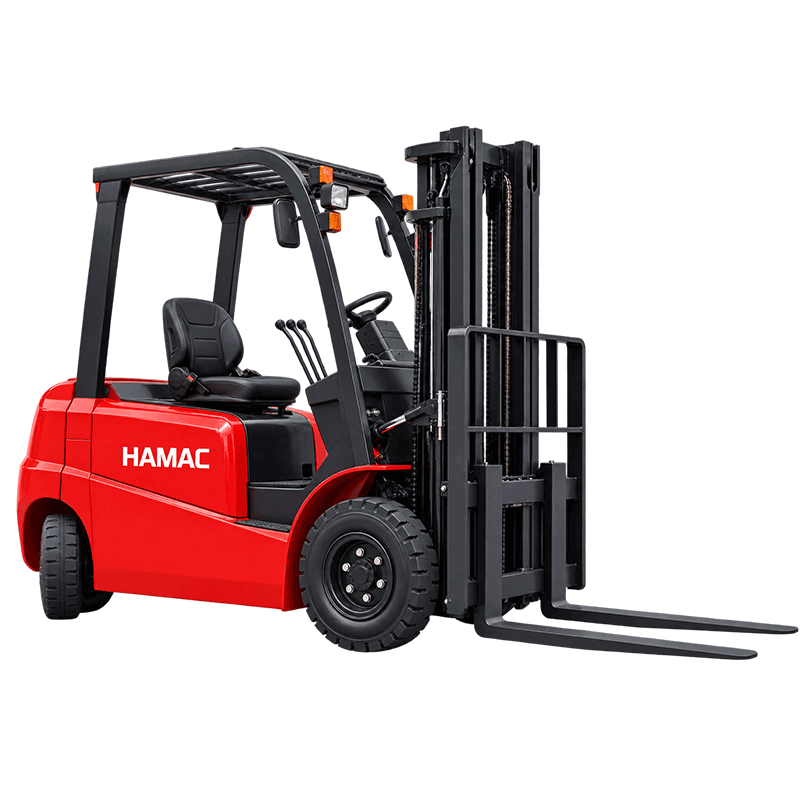
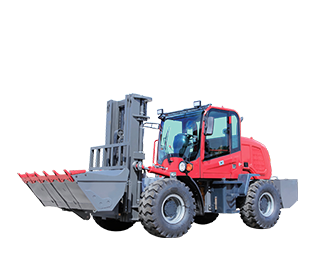
FD30‑RTL
Rough Terrain Forklifts
Rated load capacity: 3,000 kg
Maximum lift height: 3m
Consult now






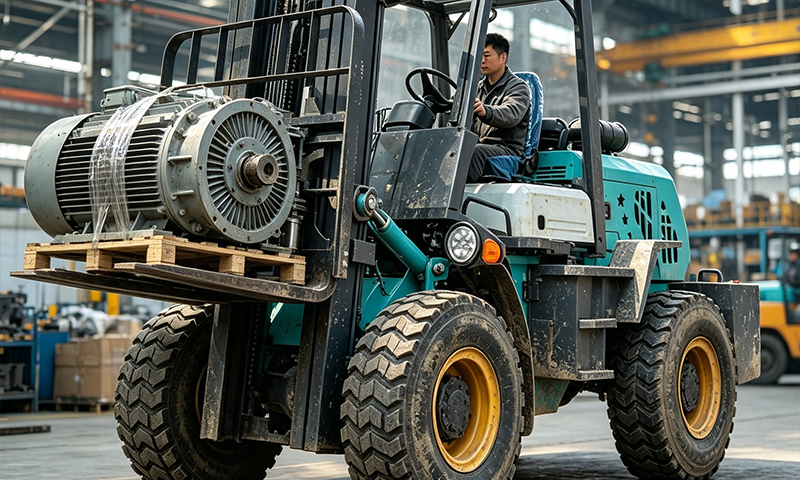
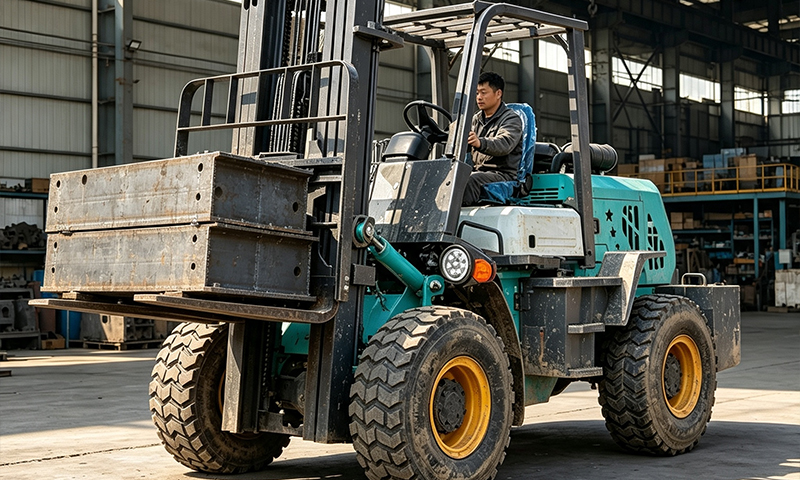
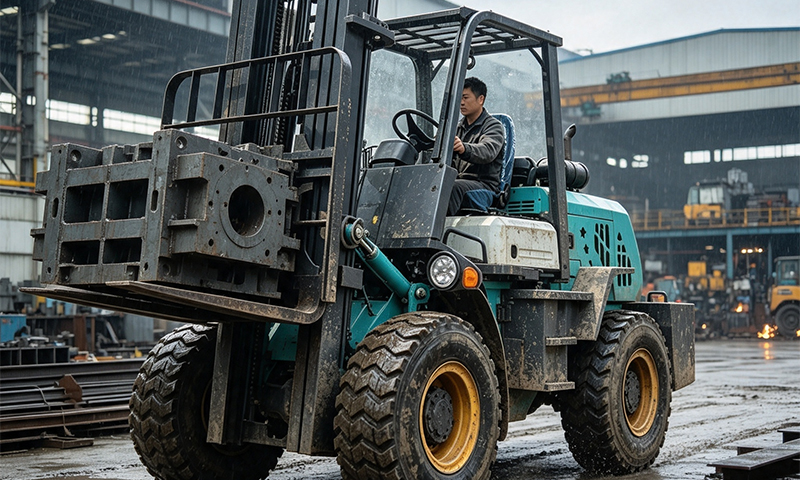
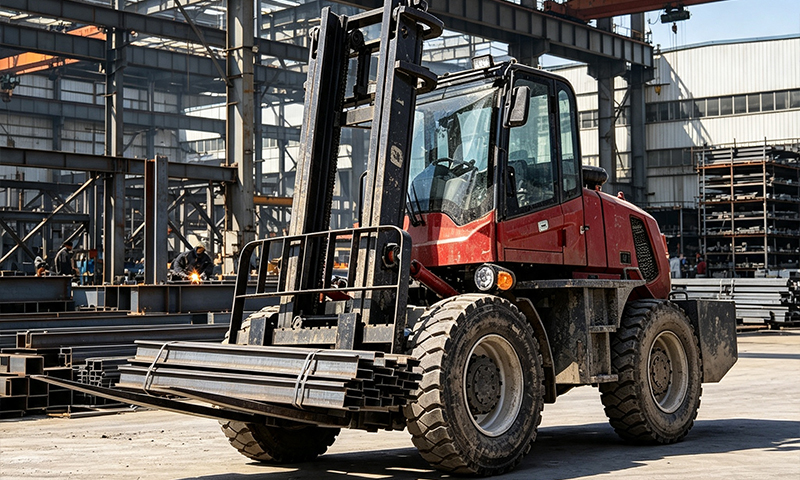
In a machinery manufacturing yard, a rough terrain forklift is used to move heavy components, crated machines and palletized parts between workshops, outdoor storage zones and loading areas. The machine supports daily logistics on gravel, compacted soil and uneven concrete.
With large pneumatic tyres, high ground clearance and a robust mast, the rough terrain forklift can work where standard indoor forklifts are limited. This helps the plant maintain steady material flow in outdoor and semi-outdoor areas.
The customer is a machinery manufacturer producing assembled equipment, subassemblies and spare parts for industrial clients. The site includes assembly workshops, test bays, outdoor storage yards and truck loading zones.
Heavy frames, gearboxes, housings and crated machines must be transferred regularly between production lines, yard storage and shipping. The plant required equipment that could handle these loads safely on rough yard surfaces in all seasons.
Machinery components and crates can be heavy and tall, so the handling equipment must provide sufficient capacity and mast stability. Loads must remain secure to avoid tipping or damage during transport.
Outdoor yard conditions include gravel, drainage channels, occasional mud and uneven surfaces, which require strong traction and ground clearance. Standard warehouse forklifts are not designed for these environments.
The yard layout involves narrow lanes between storage rows, equipment stands and test areas, demanding good manoeuvrability and clear operator visibility.
Production schedules depend on timely movement of parts and finished machines, so any delays in yard logistics can create bottlenecks in assembly and shipping.
The plant selected a rough terrain forklift with four-wheel drive, heavy-duty pneumatic tyres and a reinforced chassis. The machine is designed specifically for outdoor material handling on uneven ground.
With a medium-to-heavy lifting capacity, it can handle typical machinery components, crates and palletized parts used in the plant. A high-visibility mast and adjustable forks allow precise positioning onto racks, stands or vehicle decks.
In daily operation, the rough terrain forklift moves incoming raw materials and purchased components from delivery areas to storage or pre-assembly zones. It carries pallets and crates across the yard even when the surface is wet or rutted.
The machine transfers subassemblies and finished machines from assembly halls to outdoor test areas and then to shipping yards. This keeps indoor production space clear and ensures that completed equipment reaches the correct staging locations.
When trucks arrive, the forklift loads and unloads crated machines and palletized parts directly in the yard, approaching loading positions that may not be fully paved. Its off-road capability allows reliable operation in varying weather conditions.
The forklift also supports general yard tasks, such as rearranging storage rows, feeding components to different lines and assisting maintenance teams with heavy items around the site.
Operators receive training on rough terrain forklift operation, including driving on slopes, load handling on uneven ground and adherence to load charts. Loads are kept low during travel and speed is adjusted to match conditions.
Daily inspections cover tyres, mast, forks, hydraulics and braking systems to ensure safe handling of heavy machinery loads. The plant defines clear travel routes and separates forklift traffic from pedestrian and vehicle paths where possible.
For long or top-heavy loads, a spotter assists the operator to maintain visibility and prevent contact with structures, parked equipment or other obstacles. Operations are adjusted during heavy rain or poor visibility to maintain safety.
Using a rough terrain forklift improves material handling efficiency in the machinery manufacturing yard, reducing delays between production, storage and shipping stages. The plant can maintain logistics even when yard conditions are soft or uneven.
The machine reduces reliance on cranes for short-distance moves and extends handling capability beyond paved areas, increasing flexibility in how the yard is used.
Overall, the rough terrain forklift enhances safety, productivity and reliability for machinery manufacturing yard material handling by combining outdoor mobility with strong lifting performance.
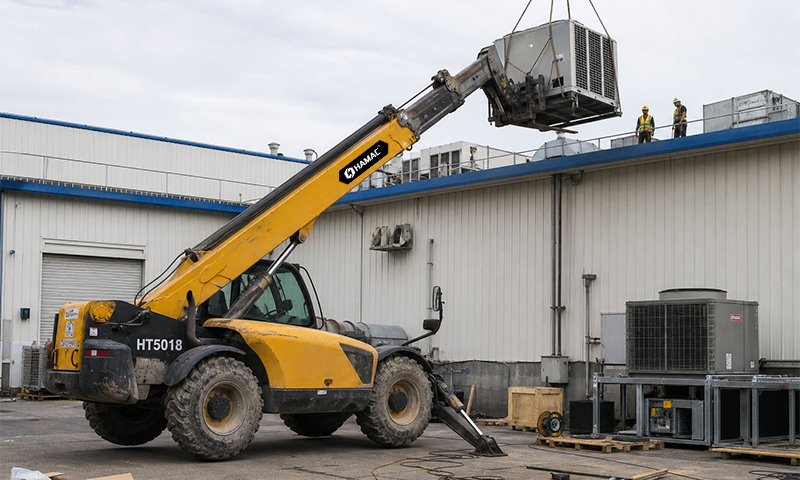
"If you have projects with similar lifting requirements, our team can recommend the right HAMAC telehandler or forklift configuration."
Please fill out the form, and we can satisfy any of your needs including equipment selection, scheme design, technical support, or after-sales service. We will contact you as soon as possible.