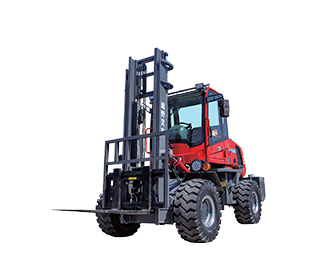
FD35‑RT
Rough Terrain Forklifts
Rated load capacity: 3,500 kg
Maximum lift height: 4,500 mm
Consult now






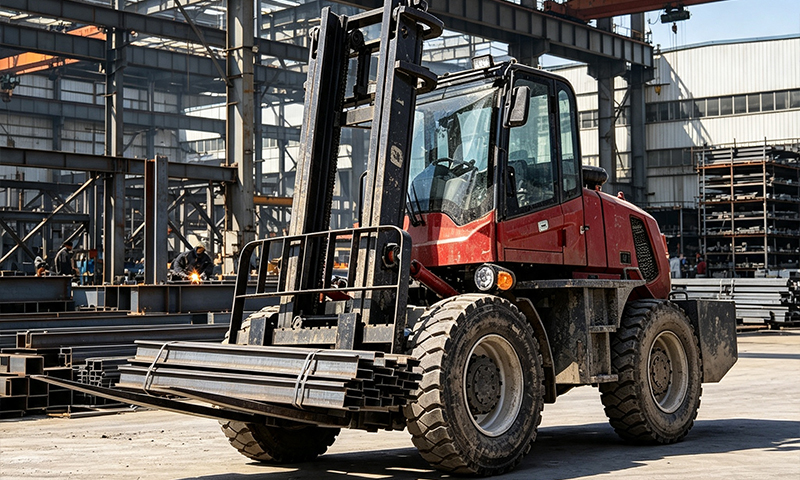
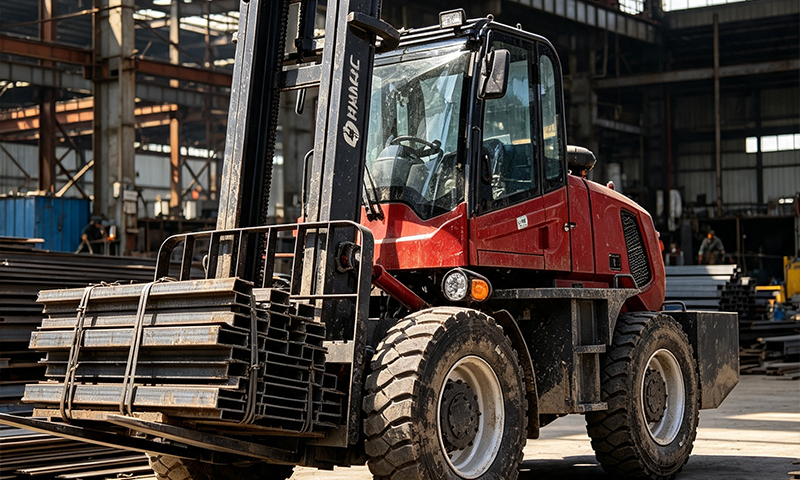
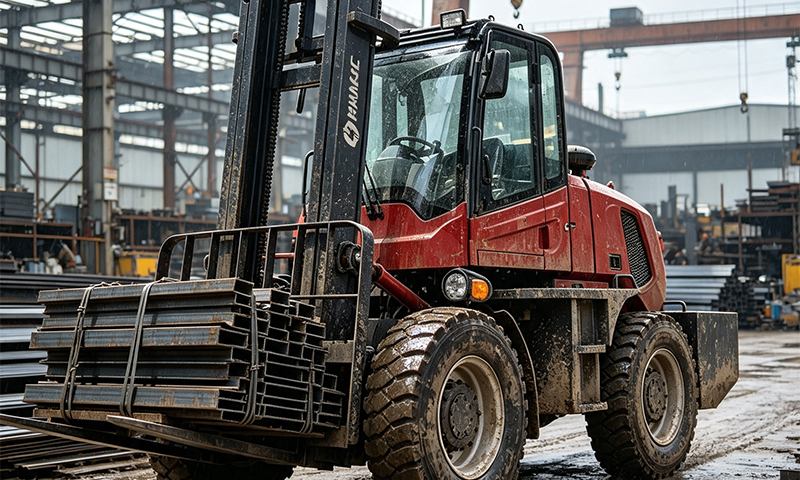
This case study describes how a rough terrain forklift supports steel fabrication plant logistics where heavy steel products must be moved efficiently across outdoor and semi‑outdoor areas. The machine improves flow between fabrication lines, storage yards and shipping zones in conditions where standard warehouse forklifts cannot operate reliably.
In a steel fabrication plant, a rough terrain forklift is used to move steel beams, plates and heavy palletized products between workshops, outdoor yards and loading bays. The machine supports daily logistics where ground conditions include gravel, compacted soil and uneven concrete.
With off-road tyres, high ground clearance and a robust mast, the rough terrain forklift can operate where standard warehouse forklifts would struggle. This makes it a practical tool for maintaining steady material flow in the steel yard.
The customer operates a steel fabrication plant that processes structural steel, plates and profiles into beams, frames and welded assemblies. The facility includes indoor workshops, outdoor laydown areas, finished product yards and truck loading zones.
Heavy and bulky steel products must be transferred regularly between cutting, welding, painting and storage areas. The plant needed equipment that could handle these loads safely on rough surfaces and in all-weather conditions.
Steel products are dense, heavy and sometimes long, so the handling equipment must provide enough lifting capacity while maintaining stability on uneven ground. Loads must remain secure to avoid shifting or damage.
Outdoor yard surfaces can be muddy, rutted or covered with debris, making traction and ground clearance critical. Standard indoor forklifts are not designed for these conditions.
The plant layout requires frequent movement between indoor and outdoor zones, with limited space in some aisles and around storage racks. This demands good manoeuvrability and visibility for the operator.
Logistics must keep up with production, so any delays in material movement can create bottlenecks at cutting, fabrication or loading stages.
The plant selected a rough terrain forklift with four-wheel drive, deep-tread pneumatic tyres and high ground clearance. The machine is designed for outdoor industrial sites and can navigate gravel, soft soil and uneven surfaces.
With a mid-to-heavy lifting capacity, the forklift can handle typical steel bundles and palletized loads used in the plant. A high-visibility mast and side-shift forks help the operator position loads accurately in racks, on supports or onto trucks.
In daily use, the rough terrain forklift transfers raw steel from delivery zones to cutting and preparation areas. It carries bundles of beams, profiles or plates across the yard, even when the ground is wet or uneven.
The machine also moves finished steel components from fabrication bays to outdoor laydown areas, staging them for inspection, painting or shipping. This keeps indoor workspaces clear and organized.
When trucks arrive, the forklift loads palletized steel products or bundled beams directly onto trailers in the yard. Its off-road capability allows it to approach loading points that are not served by paved surfaces.
The forklift is also used for general yard tasks, such as rearranging stock, feeding material to different production lines and supporting maintenance work around the plant.
Operators are trained on rough terrain forklift operation, including safe driving on slopes, load chart awareness and proper load securing. They keep loads low while travelling and adjust speed to match ground conditions.
Daily inspections cover tyres, mast, forks, hydraulics and brakes to ensure the machine can handle heavy steel loads safely. The plant maintains clear travel lanes and designated loading areas to separate forklift routes from pedestrian traffic.
When handling long beams or wide loads, a spotter assists the operator to maintain visibility and avoid contact with structures or other equipment. Weather conditions are monitored, and operations are adjusted in heavy rain or poor visibility.
Using a rough terrain forklift improves material flow across the steel fabrication plant, reducing delays between production stages and shipment. The plant can move steel products reliably even when yard conditions are soft or uneven.
The machine reduces reliance on cranes for short-distance moves and avoids the limitations of indoor forklifts outdoors. This flexibility helps the plant respond quickly to changing production priorities.
Overall, the rough terrain forklift enhances safety, productivity and reliability in steel fabrication plant logistics by combining outdoor mobility with strong lifting performance.
"If you have projects with similar lifting requirements, our team can recommend the right HAMAC telehandler or forklift configuration."
Please fill out the form, and we can satisfy any of your needs including equipment selection, scheme design, technical support, or after-sales service. We will contact you as soon as possible.