HT3507
Telehandlers
Lifting capacity: 3,500 kg
Max. lift height: 7m
Consult now






Precast concrete yards depend on fast, controlled material movement. Finished concrete blocks, kerbs, pipes, palletized products, steel stillages and approved concrete material packs must move efficiently from storage areas to loading zones without unnecessary waiting, repeated handling or product damage.
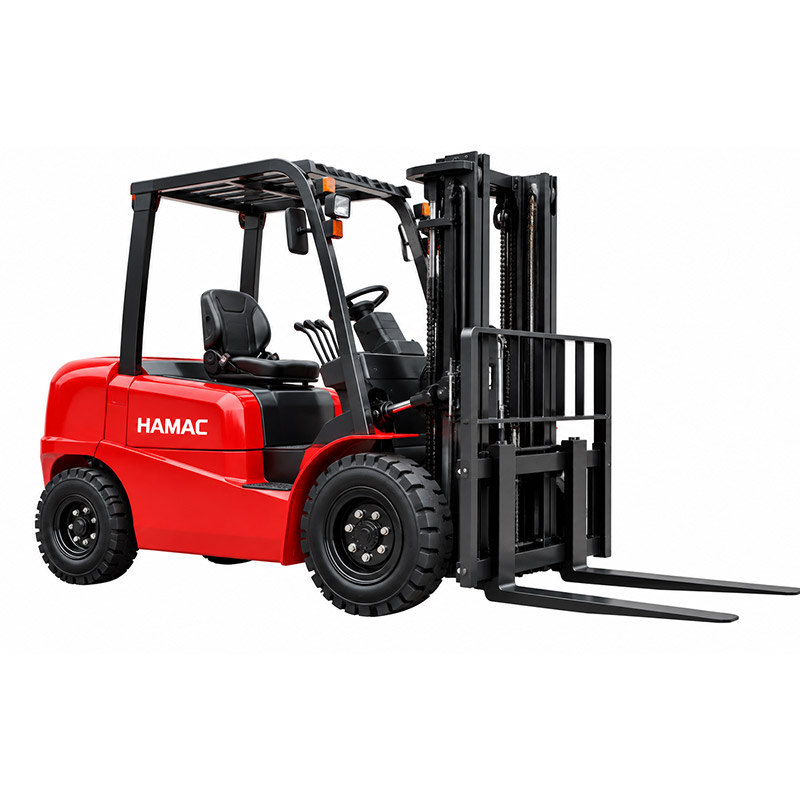
A rough terrain telehandler helps material yards unload trucks, move products across uneven ground, organize outdoor storage and supply materials to dispatch areas. With telescopic reach, 4x4 drive and flexible steering, a telehandler can improve daily yard logistics where a conventional warehouse forklift may have limited ground clearance or forward reach.
For telehandler models designed for construction, industrial and outdoor material handling, explore the HAMAC telehandler range .
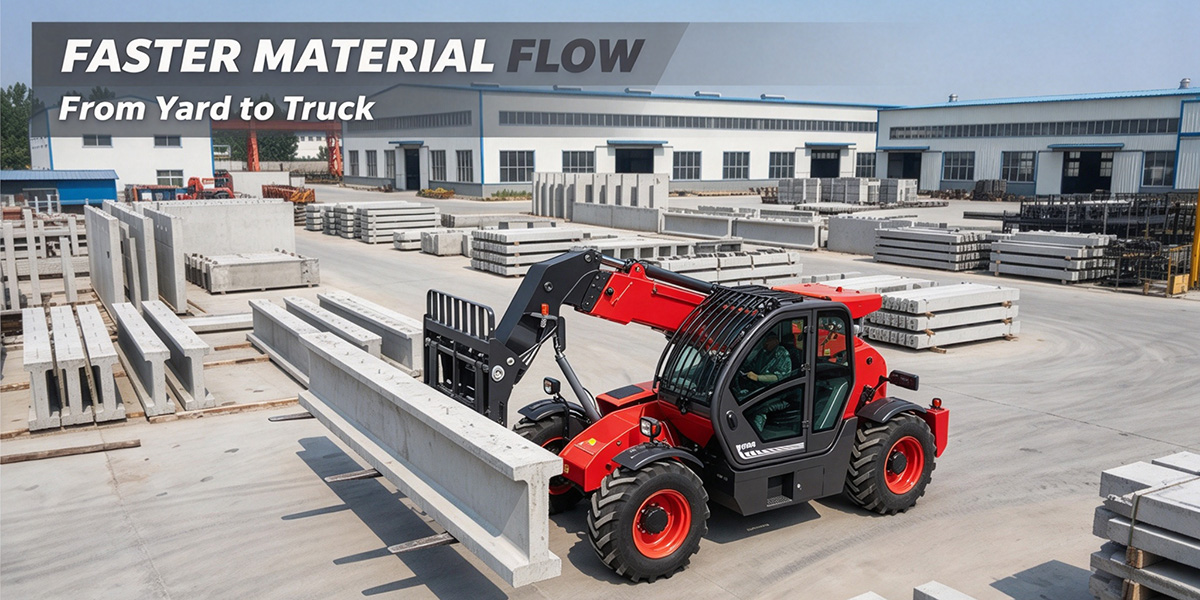
In a precast concrete yard, production, curing, storage, loading and dispatch must work together. Delays in truck unloading or material movement can create congestion, reduce available storage space and slow down customer deliveries. Heavy products also require controlled handling to protect edges, packaging and load stability.
| Material Yard Challenge | Operational Impact | What a Telehandler Can Support |
|---|---|---|
| Slow truck loading and unloading | Long vehicle waiting time and delayed dispatch schedules | Moves approved palletized products and material packs between trucks and storage zones. |
| Uneven outdoor ground | Limited access for conventional warehouse forklifts | 4x4 rough-terrain travel supports gravel yards, compacted soil and temporary site roads. |
| Repeated material handling | More labour, more handling time and higher risk of product damage | Combines unloading, transport, staging and elevated placement in one machine. |
| Limited storage access | Materials may be difficult to reach or organize efficiently | Telescopic reach helps place approved loads higher or farther forward when permitted. |
For concrete block yards, kerb storage areas, outdoor building material markets and precast product dispatch zones, the aim is not simply to lift more weight. The goal is to move the right material, to the right location, with fewer transfers and less waiting.
A telehandler for precast concrete handling can improve the connection between storage, truck loading and daily yard operations. The telescopic boom helps place approved loads beyond the reach of a standard forklift, while the rough-terrain chassis supports travel across outdoor material yards.
| Typical Yard Task | Telehandler Application | Business Benefit |
|---|---|---|
| Inbound truck unloading | Unloads palletized concrete products, packaging materials and approved material packs. | Reduces truck turnaround time and helps keep receiving zones clear. |
| Storage-to-dispatch transport | Moves products from outdoor storage areas to loading bays. | Improves material flow and reduces repeated manual handling. |
| Material staging | Positions products near loading routes, production areas or customer collection zones. | Supports a cleaner, more organized material yard layout. |
| Higher or forward placement | Uses telescopic reach to place approved loads at elevated storage locations or beyond obstacles. | Helps use available yard space more effectively. |
By allowing one machine to unload, transport and position materials, a heavy-duty telehandler can reduce dependence on multiple pieces of equipment. It is particularly useful for outdoor concrete storage yards where ground conditions, space and changing truck schedules require flexible material handling.
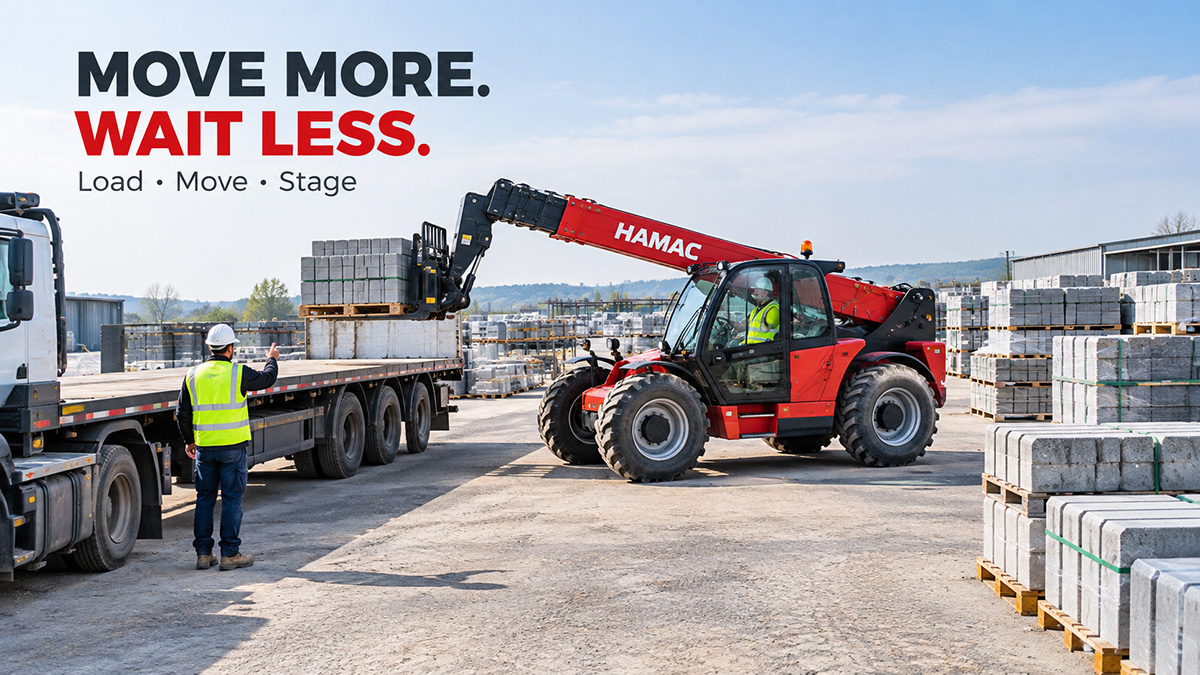
Precast concrete products are heavy, and many have edges, irregular shapes or handling requirements that must be respected. Before lifting any material, confirm the actual weight, dimensions, centre of gravity, supporting method and the handling instructions provided for that product.
Standard pallet forks may be suitable for stable palletized concrete blocks, kerbs or material packs. However, wall panels, beams, columns, pipes, large culverts and other irregular or suspended components may require purpose-designed attachments, an engineered handling plan or dedicated lifting equipment. Do not assume that standard forks are suitable for every precast concrete item.
| Safe Handling Requirement | Why It Matters |
|---|---|
| Confirm total lifted weight | Include the product, pallet, steel stillage, packaging, forks and approved attachment. |
| Check the load centre | Long, wide or irregular products may move the centre of gravity farther from the carriage. |
| Use approved attachments | Correct forks, clamps, lifting beams or other approved attachments help support the load safely. |
| Travel slowly with the load low | Reduces the risk of product movement, impact damage and loss of stability. |
| Keep people outside the work zone | Never allow personnel under elevated, suspended or forward-reach loads. |
| Check ground conditions | Firm ground, safe slopes and clear routes are essential for stable telehandler operation. |
Before every shift, operators should inspect forks or attachments, locking pins, the boom, hydraulic hoses, tyres, steering, brakes, lights, alarms, seat belt and the applicable load chart. Stop operation and report the machine if there is a hydraulic leak, cracked fork, damaged attachment lock, brake or steering issue, abnormal boom movement or an unreadable load chart.
For a detailed pre-shift routine, read the HAMAC telehandler safety checklist and daily inspection guide .
Precast concrete material yards need more than nominal lifting capacity. They need a machine that can travel on uneven ground, maneuver between stored products, reach loading positions and support repeated work throughout the day. HAMAC telehandlers combine telescopic reach with rough-terrain mobility for outdoor construction and industrial material handling.
| HAMAC Capability | Value for Precast Concrete Material Yards |
|---|---|
| Telescopic boom | Helps position approved palletized concrete products and material packs higher or farther forward than a conventional forklift. |
| 4x4 rough-terrain drive | Supports movement on gravel, compacted ground, wet areas and uneven outdoor material-yard surfaces. |
| Off-road tyres and robust chassis | Provides traction and durability for daily work between storage areas, dispatch zones and truck loading points. |
| Four-wheel steering | Helps maneuver in congested yards, between material stacks and around loading lanes. |
| Crab steering on applicable models | Allows diagonal movement to help align the machine along truck sides, storage rows and restricted routes. |
| Compatible approved attachments | Supports the correct handling method for palletized materials and specified material-yard tasks. |
| Load chart and load-management guidance | Helps operators confirm permitted lifting capacity based on height, forward reach, attachment and load centre. |
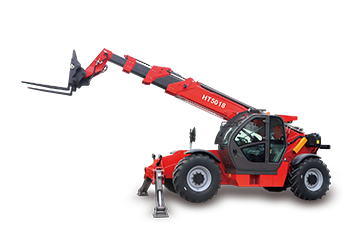
The HAMAC HT3510 telehandler provides 3,500 kg rated capacity, a 10 m maximum lift height, 4x4 rough-terrain drive and four-wheel/crab steering. It is a practical option for medium-sized concrete product yards that need flexible truck loading, material transfer and higher storage placement.
The HAMAC HT5014 telehandler provides 5,000 kg rated capacity, a 14 m maximum lift height, 4x4 drive and four-wheel steering. It is designed for heavier material packs, larger outdoor storage yards and applications requiring higher placement or longer reach.
Depending on the selected model and configuration, HAMAC telehandlers can work with approved attachments for specified tasks. Confirm the final machine specification, attachment compatibility, load chart and local safety requirements before selecting equipment for any precast concrete handling application.
The right telehandler for a precast concrete yard should be selected according to the heaviest approved load, handling frequency, required lift height, forward reach, attachment, storage layout and ground conditions. Do not select a machine based only on the rated capacity shown in the model name.
| Material Yard Requirement | Recommended Direction | Selection Considerations |
|---|---|---|
| Frequent low-level transport and truck loading | Rough-terrain forklift or compact telehandler | Focus on real load weight, turning space, travel distance and outdoor ground conditions. |
| Medium-sized precast yard with 10m placement needs | HT3510 3.5 ton / 10m telehandler | Suitable for approved palletized concrete products, material packs, storage and dispatch tasks. |
| Larger concrete product yard with heavier packs or 14m placement needs | HT5014 5 ton / 14m telehandler | Confirm lift height, forward reach, load centre, attachment weight and ground bearing capacity. |
| Irregular, suspended or large precast components | Engineered handling plan first | Confirm product handling instructions, purpose-designed attachment, applicable load chart and whether dedicated lifting equipment is required. |
A 3.5 ton telehandler does not lift 3,500 kg at every boom height and forward reach. Likewise, a 5 ton telehandler does not lift 5,000 kg at every working position. Always confirm actual load, pallet or stillage weight, attachment weight, load centre, boom height and forward reach against the official load chart for the selected machine.
For an independent overview of how boom extension, height and capacity are related, see JLG's guide to understanding telehandler load capacity charts .
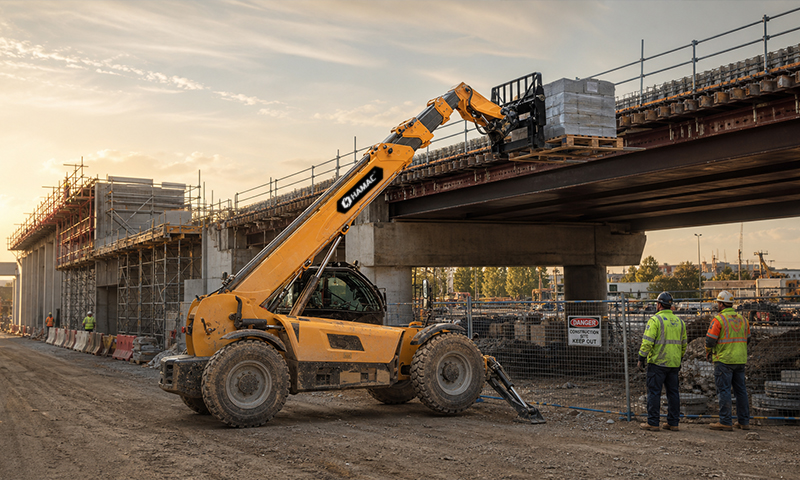
On a metal building project, an HT6018 telehandler is used to handle sandwich wall panels and long ro
Free Consultation >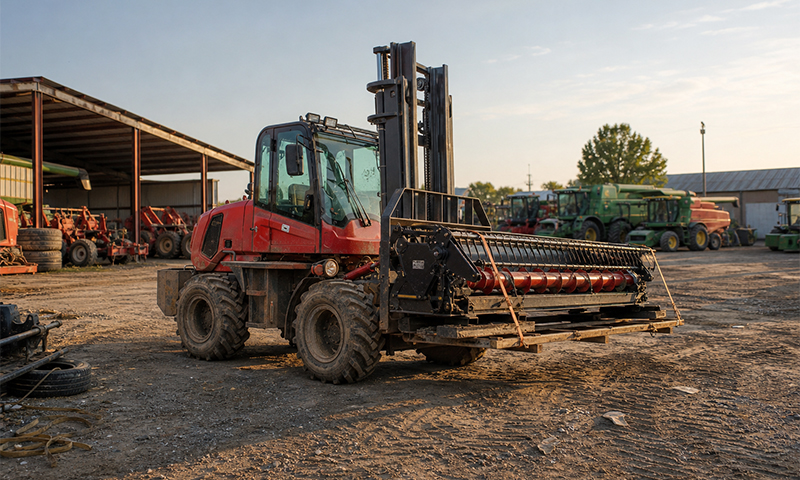
On farms with machinery workshops, a rough terrain forklift is used to move heavy parts, implements a
Free Consultation >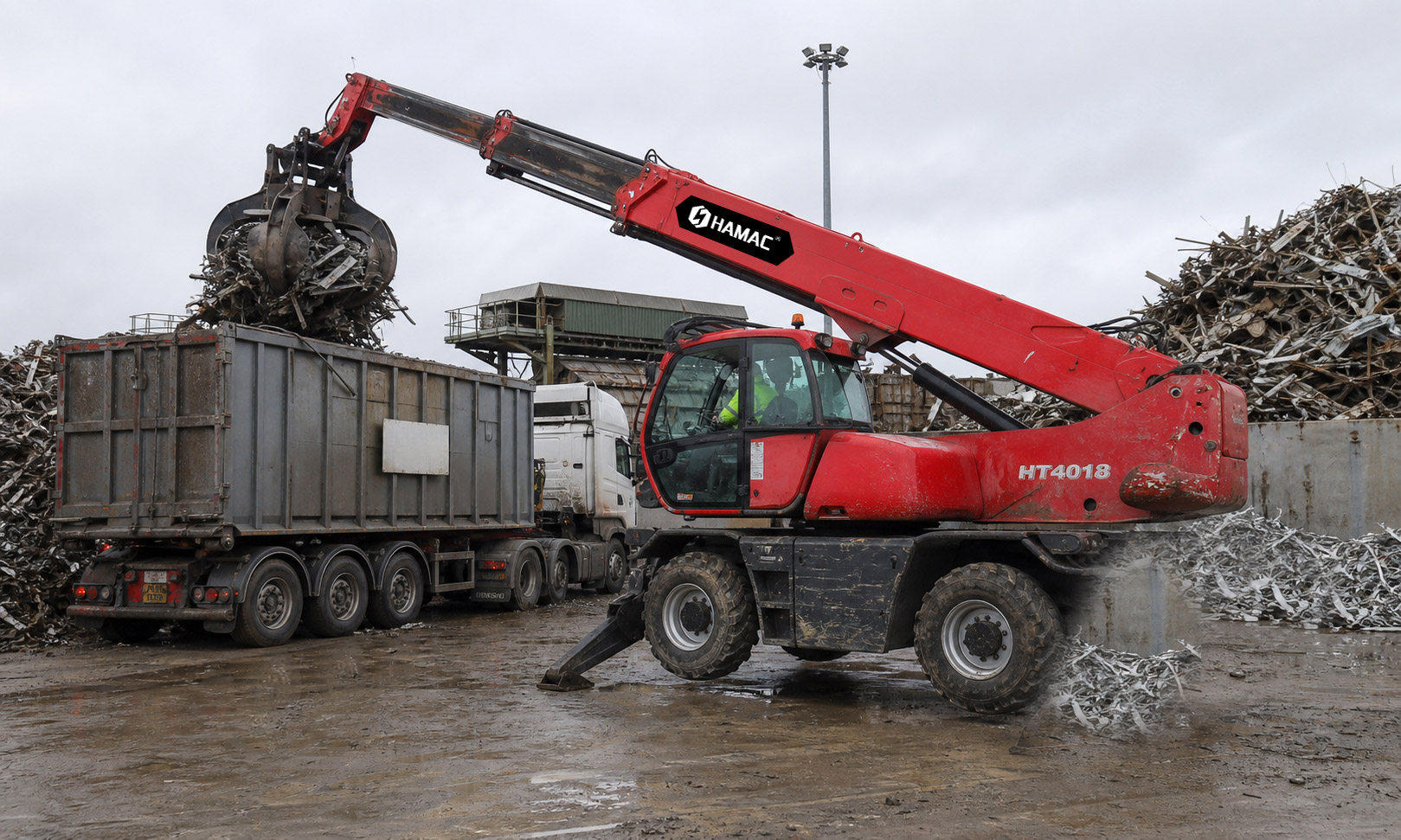
At a construction and demolition waste sorting facility, an HT4010 telehandler and FD40-RT rough terr
Free Consultation >Please fill out the form, and we can satisfy any of your needs including equipment selection, scheme design, technical support, or after-sales service. We will contact you as soon as possible.